Warm summer days in the UK often bring with them the sight of hundreds of winged ants rising from patios, lawns, and cracks in paving stones. It’s something we see every year when dealing with outdoor pest issues, and it can feel overwhelming if you’re not expecting it. When they suddenly appear in large numbers, gathering across garden surfaces and drifting towards your home, it can quickly turn from curiosity into frustration.
If you’ve ever wondered how to get rid of flying ants outside — or why they seem to arrive all at once — you’re not alone. This is one of the most common seasonal pest concerns across the UK, especially during periods of warm, humid weather.
Although they might look alarming, flying ants are part of a completely natural and short-lived event known as a nuptial flight. From experience, most swarms last only a few hours and resolve themselves quickly. The key is understanding what’s happening, knowing when to take action, and putting simple preventative steps in place so the problem doesn’t return year after year.
With the right approach, you can manage flying ants effectively, protect your outdoor spaces, and keep your patio, lawn, and garden areas comfortable throughout the summer months.
Understanding Outdoor Swarms
Flying ants aren’t a separate species — they are the reproductive members of an existing ant colony. These winged ants include males and young queens, and their purpose is to mate and establish new colonies elsewhere.
The trigger for this behaviour is very specific. In the UK, flying ants typically emerge on warm, still, humid days, often following a period of rainfall. These conditions make it easier for them to take flight and improve the chances of successful mating.
From what we regularly see, swarms tend to occur in the late afternoon or early evening when temperatures peak and wind levels drop. Because multiple colonies respond to the same weather conditions, large numbers of ants can take off at once. This synchronised behaviour is why it can appear as though an entire neighbourhood is experiencing an infestation at the same time.
In reality, this is a coordinated natural cycle that plays an important role in maintaining healthy ant populations. While it may look dramatic, it is temporary and usually over within a matter of hours.
Common nesting sites around patios, lawns and flowerbeds
Ant colonies are highly adaptable, but they consistently favour dry, sheltered, and sun-warmed environments. Around homes and gardens, this often leads them to settle in areas that are rarely disturbed.
The most common nesting sites we encounter include:
- Under patio slabs, where sand has loosened or washed away
- Between block paving joints and driveway cracks
- Along the edges of garden paths and borders
- Beneath decking or artificial grass installations
- In dry soil areas within flowerbeds or lawn edges
You may notice small mounds of fine soil, scattered sand between paving slabs, or tiny holes in the ground. These are clear signs of an established nest. During the warmer months, worker ants are constantly expanding these tunnels and maintaining the colony.
When the nuptial flight begins, hundreds of winged ants will emerge from these entrances in a short burst of activity. While the event is brief, it can be quite intense if multiple nests are active at once.
How to spot early signs of a swarm before it starts
In many cases, there are early warning signs before a full swarm takes place. Recognising these signs allows you to act early and reduce disruption around your home.
Common indicators include:
- Increased movement of worker ants around nest entrances
- Winged ants crawling near cracks, paving, or surfaces
- Ants are gathering in larger numbers than usual
- Activity increases during warm, humid periods
In the hours leading up to a swarm, winged ants often appear restless and begin to cluster near exit points. This is the ideal time to prepare — whether that means closing windows, applying deterrents, or identifying where the nest is located.
Immediate Outdoor Actions You Can Take
Although flying ants are not actively trying to enter your home, their movement during swarming can lead them indoors through open access points.
The most effective immediate steps include:
- Closing windows and doors during peak swarm times
- Using mesh screens to allow airflow without insect entry
- Sealing small gaps around door frames and thresholds
- Covering air bricks and vents with temporary fine mesh
From experience, even small openings can allow ants to pass through, so taking a few minutes to secure these areas can significantly reduce the number entering your home.
Cleaning outdoor areas to reduce attraction
While flying ants themselves are short-lived, the worker ants that support the colony are active all year round. They are constantly searching for food sources, and outdoor areas can easily attract them if not maintained.
To reduce attraction, focus on:
- Sweeping patios and removing crumbs or debris regularly
- Washing down outdoor furniture after use
- Keeping bins clean, sealed, and away from doors
- Clearing fallen fruit and organic waste from gardens
- Storing pet food indoors rather than outside
Clean environments are far less appealing for ants looking to establish or expand a colony. Consistent maintenance is one of the simplest and most effective deterrents.
DIY sprays and natural deterrents for garden zones
For those who prefer non-chemical solutions, natural deterrents can be very effective for managing ant activity in key areas.
Common options include:
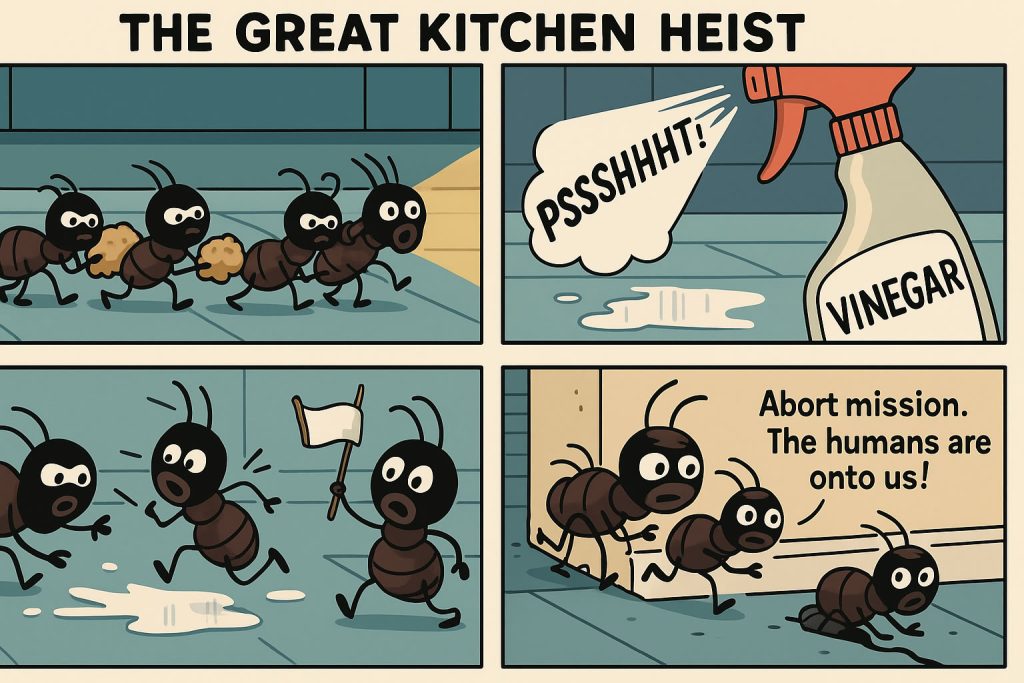
- Vinegar spray – Disrupts scent trails and confuses ants
- Lemon or citrus – Creates a natural acidic barrier
- Peppermint oil – Strong scent repels ants from entry points
- Cinnamon or cayenne pepper – Irritates ants and redirects movement
These solutions won’t eliminate a colony, but they are useful for protecting areas such as patios, doorways, and seating spaces during peak activity.
Dealing with the Nest and Preventing Re-infestations
Once the flying ants have completed their flight, the colony remains active. This is the best time to take action, as the swarm has settled and the ants are focused on rebuilding activity underground.
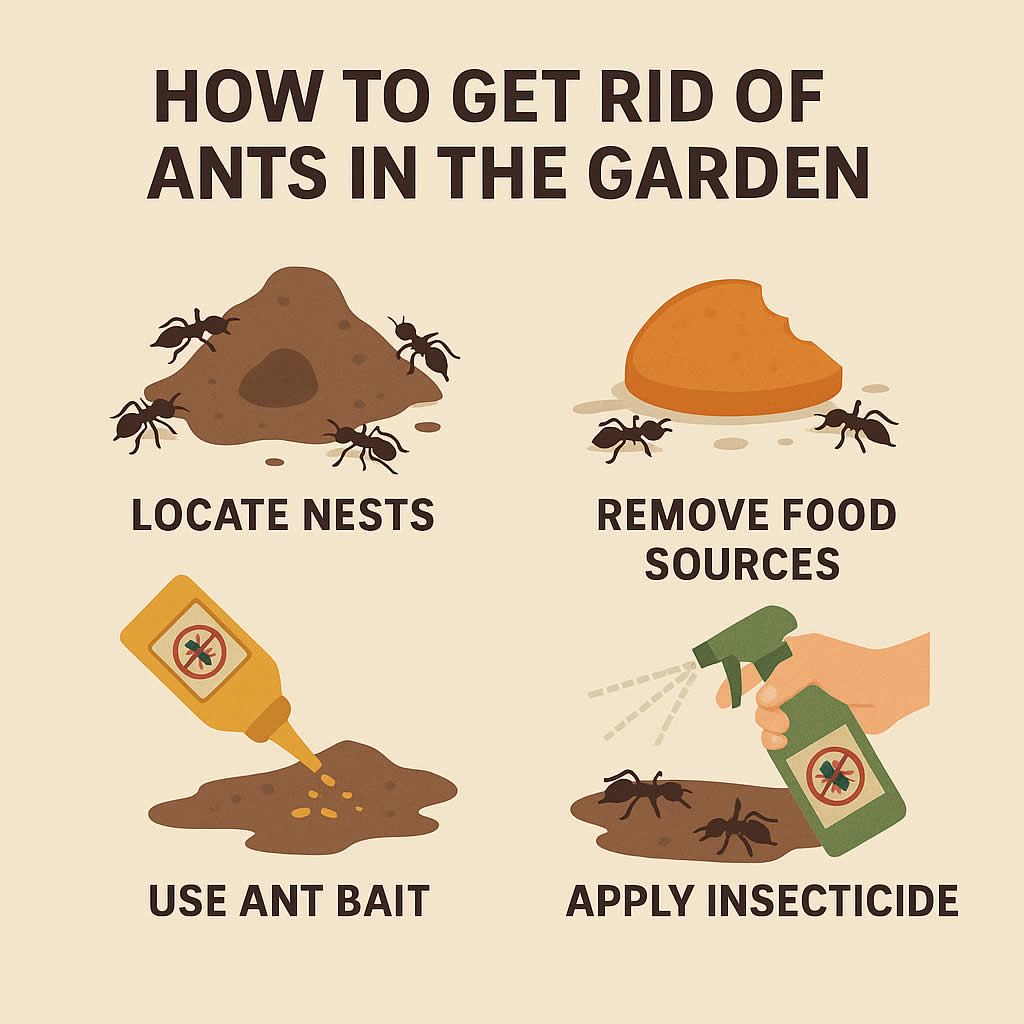
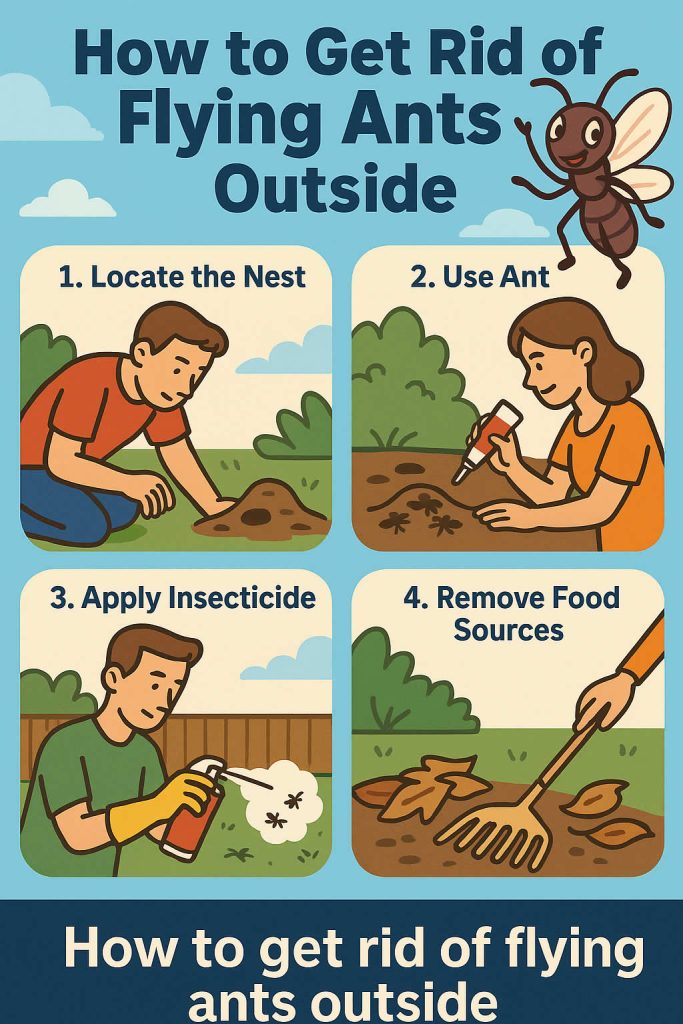
To locate the nest, follow visible ant trails and look for areas of disturbed soil, small holes, or loose paving. Once identified, several treatment options are available:
- Boiling water – A quick, chemical-free method for surface nests
- Ant bait gels or powders – Carried back to the colony to eliminate the queen
- Biological treatments such as nematodes – Safe for soil and surrounding wildlife
In our experience, bait-based treatments tend to provide the most reliable long-term results, as they target the entire colony rather than just surface activity.
When to call a professional for outdoor treatment
In most cases, flying ants are a temporary nuisance rather than a serious infestation. However, there are situations where professional treatment becomes the most effective option.
You may want to consider expert help if:
- Swarms occur in the same location every year
- Nests are located beneath patios, driveways, or structures
- Ant activity is spreading across multiple areas
- DIY methods are not reducing the problem
Professionals have access to specialist treatments and equipment that can reach deeper nesting areas and provide longer-lasting results.
Long-term outdoor prevention
Preventing future swarms involves making your garden less attractive for new colonies to establish.
Practical steps include:
- Re-sanding and sealing patio joints to remove nesting gaps
- Repairing cracks in paving, driveways, and paths
- Removing piles of debris, such as wood or garden waste
- Improving drainage to prevent damp soil conditions
- Monitoring early ant activity each spring
By maintaining these areas regularly, you reduce the chances of new queens selecting your garden as a nesting site.
Myths, Risks and What to Expect Next
The term “Flying Ant Day” is widely used, but it can be misleading. There isn’t just one specific day when all flying ants appear.
Instead, this is a seasonal event that occurs over several weeks. Different colonies emerge at different times depending on local weather conditions such as temperature, humidity, and wind levels.
This is why you may notice multiple swarms throughout the summer rather than a single event.
Are flying ants harmful outdoors?
Flying ants are harmless to humans, pets, and property. They do not bite, sting, or cause structural damage.
In fact, they provide several environmental benefits:
- Aerating soil and improving drainage
- Supporting plant growth by enhancing nutrient distribution
- Acting as a food source for birds and other wildlife
The main issue they present is visual disturbance and inconvenience during swarming periods.
What happens after the flight
After the mating process is complete, male ants die shortly afterwards. Fertilised queens then shed their wings and begin searching for suitable locations to start new colonies.
Most will not survive long-term, but those that do will establish nests in sheltered areas such as soil, paving gaps, or garden edges.
This is why it’s important to monitor areas where activity has occurred, as these can become future nesting points.
Our Final Say
Seeing flying ants outside can feel overwhelming at first, especially when they appear in large numbers across your garden. However, from experience, this is a short-lived and predictable event that can be managed with simple steps.
Focus on the basics:
- Keep outdoor areas clean and free from food sources
- Block entry points to prevent ants from entering your home
- Use natural deterrents to control movement
- Treat nests once swarming has finished
- Maintain your garden to prevent future colonies
By understanding their behaviour and acting early, you can stay in control and avoid repeat issues. Once you know what to expect, flying ants become far less of a problem — and much easier to deal with each summer.