Bed bugs have always been associated with homes, hotels and bedding, but the reality is that these insects travel far more widely than most people realise. One of the most common ways they spread is through public transport. Buses, trains, taxis, trams and ride-share vehicles all carry hundreds of passengers every day, and each passenger brings belongings, clothing and fabrics that bed bugs can cling to. If just one person unintentionally transports a bed bug, the insect can hide in seats, seams or floor coverings until the next person sits down.
You may have never considered the possibility of bed bugs on public transport before, but the truth is that they can move through these environments surprisingly easily. Because you spend time sitting still, often in warm padded seats or near other passengers’ bags, you become a potential target for hitchhikers without even noticing. Identifying the risks and knowing how to protect yourself helps stop bed bugs spreading into your home, saving you anxiety, inconvenience and the expense of treatment later.
Understanding how bed bugs behave on public transport gives you a powerful advantage. When you know what to look for, the chances of bringing an insect home drop dramatically. This guide shows you how bed bugs get onto buses and trains, why they survive long enough to pose a risk, the signs worth watching for, and how to protect yourself every time you travel.
How Bed Bugs End Up on Public Transport
Bed bugs do not climb aboard buses or trains intentionally. They arrive on people’s coats, rucksacks, suitcases, blankets, gym bags and work uniforms. When someone carrying bed bugs sits down, the insects sometimes transfer to the seat surface or slip into the padding. A padded bus seat or fabric train bench provides warmth and shelter, making it a perfect temporary hiding place until the next person sits down.
Public transport becomes a natural transfer point because:
- Hundreds of passengers use the same seat in one day
- Fabric seats warm up continuously
- Bed bugs follow body heat and stay close to areas where people sit still
- Bags are placed on seats, floors and laps, giving insects more opportunities to move
Because bed bugs are master hitchhikers, a single insect can travel kilometres without effort. Once inside a train carriage or bus, it only needs one opportunity to climb onto another fabric surface such as your coat, handbag or clothing.
Why Bed Bugs Survive on Public Transport
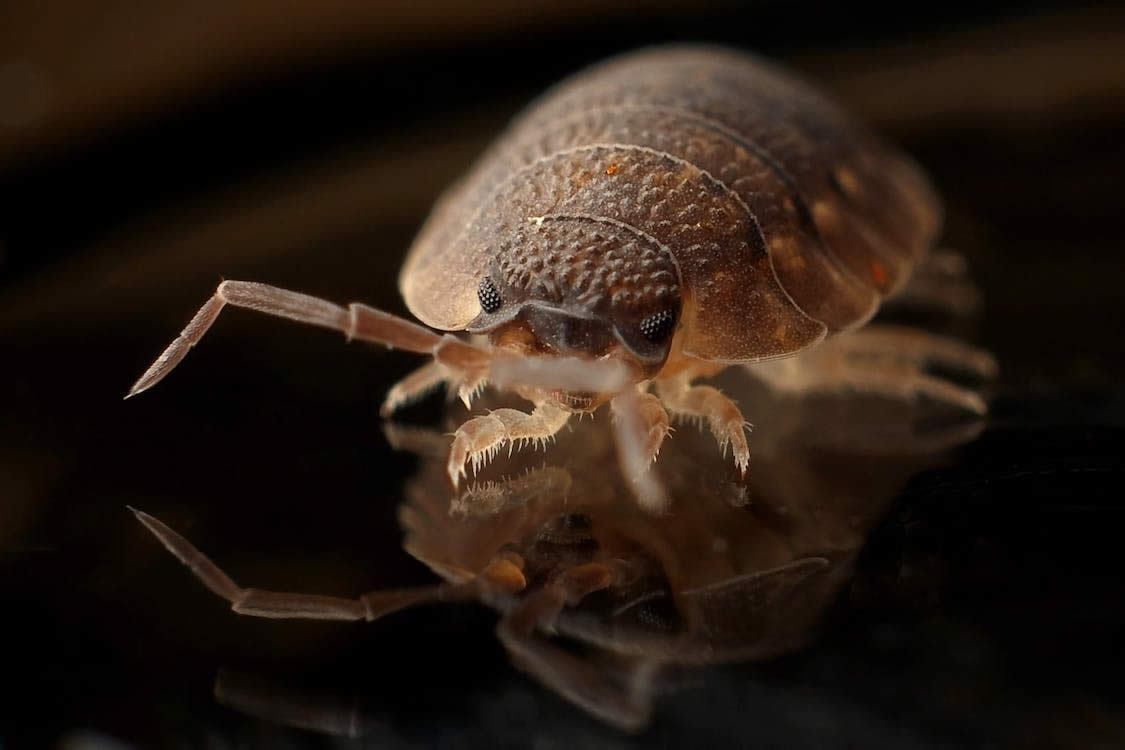
Public transport vehicles are cleaned regularly, but cleaning alone does not eliminate bed bugs completely. Bed bugs survive because they hide inside seams and internal padding where vacuuming cannot always reach. Fabric seats and soft coverings provide hundreds of tiny crevices, and the insects can flatten themselves to hide inside the smallest gaps.
Three survival factors make public transport a long-lasting risk:
- Warmth: Cushioned seats retain heat long after passengers leave
- Shelter: Deep seams and stitching lines offer protection
- Movement opportunities: Passengers constantly get on and off, carrying bags and coats
Even though bed bugs prefer stable environments like mattresses, they can survive in a bus or train long enough to transfer to a new host. That transfer risk is what brings them into homes.
Common Signs of Bed Bugs on Public Transport
You will not always see obvious signs, but some clues suggest a seat or area may have been recently exposed to bed bugs. These signs will not appear on every bus or train, but noticing them helps you avoid problem areas.
Look for:
- Tiny black specks on seat fabric (possible dried droppings)
- Small pale shed skins stuck in seams
- Tiny dark marks where insects have been crushed
- A small moving insect crawling near stitching or seat joints
- Passengers brushing insects from their clothing or belongings
Most of the time, you will spot nothing at all. Bed bugs are great at hiding. But being aware of the subtle indicators helps you avoid seats where insects may be hiding inside the padding.
High-Risk Areas on Public Transport
Certain parts of buses, trains and taxis present a higher risk because they receive the most prolonged contact from passengers.
These include:
- Upholstered seats with deep stitching
- Fabric headrests
- Gaps between seat back and seat cushion
- Fold-down seats on trains
- Seats near luggage racks
- Areas where coats and bags are placed
- Taxi back seats with fabric coverings
Plastic or leather seats reduce the risk because bed bugs struggle to grip smooth surfaces. Fabric seats pose the biggest problem, especially older or heavily used ones.
How to Protect Yourself on Buses, Trains and Taxis
You can significantly reduce the chance of bed bugs hitching a ride home with a few simple habits. Most of them are easy to adopt and quickly become second nature once you understand their value.
- Avoid placing bags directly onto fabric seats. Instead, keep them on your lap, on a plastic seat when available, or hang them on a hook or handle.
- Try to sit on plastic seating wherever possible. Many trains and newer buses offer mixed seating, so choose smooth surfaces when you can.
- If you must sit on a fabric seat, check it briefly before sitting. A quick glance at the seams and stitching can reveal specks or shells.
- Keep coats zipped up or folded inward on your lap rather than draped across fabric benches.
- If standing is an option during short journeys, doing so avoids contact with seats entirely.
- Limit contact between personal items and shared surfaces. For example, avoid resting scarves, jumpers or blankets on seats.
These small habits greatly reduce your risk without needing any specialist equipment or complicated routines.
How to Prevent Bed Bugs Hitching a Ride Home
Once you leave the bus or train, the key is to break the transfer chain as quickly as possible. Bed bugs often cling to the outer fabric of your belongings, and addressing this early stops them reaching your home.
Here is what helps:
- Shake clothing and bags outside before entering your home
- Keep bags away from beds and sofas until inspected
- Change clothes if you travelled on a seat that seemed suspicious
- Launder items that may have come into contact with problem surfaces
- Vacuum bag bottoms, pockets or straps if needed
This is not about treating your entire wardrobe — it is about handling items with awareness. Small, consistent steps make a significant difference.
How to Check Your Belongings After Using Public Transport
Start by isolating the items you used during your journey. Place bags, coats or jumpers on a hard floor rather than on bedding or upholstery. This keeps any insects contained and visible. Shake items outdoors whenever possible to dislodge any hitchhikers before they reach your home environment.
Next, inspect seams, straps and pocket edges. Bed bugs cling to fabric folds and textured areas. Run your fingers along these edges and look for small black dots, pale skins or anything that resembles lint but does not brush away easily. If you see something suspicious, vacuum the area gently and wipe the surface with a damp cloth.
If you want additional peace of mind, use heat safely. Clothes can be placed in the tumble dryer on a warm cycle for 20–30 minutes. Bags can be placed in warm rooms or exposed to sunlight temporarily, which helps discourage insects from staying hidden. These simple steps stop any bed bug that might have hitched a ride from reaching your living space.
Why Bed Bugs Sometimes Spread Through Multiple Transport Routes
When you travel regularly, you may use several transport methods in a single day — bus to station, train to destination, and a taxi to a final stop. Each step on that journey brings different risks.
Bed bugs do not care about the vehicle type. They move onto anything warm and still, so when you switch between different forms of transport, you increase the number of contact points. This does not mean you should be fearful — it simply means awareness is valuable.
If one leg of your journey had exposed seating or visible signs, take extra precautions when arriving home. One quick inspection is often all it takes.
Why Public Transport Infestations Go Unnoticed
Public transport systems move fast. Vehicles operate from early morning to late night, with short cleaning windows between services. Even when deep cleaning occurs, bed bugs inside seams are easy to miss.
Infestations often go unnoticed because:
- Bed bugs hide deep inside padding
- Seat fabrics mask stains or marks
- Insects emerge only when passengers sit still
- Cleaning staff focus on visible debris, not deep seams
This is why awareness matters. Knowing how to spot potential problems helps protect you long before an infestation becomes obvious.
After Travelling: Reducing Risk Inside Your Home
Once you are home, it takes only a few minutes to reduce the chance of bed bugs entering your living space. Avoid placing bags on beds, sofas or carpets until you have shaken them out. Keep travel clothing separate from everyday laundry and wash or heat-dry items if you are unsure.
These simple habits keep your home safe while still allowing you to travel confidently.