Bed bugs on leather furniture can feel especially overwhelming, particularly when you notice marks, bites or unusual smells around your favourite chair or sofa. You may feel uncertain about how to clean the material safely without ruining the leather or spreading the infestation. The good news is that leather can be treated effectively when you take a patient, step-by-step approach.
When you understand how bed bugs behave on smooth surfaces and why they hide in certain seams, you can respond in a calmer and more controlled way. You will feel more confident tackling the problem, and you will know how to protect the rest of your home so you don’t face the same situation again.
Why Bed Bugs on Leather Furniture Are Difficult to Spot
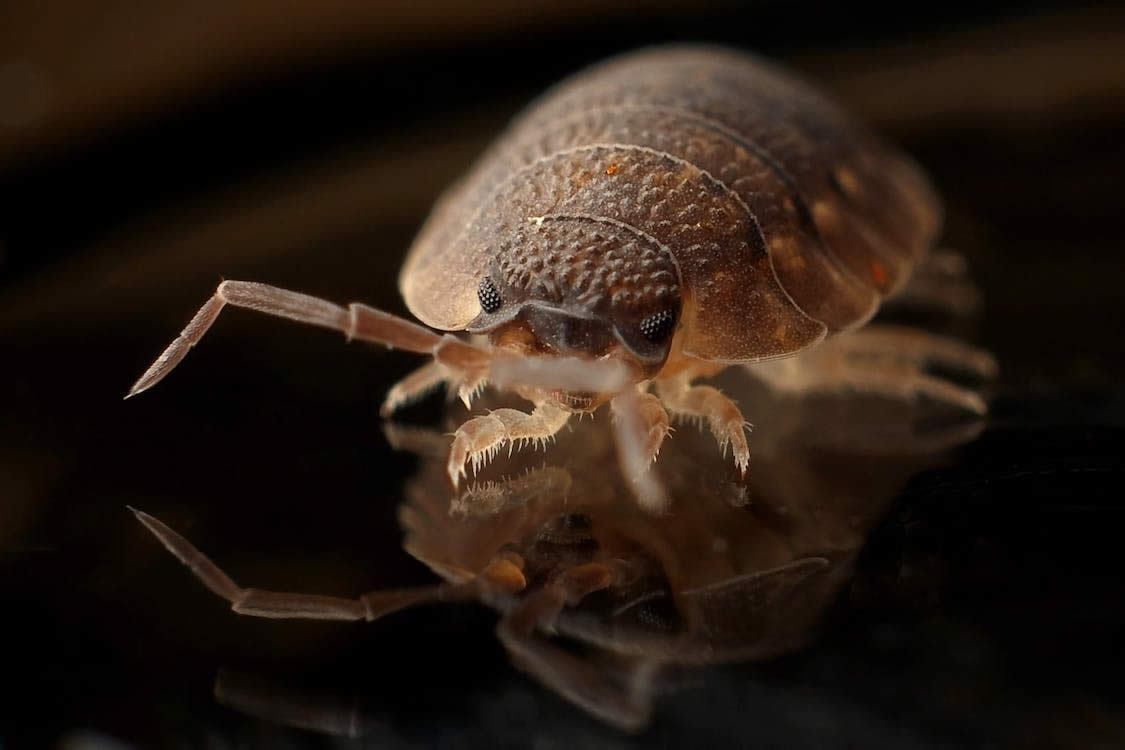
Bed bugs on leather furniture are difficult to spot because the smooth surface prevents easy hiding in the open. Instead, they move deeper into creases, stitching, underside panels and any small gaps between fabric and frame. Bed bugs on leather also behave differently from those on fabric furniture, often pushing themselves into tighter edges to stay near their host while remaining out of sight.
Bed bugs on leather thrive in these small, dark places because they feel protected from light and disturbance. You might only notice faint signs at first, such as tiny dots, shed skins, dried blood spots or a sweet musty smell. You may also spot their activity on adjacent items such as rugs or blankets.
Main Signs Bed Bugs Are Hiding in Leather Furniture
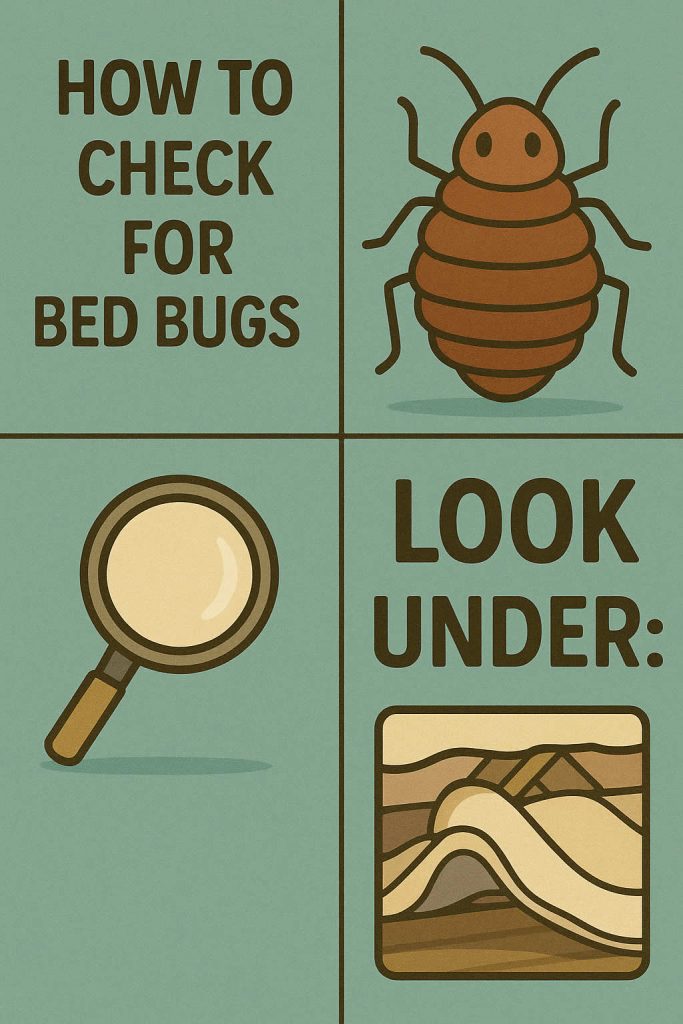
When you check leather furniture carefully, you will usually find subtle clues before you see any insects. You may feel frustrated at first because leather does not show the typical burrowing or harbourage you might see on materials like linen or cotton, but the evidence will still be there.
Before looking for clues, take a moment to breathe and steady yourself. It can be unsettling to examine favourite household items closely, but the process helps you take control of the situation.
- Tiny dark specks around stitching
- Small pale shed skins stuck in seams
- A slight sweet, almond-like odour
- Small blood spots where a bug was crushed
- Eggs tucked deep within folds or cracks
How Bed Bugs Move Across Leather Furniture
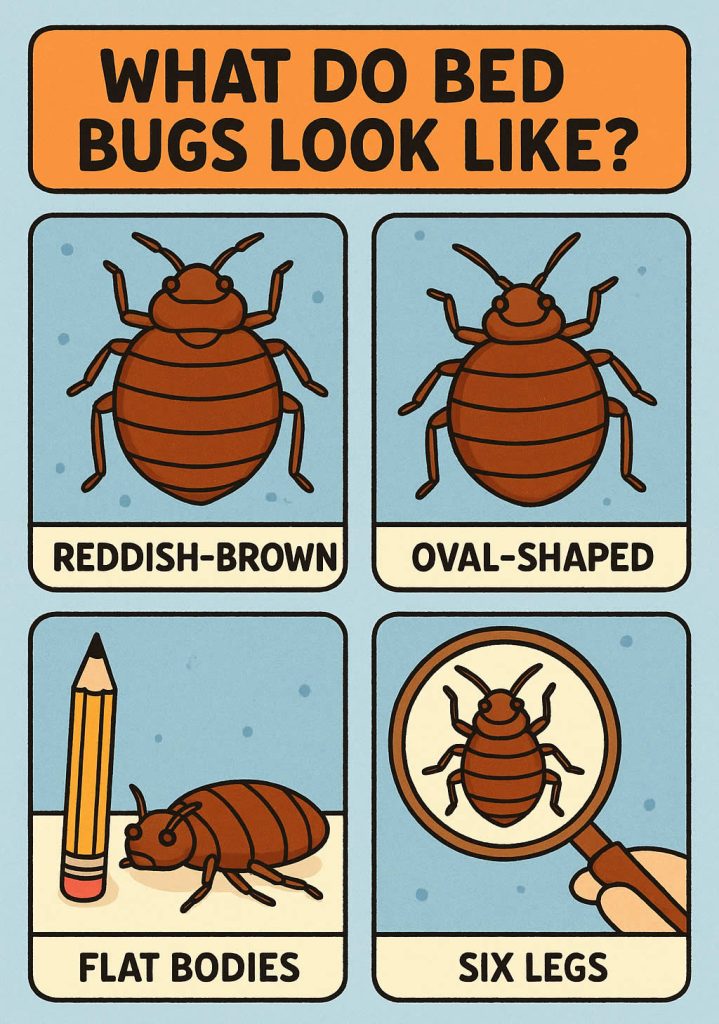
Bed bugs on leather tend to travel across the surface before searching for a gap to hide in. You may think the smoothness would prevent them from climbing, but they can still grip with the tiny claws on their legs. Once they reach a seam or fold, they stop and squeeze inside, creating a sheltered area where they can feed at night and hide during the day.
As they explore, bed bugs may move onto nearby objects such as soft furnishings, carpets or wooden frames. Watching how they travel across different surfaces helps you understand the importance of treating all surrounding items as part of the same problem.
Preparing Leather Furniture for Deep Cleaning
Preparing leather furniture for cleaning involves removing every accessory, cushion and throw so you can reach hidden seams. At this stage, move slowly and avoid shaking items. This stops bed bugs from falling or being flicked into other parts of the room. Place all soft fabrics in sealed bags ready for high‑heat treatment later.
You may find it helpful to position a bright lamp nearby so you can see into the smallest spaces. The more thorough you are now, the easier the treatment becomes.
- Lift and inspect all detachable cushions
- Turn the furniture on its side if safe to do so
- Check underneath the frame for gaps
- Inspect zips, seams, and stitching lines
- Bag all nearby fabrics ready for heat treatment
Safe Ways to Treat Bed Bugs on Leather Without Damaging the Material
Treating bed bugs on leather must be gentle, controlled and methodical. Leather reacts poorly to harsh chemicals, heavy moisture or scrubbing, so you want to rely on methods that disrupt the insects but not the material. Most successful solutions combine heat, vacuuming, and targeted insecticides designed for delicate furnishings.
The first step is always to vacuum the surface carefully using a crevice attachment, keeping the nozzle directly on the seams. This captures adults, nymphs and loose eggs. Move slowly, staying focused on each tiny gap.
Next, use controlled heat. Leather cannot tolerate direct steam, but a professional-grade low‑moisture steamer or a hairdryer on a warm (not hot) setting can encourage bed bugs to come out of hiding. Never overheat leather, as this causes cracking.
If you choose to apply an insecticide, select a water‑based product labelled safe for use on furniture. Test a hidden patch first. Light, controlled application works best.
Why Bed Bugs on Leather Require Repeated Treatment
Bed bugs on leather require repeated treatment because eggs are protected inside the deepest folds. Even if you remove adults, new nymphs may hatch within ten to fourteen days. This is why persistence brings the best results. Returning to inspect the same spots after each treatment cycle helps you catch any remaining activity early.
You may feel discouraged if you see signs after the first attempt, but this is normal. Staying consistent gives you full control over the infestation and dramatically reduces the chances of bed bugs returning.
Heat Treatment Considerations for Leather Furniture
Heat treatments are among the most effective ways to eliminate bed bugs, but leather’s sensitivity means you must apply heat differently. High temperatures can dry the material and damage dyes, so always use indirect heat.
You might decide to hire a professional heat treatment service, especially if the infestation extends beyond a single chair or sofa. Professionals use sensitive monitors and carefully managed heat that penetrates deep into structures without overheating the surface.
If you choose to manage the issue yourself, focus on low‑moisture, warm air directed into seams. Move slowly, never lingering too long on one area, and allow the furniture to cool naturally.
- Use warm air, not hot blasts
- Avoid direct, high‑pressure steam
- Protect the leather with a clean cloth where needed
- Keep the furniture out of direct sunlight during treatment
Cleaning Adjacent Items to Prevent Reinfestation
Treating the leather alone won’t remove the entire problem if bed bugs have already moved to neighbouring objects. Rugs, curtains, blankets and hidden floor cracks need just as much attention. Heat-treating all fabrics is one of the quickest and most reassuring ways to protect your home.
As you work through each room, stay focused on the areas where you spend most of your time. Bed bugs follow body heat and CO₂, so they concentrate around resting places like sofas, recliners and beds.
- Wash nearby fabrics at 60°C
- Vacuum carpets with a crevice tool
- Seal items that cannot be washed
- Clean wooden frames and legs carefully
Preventing Bed Bugs from Returning to Leather Furniture
Preventing bed bugs from returning to leather furniture involves creating an environment where insects cannot settle easily. The more you reduce clutter and remove potential hiding places, the harder it becomes for bed bugs to build themselves a new harbourage.
You may feel more at ease when you treat your leather with a gentle protective conditioning product. This keeps seams flexible and allows you to inspect the material easily in future.
Take time to vacuum regularly, especially in the corners of each room. Use bright light when checking seams and encourage a routine of looking for signs after travel, visitors or new furniture purchases.
- Keep clutter low around seating areas
- Inspect second‑hand furniture before bringing it home
- Vacuum seams weekly
- Apply leather conditioner to keep folds flexible
- Use protective covers when travelling or storing furniture
Handling Severe Infestations on Leather Furniture
Severe infestations on leather can spread rapidly to adjacent rooms, leaving you unsure where to begin. If you see clusters of activity deep inside the furniture frame or find multiple eggs throughout the seams, calling a professional pest control service can be the most reassuring solution.
Professionals use specialist tools and controlled heat systems that reach deep harbourage points without harming delicate materials. They can also inspect the rest of your home for early signs, preventing the problem from expanding.
A professional visit does not mean you failed. Instead, it shows you are committed to resolving the situation quickly and safely.
Restoring Your Home After Treating Bed Bugs on Leather
Once the leather furniture is clean and safe again, you will feel a noticeable sense of relief. The room starts to feel comfortable and welcoming, and you can sit without worrying about hidden insects. Take a moment to appreciate the work you’ve done and the control you’ve regained.
To maintain this peace of mind, keep a simple routine in place. A quick weekly inspection and occasional cleaning help you react long before any problem grows.
Over time, your furniture will remain in excellent condition, and your confidence dealing with household pests will grow naturally.
A Simple Step‑by‑Step Guide for Treating Bed Bugs on Leather Furniture
A simple step‑by‑step guide for treating bed bugs on leather furniture can help you take action calmly and steadily:
- Inspect all seams with a bright light
- Vacuum every gap carefully
- Treat nearby fabrics with high heat
- Apply warm air to seams to draw insects out
- Use safe, water‑based insecticides sparingly
- Repeat the process after ten to fourteen days
- Check adjacent rooms for early signs
Our Final Say!
Removing bed bugs from leather furniture is absolutely achievable when you work gently, thoroughly and with patience. Leather needs careful handling, but bed bugs can still be removed successfully without ruining your belongings. You now understand how to identify their hiding spots, how to apply safe treatment methods, and how to protect your home from reinfestation.
With steady follow‑up checks and consistent cleaning, your home will feel calm and comfortable again — and your leather furniture can stay exactly where it belongs.