Related Queries
ToggleDealing with mice in your loft never feels pleasant. You hear things you can’t see, you imagine what might be going on above your head, and suddenly the loft stops being just another forgotten space. It becomes somewhere you worry about. You want control back, and you want to feel calm in your own home again. That’s why knowing the best ways to get rid of mice in the loft matters. When you understand what’s really happening, why it’s happening, and how you can change it quickly, the whole situation feels less overwhelming and far more manageable.
This guide walks through everything you need to know in a straightforward, practical way. You’ll understand where mice hide, how they move, why they choose your loft, and exactly what you should do to deal with them properly. You’ll also see the small but important steps that make the biggest difference, especially when you want long-lasting results rather than short-term fixes.
Let’s take it one step at a time.
What’s Going On in Your Loft
When mice settle into your loft, it often feels like you’re the last to know. You rarely go up there, so they take advantage of that silence and lack of disturbance. Before you notice much at all, they’ve already made themselves comfortable in your insulation, tucked themselves behind joists, or created small tunnels you won’t see until you investigate properly. By understanding what’s happening up there, you set yourself up for better decisions and faster solutions.
Signs you actually have mice
Spotting the early signs helps you act quickly. Because you’re often listening more than looking, sounds become your first clue. You might hear soft scratching, scurrying, or tiny tapping noises above the ceiling, especially at night when the house quietens down. When you check the loft, you may notice small dark droppings scattered around the insulation or along wooden beams. You might see shredded paper, fabric, or packaging materials mice have dragged in to make a nest.
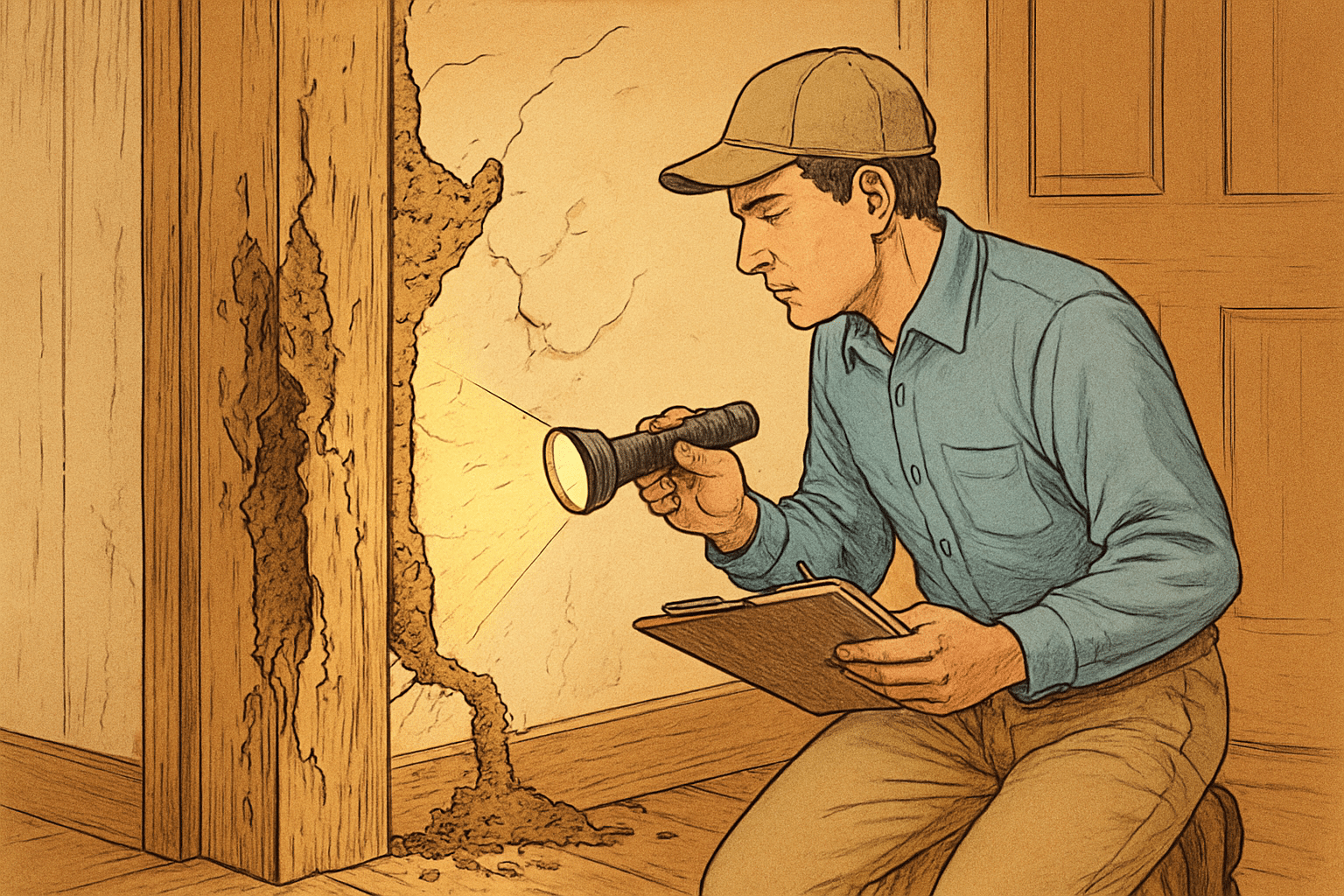
You sometimes notice disturbed insulation, where the surface looks flattened or carved into narrow little channels. You may see gnaw marks on wood or electrical wiring. If the smell is slightly musky or stale in a particular spot, that can also be a sign mice have been active for a while. These clues, taken together, tell you that you’re dealing with a real problem rather than a one-off visitor.
Why lofts attract them more than other rooms
Lofts offer almost everything mice want: warmth, darkness, safety, and quiet. Heat from your home rises into the loft, creating a cosy environment that helps mice survive colder weather. There’s rarely human activity, so mice feel free to explore without interruption. Insulation materials provide soft nesting options, and stored belongings give them shelter, hiding spots, and endless things to chew through.
Because lofts often connect to wall cavities, mice can move around the property easily. They follow wiring, pipes, and structural gaps like roadmaps. Once inside, they treat the loft as a secure base where they can breed and explore lower levels when they feel confident enough.
Why early action matters
Acting early matters because the problem grows faster than most people realise. Mice reproduce quickly, and even a small number can become a much bigger group in a short time. The longer they stay, the more damage they cause. Wiring becomes exposed from gnawing, which increases fire risk. Insulation becomes contaminated with urine and droppings. Stored possessions become shredded for nesting. And because mice follow scent trails, the smell they leave behind keeps drawing them back unless you clean thoroughly later.
When you step in early, you need fewer traps, you prevent major damage, and you save yourself a lot of frustration. Take action as soon as you notice movement, noise, or droppings because that’s when solutions work best.
How Mice Are Getting Into the Loft
Understanding how mice get into your loft gives you control. Once you know the routes they use, you can stop them returning after you clear them out. Most homes have small weak points that mice easily exploit. They’re agile, curious, and surprisingly resourceful.
Likely external access points
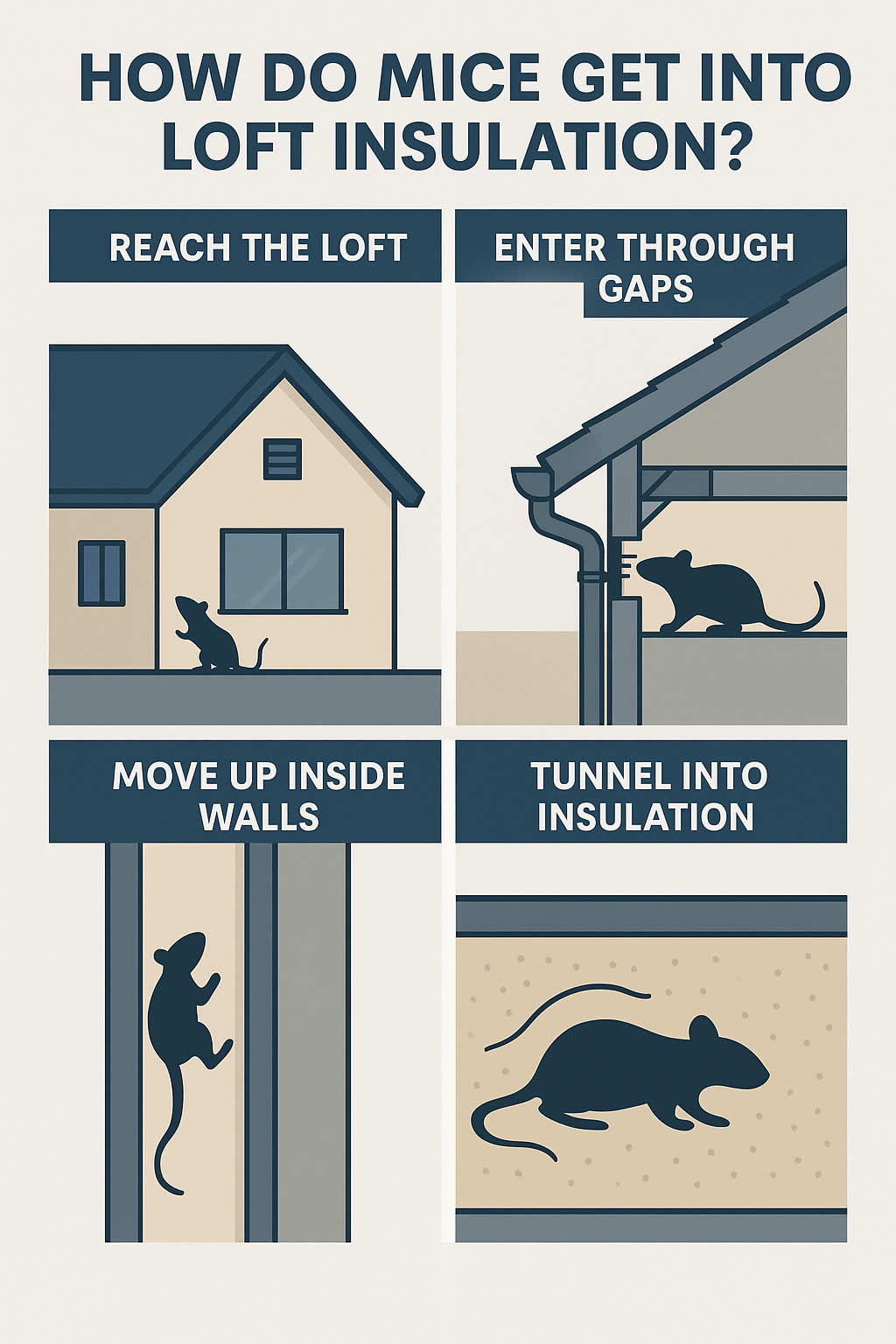
Start by thinking about the outside of your property. Mice often reach the loft through openings most people never notice. They climb walls, drainpipes, and garden structures to reach the roofline. Any broken tiles, lifted flashing, or gaps beneath soffits can give them direct access. Air bricks sometimes become vulnerable if damaged or missing mesh. Even tiny cracks where external pipes meet the house walls allow mice to squeeze through.
They don’t need much space at all. If the tip of your little finger fits, a mouse probably fits too. That’s why it’s common for people to feel confused when they learn how the mice got in. What looks insignificant to you looks like an open doorway to them.
Internal routes from lower floors
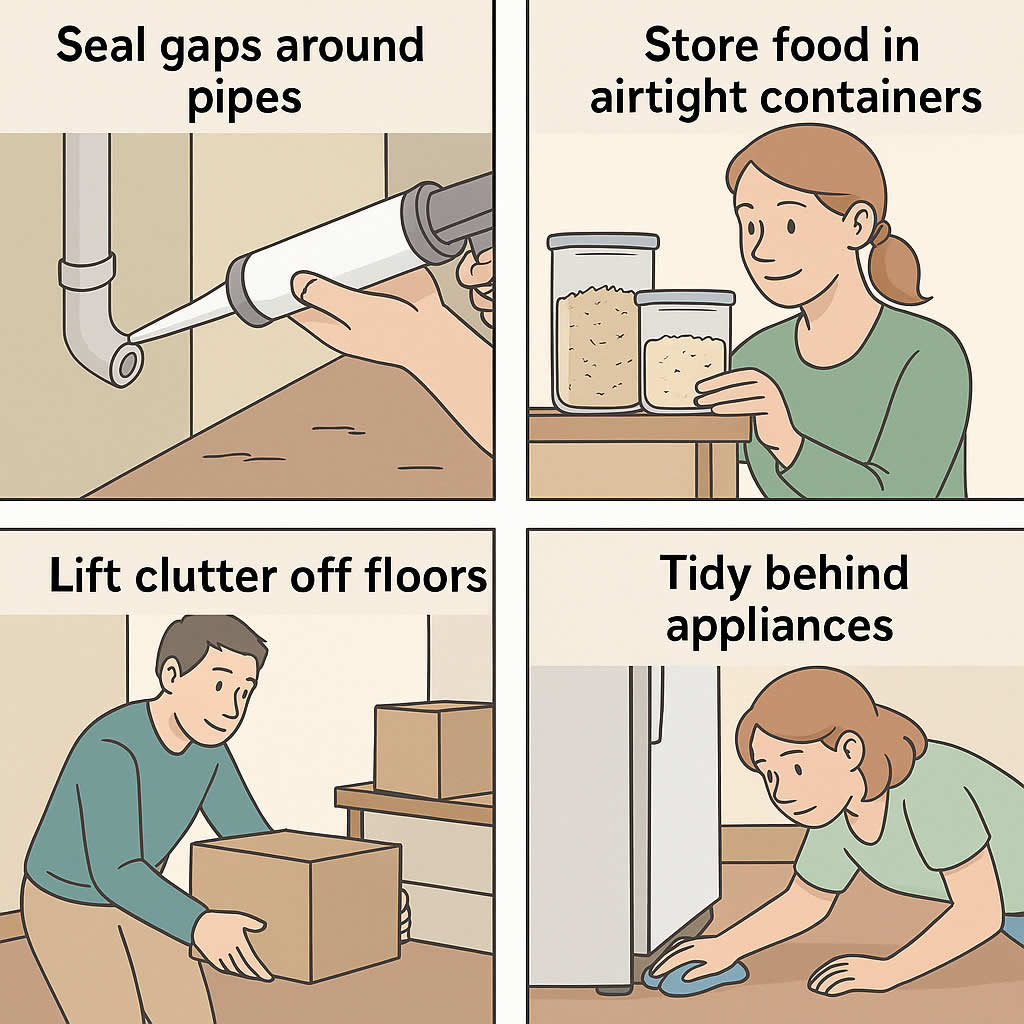
Mice also enter through routes inside the house. They may come through gaps around pipework in kitchens, bathrooms, or utility rooms, then climb up through the wall cavity into the loft. They sometimes travel along electrical cables, through boxed-in pipework, or behind plasterboard where you can’t see them.
Because they’re light and quiet, they move through these hidden spaces easily. If you’ve ever wondered how a mouse reached the top floor when you’ve never seen one downstairs, this is usually the reason.
How to pinpoint hot spots
When you check the loft, look for areas where droppings cluster or where insulation looks carved out. These become your hot spots. Mice like to travel along edges, beams, and walls, so pay close attention there. Look at points where pipes or cables enter the loft, and check corners where stored items sit untouched. If you see repeated patterns, such as footprints or flattened pathways, you’ve probably found the main routes.
These hot spots help you place traps effectively later on.
Prepare the Loft Before You Start
Before you start using traps, you need the loft set up so everything works smoothly. That means giving yourself space to move, reducing things that distract mice, and making the area safer for you.
Clear access and create safe working space
Lofts can be awkward to move around. Before placing anything, make sure you can walk or kneel safely without stepping through insulation or losing balance. Move boxes aside if they block movement. Create a small working zone where you can place traps, store supplies, and check results without constantly shifting things around.
A tidy loft helps you spot new droppings or fresh disturbances later, making it easier to track progress.
Reduce food sources and remove distractions
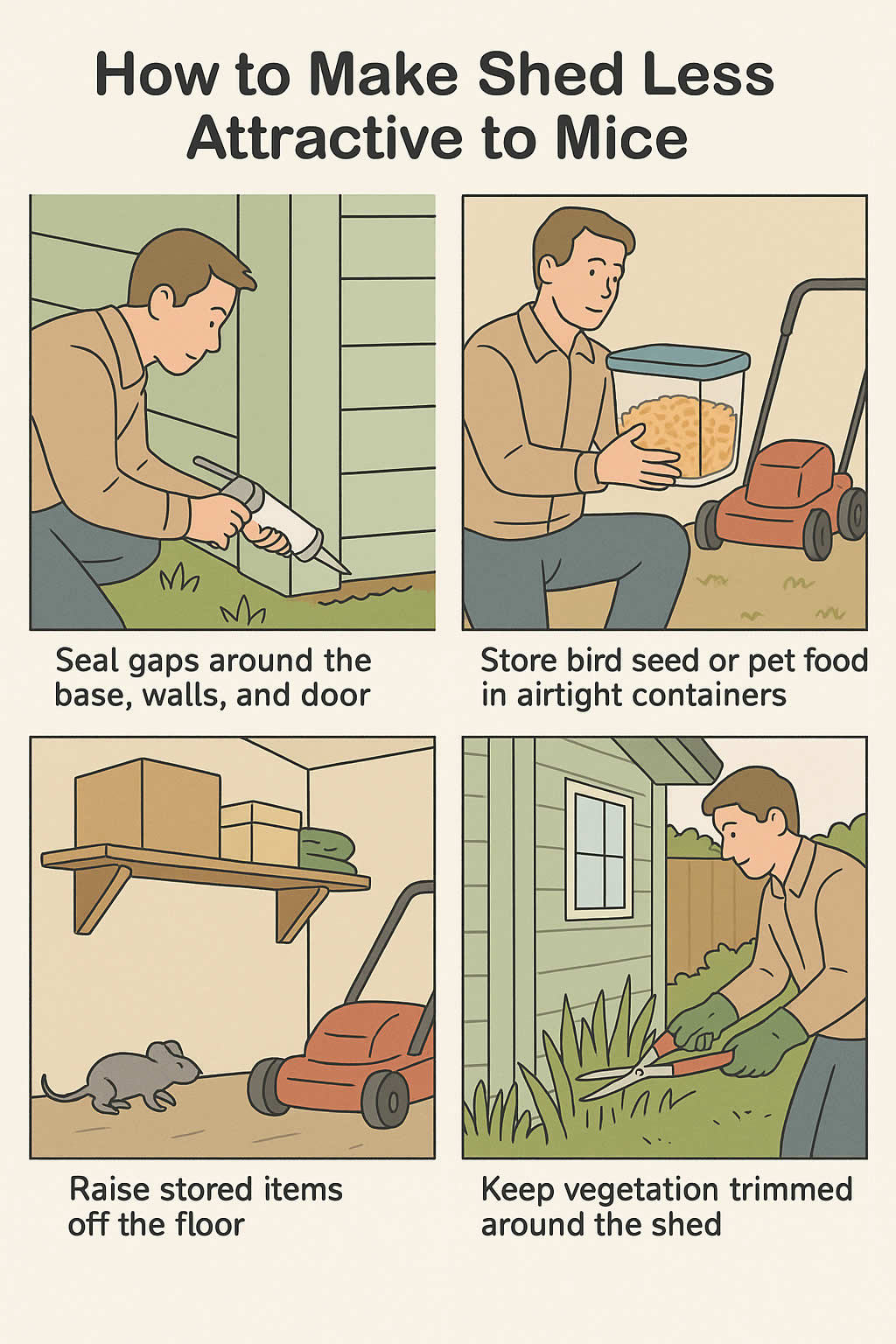
Even in a loft, mice find things to eat. Bits of bird food stored in bags, old cereal boxes, clothes, fabric, or cardboard all attract them. If something smells like food or can be chewed, mice will investigate. You want your traps to be the most appealing option, so remove anything that competes with your bait.
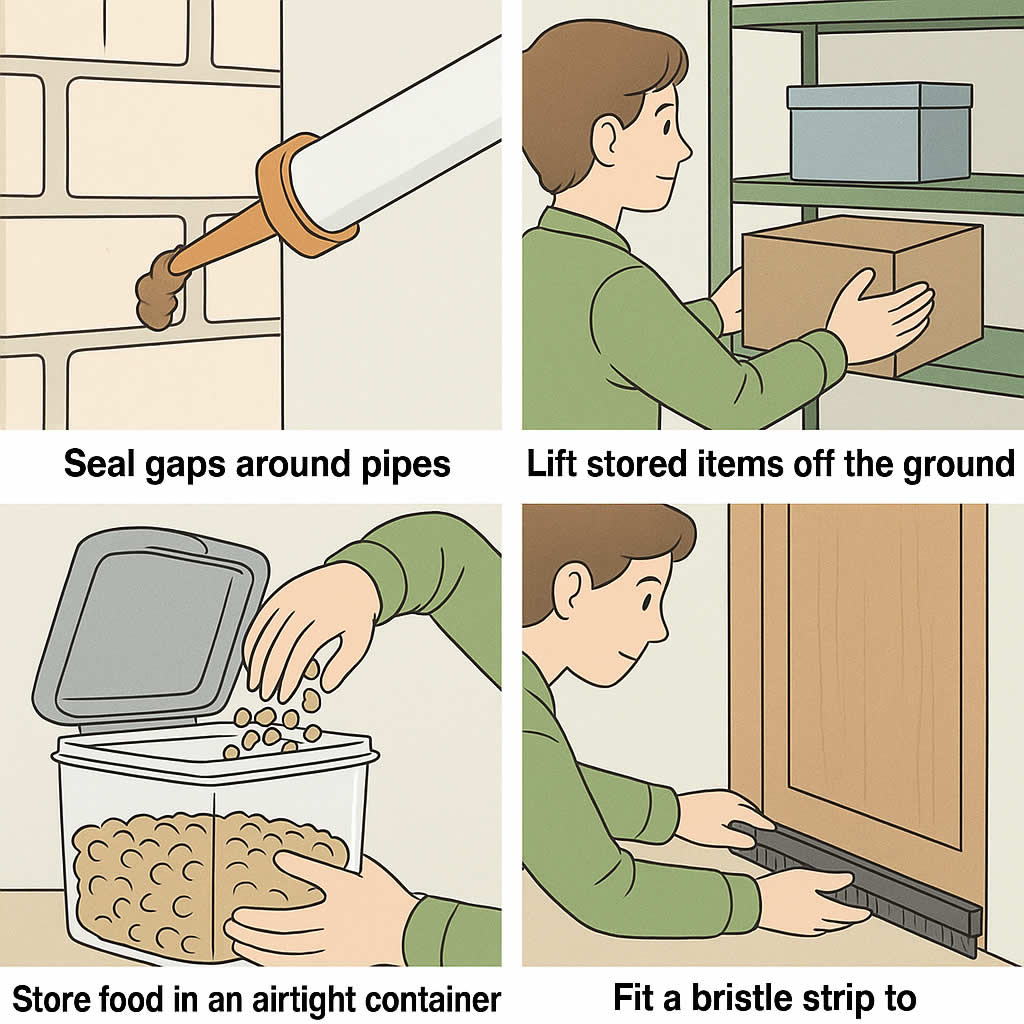
Put stored items in sealed plastic containers. Remove open bags or loose debris. When there’s nothing else to explore, mice focus on the traps much more quickly.
Protect yourself and set up lighting
Wear gloves and a mask before you start cleaning or placing traps. Droppings and dried urine carry bacteria, so take simple precautions. A head torch helps keep your hands free, and portable LED lanterns brighten dark corners so you can work more confidently. Good lighting also helps you see signs of movement you might otherwise miss.
The Best Ways to Get Rid of Mice in the Loft
Now that you understand what’s going on and have prepared the area, you’re ready to deal with the mice properly. Different traps suit different people, but the principles stay the same: choose the right method, place it well, and monitor it consistently.
Snap traps: fast, effective, reliable
Snap traps remain one of the quickest, most effective ways to deal with mice. They’re simple, they work consistently, and they give clear results. Modern snap traps have improved sensitivity and stronger mechanisms, which make them more reliable than older wooden versions. Place them along mouse runways, with the bait facing the wall so the mouse approaches naturally.
The best baits are strong-smelling and sticky: peanut butter, hazelnut spread, soft chocolate, or similar foods mice recognise easily. Use a tiny amount so they can’t steal it without triggering the trap.
Humane traps: live-capture considerations
Humane traps allow you to catch mice without harming them. They walk in for the bait, the door closes gently, and you release them outdoors. If you choose this method, check the traps often, ideally twice a day. Release mice at least a mile from your home so they don’t return. Humane traps work well when you’re patient, consistent, and willing to check regularly.
Electronic traps: clean and consistent
Electronic traps offer a controlled, quick, humane solution. They kill the mouse instantly with an electric charge. There’s no mess, and many models have lights that tell you when they’ve been activated. These traps are excellent in lofts because they sit neatly in corners and reduce cleanup work. You still need to place them carefully along active routes, but they require less maintenance overall.
Bait stations: safe handling and limitations
Bait stations help when you need long-term control, especially in larger lofts. The enclosed design keeps the bait secure so pets and children can’t reach it. You must follow safety guidance carefully, as rodenticide products require responsible use. Many homeowners find bait stations useful alongside traps, but traps usually give faster results and clearer feedback.
Place and Monitor Traps Effectively
Setting traps isn’t just about choosing the right kind. Placement and monitoring make the difference between quick success and slow progress.
Where traps actually work in a loft
Traps work best where mice already travel. Along walls, behind stored boxes, next to insulation channels, and near pipe entry points. Don’t put traps in open spaces; mice tend to stay close to edges for safety. If you’ve identified hot spots earlier, place traps there first.
How many traps you need
Using one trap rarely works well. Mice explore cautiously, and you want multiple opportunities to intercept them. Use several traps in the same area, spaced about half a metre apart. A cluster of traps increases your chances dramatically, especially if activity seems heavy.
Checking, rebaiting, adjusting positioning
Check your traps daily. Refresh bait if it dries, move traps slightly if you see new droppings elsewhere, and note where activity changes. Mice adapt quickly, so adjusting your placements helps you stay ahead. Being consistent brings the results you want.
Seal the Loft (But Only After Control)
You only start sealing gaps once you’re confident the mice are gone. If you block holes too early, mice become trapped in the house and start appearing in new places.
When to start proofing
Start proofing when you’ve had several days with no fresh droppings, no noises, and no signs of disturbance. This shows your traps have worked and that new mice aren’t arriving.
How to seal gaps without blocking ventilation
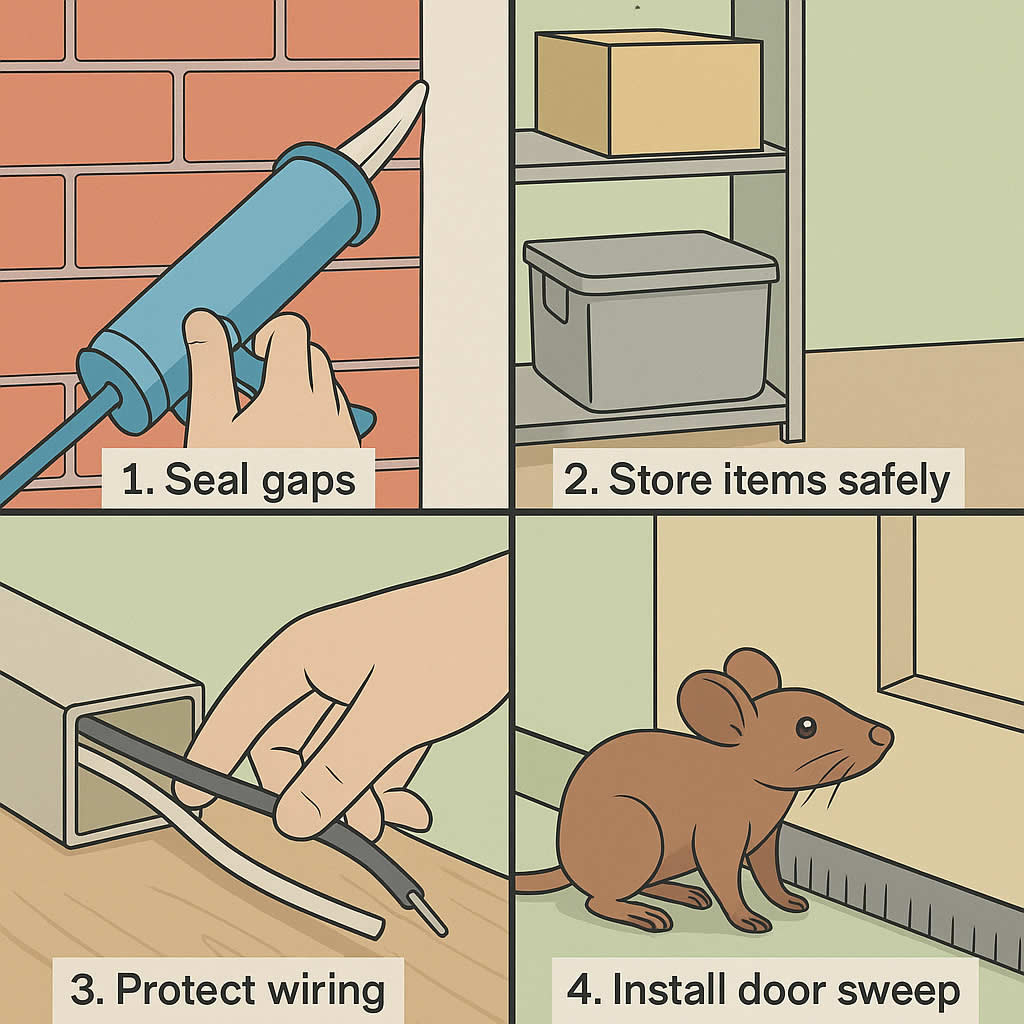
Use materials mice can’t chew easily: wire wool combined with sealant, metal mesh, proper exterior fillers, or aluminium plates. Keep airflow in mind, especially around roofline ventilation. Never block vents completely. Instead, cover them with fine mesh so air moves freely while mice stay out.
Protecting both the interior and exterior routes
Pay attention to both sides of the loft. Seal internal gaps where pipes or cables enter, and also check outside the house for cracks or holes. When you close routes from both directions, you prevent mice from re-establishing themselves.
Clean, Restore and Prevent Recurrence
Once the mice are gone, you clean the space so it stays that way. Removing scent trails, droppings, and contaminated insulation matters because these things attract new mice.
Safe cleanup of droppings and contaminated insulation
Wear gloves and a mask. Lightly spray droppings with disinfectant before removing them, so they don’t become airborne. If insulation is heavily soiled, replace the affected sections. Bag everything securely and dispose of it properly. Wipe beams, boards, and hard surfaces with disinfectant to remove residue.
Removing odours so mice don’t return
Mice leave pheromones in their urine, which act like signposts for other mice. Clean surfaces well, and let the loft air out when possible. This reduces lingering smells and prevents future interest.
Habits that stop future mouse activity
A few small habits make a big difference:
- Store items in sealed, chew-proof containers
- Keep bird food, pet food, and dry goods in secure tubs
- Check rooflines and external walls every season
- Listen for unusual sounds before problems grow
- Keep your home tidy, reducing easy hiding places
When you maintain these habits, your loft stays quiet, clean, and mouse-free.