Related Queries
ToggleIt’s easy to brush off an insect bite until the itching starts or a red bump flares up. But when it comes to ant bites, not all are created equal. Some sting. Some itch. Some swell. And depending on the ant species that bit you, the mark it leaves behind might look very different. So if you’ve just been nipped and you’re wondering, “what does an ant bite look like?” — we’ve got you covered.
Let’s walk through the types of ant bites you’re most likely to encounter, what they look like, how they feel, and when you might need to treat or monitor them more closely.
The Basics: Is It a Bite or a Sting?
First things first — not every mark from an ant is technically a bite. Some ants bite with their jaws (mandibles), others sting with a small stinger in their abdomen, and some do both. In the UK, most species rely on biting as a defensive mechanism, but a few tropical or imported species might sting too.
Generally speaking:
- Ant bites = pinch with the jaws, may cause redness or mild swelling.
- Ant stings = inject venom, often causing a burning or itchy sensation and more obvious welts or pustules.
Identifying what kind of reaction you’re having helps narrow down which species may be involved — and how best to treat the spot. If you’re unsure whether it was a bite or a sting, focus on how fast the reaction occurred, how much discomfort you’re feeling, and whether the area continues to swell or blister over time.
Common Reactions: What Ant Bites Typically Look Like
For most people, an ant bite causes a small, localised reaction. Here’s what to expect:
- Red bump – Slightly raised, similar to a mosquito bite, often fades within a few hours or days.
- Mild swelling – Surrounding tissue may puff up slightly, especially if scratched.
- Itching or irritation – A light tickling or stinging feeling is common, especially in sensitive skin areas.
- Occasional whitehead or blister – Some bites develop a small fluid-filled bump, especially from more aggressive ant species or when scratched.
The location of the bite can also affect the reaction. Bites on the neck, hands, ankles, or soft skin may feel more intense than on thicker or less sensitive areas. People with more reactive skin or mild allergies may notice a stronger itch or prolonged redness, especially if multiple bites occur.
UK Ant Species and Their Bites
Most ants you’ll encounter in the UK are harmless, but that doesn’t mean their bites go unnoticed. Here are the common culprits:
1. Black garden ant (Lasius niger)
These are the most common ants in UK gardens and occasionally indoors. They don’t sting, but can nip if provoked. Bites may leave a small red bump but are rarely painful. Any irritation is usually short-lived. Children playing on patios or barefoot gardeners might notice these the most.
2. Red ant (Myrmica rubra)
These ants bite and sting, often at the same time. Bites from red ants can feel more painful and might develop into raised, itchy lumps. You might also feel a sharp burn for a few minutes. Reactions vary, but redness, swelling, and itching can last a day or two. Some people may find the itching intense enough to cause sleep disturbance or visible scratching damage.
3. Wood ants (Formica rufa)
These large ants can bite and spray formic acid into the wound, which may cause a stinging or burning sensation. Redness and swelling are common, but more from irritation than venom. Bites usually occur when the nest is disturbed, such as during outdoor work or if the colony is near footpaths.
4. Imported species (e.g. Pharaoh ants)
Some indoor infestations involve tropical ants. While these ants rarely bite humans, if they do, the marks are usually very small and painless unless the person is allergic or scratches repeatedly. The bigger concern with these ants is their presence in kitchens or hospitals due to bacteria transmission.
What Do Fire Ant Bites Look Like?
Although fire ants aren’t native to the UK, they’ve been spotted in parts of Europe and could potentially spread. Fire ant stings are much more severe than bites from UK natives.
Here’s what they typically look like:
- Burning sensation followed by an intense red bump.
- White pustule that forms within 24 hours.
- Itching and swelling that can persist for several days.
Multiple stings can occur at once, as fire ants are aggressive and tend to attack in groups. People walking through grass or near disturbed mounds often get stung multiple times in a cluster. Due to their venom, fire ants are more likely to trigger allergic reactions, even in people who normally tolerate insect bites well.
Could It Be Something Else?
Not every red bump is caused by ants. Insects like fleas, mites, or bedbugs also bite, and the marks can look similar. Here’s how to tell the difference:
- Flea bites – Often clustered around ankles or lower legs, usually very itchy.
- Bedbug bites – Often appear in straight lines or small clusters, typically on exposed skin overnight.
- Midge/mosquito bites – Puffy, itchy welts that appear quickly and fade within a few hours or a day.
If you didn’t see the insect bite you, try to remember where you were sitting, walking, or resting. That can offer useful clues, especially if you were near patio slabs, grass, or a compost heap. Checking clothes and bedding may also help rule out non-ant causes.
How to Treat Ant Bites at Home
Most ant bites don’t need medical treatment. You can usually manage symptoms at home:
- Wash the area with soap and warm water to reduce bacteria and soothe the skin.
- Apply a cold compress to reduce swelling and calm the itch.
- Use anti-itch creams like hydrocortisone or calamine lotion.
- Avoid scratching — this is key to preventing infection and scarring.
Some people find relief from natural remedies like aloe vera, tea tree oil, or witch hazel. Always test a small area first, especially if you have sensitive skin. Over-the-counter antihistamines like loratadine can also reduce itching in more reactive individuals.
When to See a Doctor
In rare cases, an ant bite or sting can trigger a more serious allergic reaction, especially if the person has a known insect venom allergy. Seek medical attention if you experience:
- Difficulty breathing or swallowing
- Swelling of the face, lips, or tongue
- Dizziness, nausea, or rapid heartbeat
- A rash or hives spreading across the body
It’s also worth seeing a doctor if the bite shows signs of infection (pus, spreading redness, or intense pain) or if symptoms haven’t improved after a few days. A GP may prescribe antibiotics or stronger topical creams if needed.
How to Prevent Ant Bites in the First Place
The best way to avoid ant bites is to reduce your contact with them in and around your home. Here’s what you can do:
- Wear shoes and socks when walking in the garden or near paving slabs.
- Don’t sit or lie directly on lawns or bare ground during warm months.
- Keep sugary food and drink sealed indoors and clean up spills quickly.
- Control ant nests in high-traffic garden areas using bait or targeted treatment.
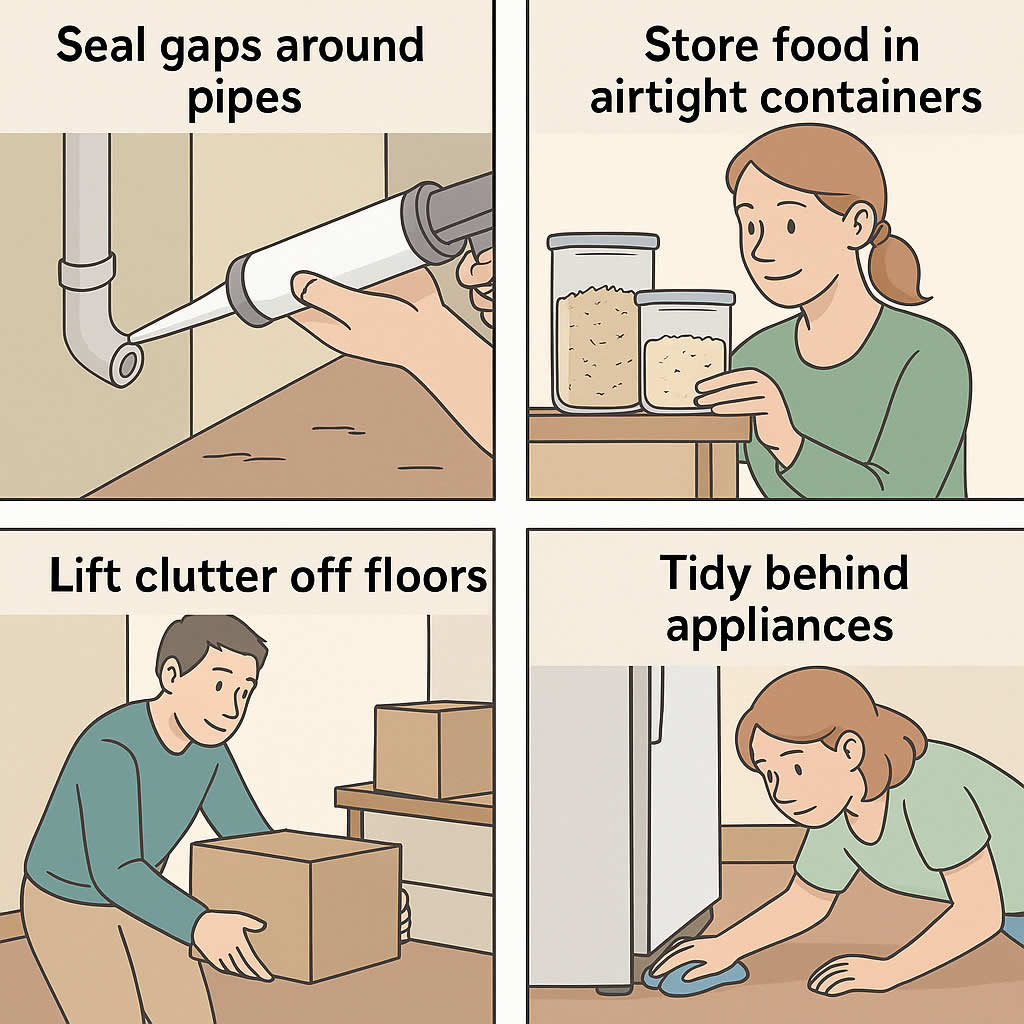
- Seal up entry points to your home — check skirting boards, pipes, and window frames.
If you’re regularly seeing ants indoors, it could be time to clear ants from the garden or understand where flying ants come from so you’re better prepared during swarming season. You may also want to consider how colours attract ants in areas where bites seem more common.
Final Thoughts
Ant bites might be small, but they’re hard to ignore — especially if you’ve walked barefoot over a nest or leaned on a wall swarming with activity. Most are harmless, but knowing what to look for can help you decide whether it’s something to treat at home or keep an eye on.
By recognising the signs early, using safe and simple remedies, and keeping your home and garden less ant-friendly, you can avoid future bites — and avoid scratching at that mystery bump again. If you’re seeing signs of nests indoors or near common seating areas, it might be time for a more thorough pest inspection. Don’t let a minor bite turn into a major irritation.