Red ants can turn a peaceful lawn or patio into a busy, stinging network of trails. They build crumbly mounds in grass, push soil through paving cracks, and defend the nest with fast, coordinated movements. If you’ve found them in your garden or even spotting them in the house, you’ll want a clear plan that actually works. This guide gives you exactly that — a practical, safe, step‑by‑step approach grounded in how red ants live and why standard quick fixes fail.
You’ll learn how their colonies operate, what attracts them, and how to cut the problem at its source. We’ll use plain, everyday language and short, easy paragraphs so you can skim or follow line by line. We’ll also borrow useful bits from earlier posts in this chat — queen egg‑laying, colony growth, ant weight and strength, and natural predators — because those details explain why some methods work and others don’t.
Most UK “red ants” you’ll meet belong to the Myrmica group. They can bite and sting. They’re not the same as tropical fire ants, but they can still be uncomfortable to disturb. Their nests sit in lawns, borders, under stones and slabs, and along sunny edges. With warmth and steady food, numbers rise fast. That’s why a plan focused on the colony — not just the few workers you see — makes the difference.
How To Get Rid of Red Ants (Start Here)
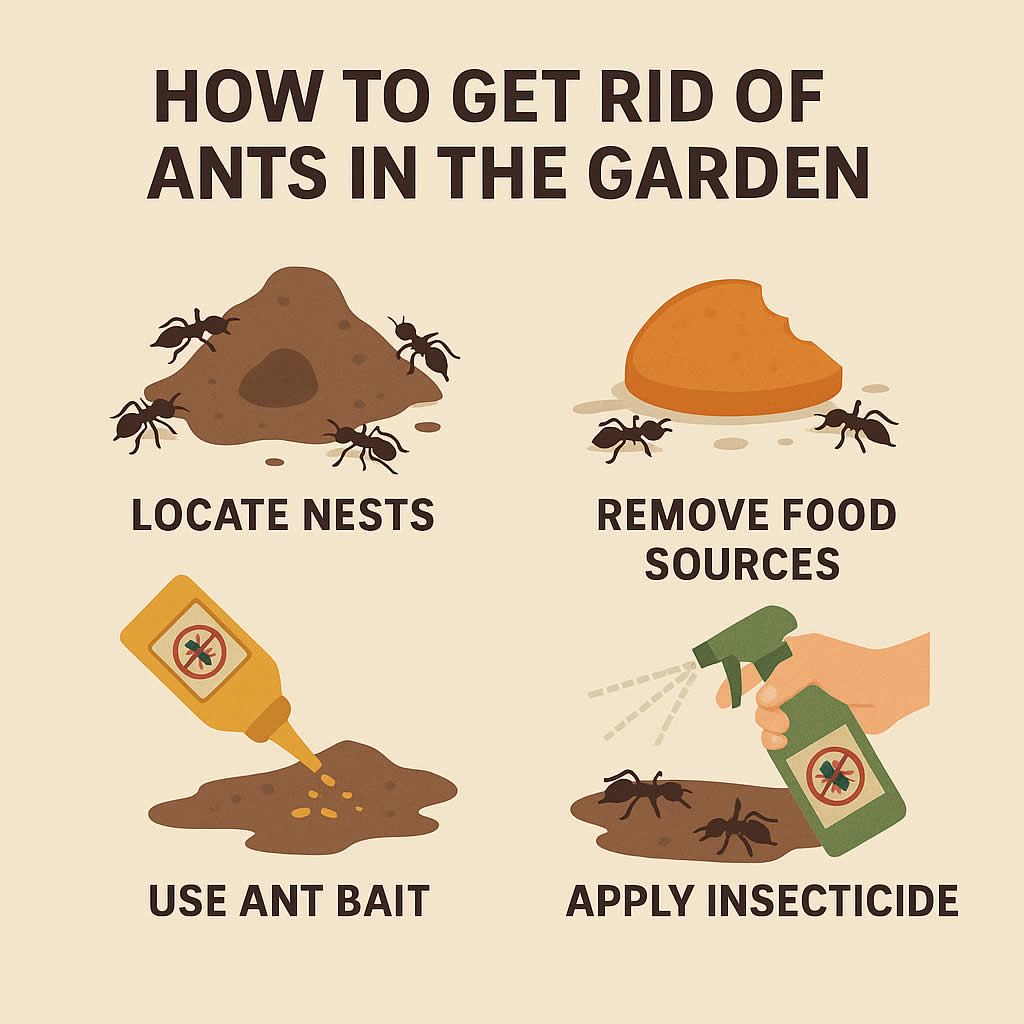
Follow this order for the best results. Keep the actions small, consistent, and steady for a few weeks. You’re aiming to limit food, narrow access, and feed the colony slow‑acting bait that reaches larvae and the queen.
- Map the activity. Spend two minutes at breakfast and two minutes at dusk to trace the main trails and identify likely nest points (soil mounds, warm edges, slab gaps, lawn domes). Snap a photo so you can compare later.
- Remove easy calories. Clear up sugary spills, fallen fruit, and pet food. Rinse recycling, wipe lids and bottle rims, and bag compost properly. Outside, reduce aphids on plants — honeydew fuels trails.
- Place slow‑acting bait along trails. Use small pea‑sized dots on card where ants already walk. Don’t flood the area; a little goes further than a lot. Refresh every 2–3 days, especially in warm weather.
- Block obvious entry points. Seal hairline gaps around pipes, frames, and thresholds with appropriate exterior‑grade caulk. Fit brush strips to doors. Clip plants that touch walls and act as bridges.
- Hold steady for 3–4 weeks. Keep baiting and keep things clean. You’re working through brood cycles. Spraying scattered workers now just resets the clock.
- Re‑survey after rain or heat. Trails often shift. Move bait cards to meet the new lines instead of chasing ants randomly.
This sequence targets the colony’s engine. It denies easy food, makes entry awkward, and moves a slow agent deep inside the nursery. It’s also safer and more reliable than boiling water, petrol, or heavy sprays, which don’t reach the queen and can fragment colonies.
Know Your Red Ants
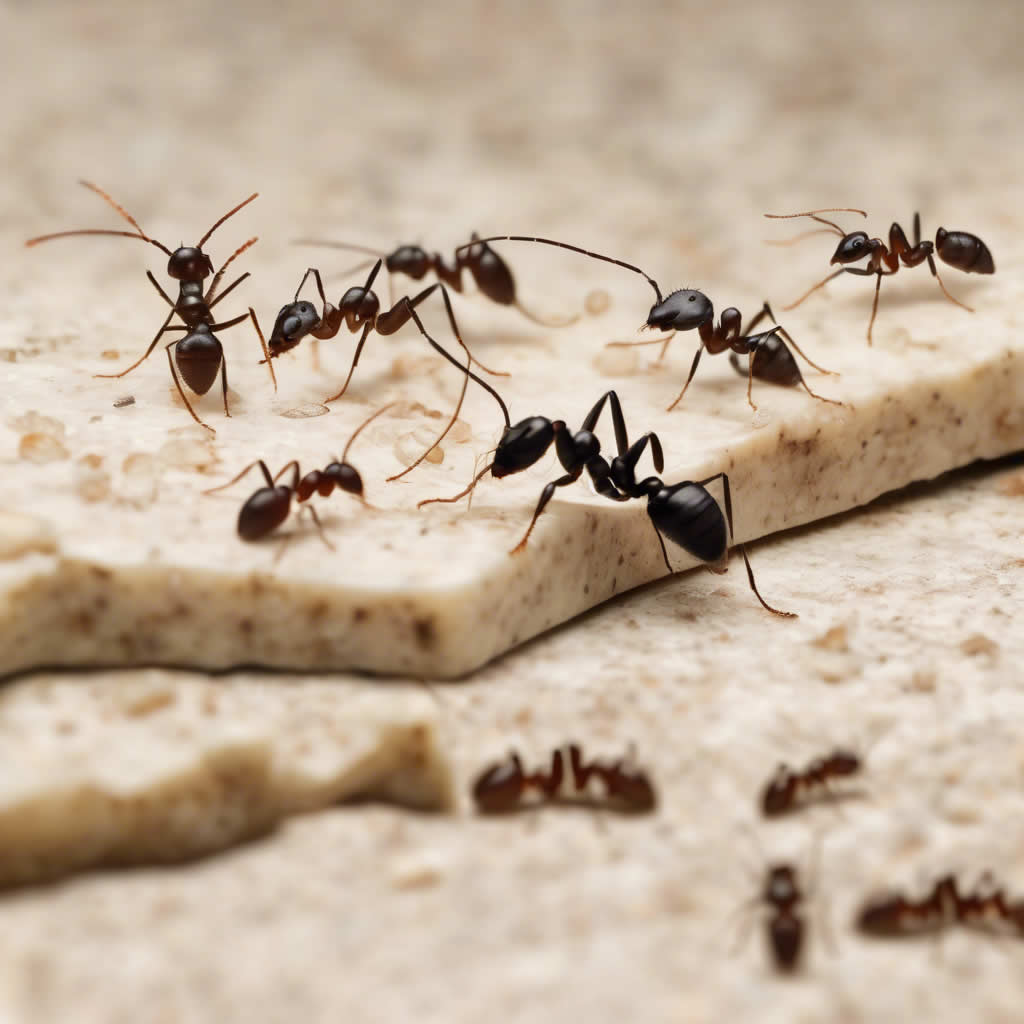
Red ants in UK gardens are usually small to medium, reddish‑brown, slim, and quick. They form loose soil mounds and respond instantly when disturbed, often with the abdomen slightly raised. They aren’t the tropical fire ants that create large pustules after stings, but they can cause sharp, short stings and itchy bumps, especially if you kneel in a nest by accident.
They favour sunny, well‑drained spots: lawn margins, path edges, under flags, dry borders, and the base of south‑facing walls. In very dry spells they shift brood to deeper, cooler chambers; after rain, they move brood nearer warm surfaces to speed development. That movement is your clue that the nest has multiple chambers — one reason a splash of boiling water hardly touches them.
Why Bait Beats Spray
Sprays kill visible workers, but the colony replaces them. As we covered in our queen‑eggs post, once a colony has a healthy queen with steady food, daily egg‑laying keeps the nursery stocked. Sprays also scatter trails. Ants rebuild lines elsewhere, sometimes into the house.
Slow baits fit ant behaviour. Workers collect a little, share it with nestmates, feed larvae, and feed the queen. Because the effect is delayed, the foraging network keeps running while the active ingredient spreads through the colony. Over days and weeks, brood survival falls and the workforce shrinks.
Placement That Works
Ants prefer easy, predictable routes. Use that to your advantage.
- Place bait just off the trail on rigid cards to keep it clean and movable.
- Use very small portions. Replace rather than heap.
- Keep nearby surfaces clean so bait stands out as the best option.
- In hot weather, shade the bait with a plant label to prevent drying out.
- In rain, slide the card under a lip (slab edge, step, drip sill) so it stays accessible.
Indoors, position cards along skirting runs, behind bins, and at pipe penetrations. Never on food‑prep surfaces. If you see them ignore one formulation, try another — some days they want protein, other days sugar.
Fix the Habitat So They Don’t Bounce Back
Ants are light — typically one to a few milligrams — and can move brood quickly. If you stop after the first quiet week, numbers often rebound. Adjust the environment so a new colony doesn’t find your space so convenient.
- Lawn care. Brush out thatch, overseed thin patches, and water deeply but less often. Thick roots and consistent moisture reduce loose, friable soil mounds.
- Hardstanding gaps. Re‑sand paving with polymeric jointing or mortar repairs where appropriate to reduce perfect nest slots.
- Vegetation bridges. Keep shrubs and climbers off wall faces. A simple 10–15 cm air gap removes highways straight into vents.
- Aphids. Hose off, use sticky traps, or prune heavily infested growth. Less honeydew, fewer trails.
These tweaks don’t need to be perfect. Small changes across a few fronts add up to fewer ants choosing your plot.
Indoors vs Outdoors
Outdoors, weather and predators take a toll. Indoors, central heating flattens winter and crumbs keep energy flowing. That’s why indoor worker survival can stretch from months toward a year. If you’re seeing trails in January, assume a warm, sheltered colony close by — a void, a cavity, or a subfloor.
For indoor cases, tighten hygiene first, then bait, then seal. Work methodically along one wall at a time instead of dotting sealant everywhere. You want to trap them out, not lock them in with food.
Natural Predators Help — But Won’t Finish the Job
Ground beetles, wolf spiders, lacewing larvae, assassin bugs, and antlion larvae all take ants when they can. They quietly reduce pressure but rarely collapse a colony. Consider them allies while you tidy food sources and run a bait programme. In a balanced garden, a few predators plus less honeydew make a noticeable difference.
Common Mistakes to Avoid
These errors waste time and often make things worse:
- Flooding the nest. Water and shock disperse brood and encourage satellite chambers.
- Heavy insecticide sprays. You’ll kill workers, alarm the colony, and push trails elsewhere without touching the queen.
- Huge bait blobs. Ants avoid sloppy pools and you can’t refresh them easily.
- Stopping too soon. You need steady pressure for at least one full brood cycle.
- Ignoring vegetation bridges. Overhanging growth defeats every seal you place.
Monitoring: Prove It’s Working
Simple tracking keeps you honest and shows progress:
- Count ants crossing a pencil line on a main trail for 60 seconds. Do this at the same time each day.
- Note bait interest. If take‑up drops to near zero, switch formula and location.
- Photograph mounds weekly from the same angle. You’ll catch small declines you might miss in person.
- Log weather. Surges after warm rain are normal; keep the plan steady.
Expect the graph to wobble week to week but trend down as brood fails and foragers age out.
Children, Pets, and Safety
Choose baits rated for domestic use and follow the label. Use low‑profile stations or cards in places pets and children can’t reach. Wipe hands after placement. Store products in original containers away from food and out of reach.
When You Might Need a Professional
Call in help if you’re dealing with:
- Repeated winter activity across multiple rooms.
- Multi‑unit buildings where nests appear in shared voids.
- Sensitive sites (childcare, kitchens with strict compliance) needing targeted, documented treatments.
A professional can trace entry points, use appropriate baits and stations, and schedule follow‑ups through brood cycles.
Seasonal Plan at a Glance
Spring: Start hygiene and bait early as trails form. Fix bridges and joints.
Summer: Maintain bait and water lawns properly. Expect surges after warm rain; don’t chase with spray.
Autumn: Reduce aphids with pruning. Seal before cold drives ants to warmer walls and interiors.
Winter: Indoors, double down on sealing and bait refresh. Outdoors, tidy and plan for spring.
Key Takeaways
- Think colony, not stray workers. Your aim is to reach the queen and brood.
- Small, steady bait placements beat big, messy blobs and heavy sprays.
- Clean, seal, bait, and hold the line through a brood cycle.
- Trim vegetation, firm up gaps, and manage aphids so a new colony doesn’t rush in.
- Track results with quick counts and photos. Adjust calmly, not reactively.
Follow this plan and red ants stop feeling inevitable. Trails thin, mounds flatten, and activity slips back into the background where it belongs — outside, and out of mind.