Squirrels are far louder and more expressive than most people expect, and when you hear a sharp cry in the garden it’s natural to wonder what it means. Those sudden sounds can be startling at first, but once you understand the patterns behind them you’ll feel calmer and more in control.
You’re not alone in asking why squirrels seem to shout. They live complex lives in busy, competitive spaces, and their voices help them survive. In this guide, you’ll discover the real reasons behind the noise, what different screams mean, and how to respond safely and responsibly at home.
Why Do Squirrels Scream?
Why do squirrels scream is the question that unlocks everything that follows. Squirrels scream to warn others about danger, to defend territory, to express distress, and to manage everyday social conflicts. The sounds are purposeful, not random, and once you recognise the context you can often tell exactly what’s happening nearby.
Screaming is part of a wider communication toolkit that includes chatters, barks, tail flicks, foot stamps, and posture changes. A true scream is sharper and more urgent. It’s designed to carry over distance, cut through background noise, and trigger a fast response in other squirrels.
Territorial defensiveness
Why do squirrels scream during stand‑offs with other squirrels? Territory is precious. When two individuals want the same feeding spot, nest site, or route along a fence, the dominant squirrel will escalate from chatter to a hard, rhythmic scream. You’ll often see rapid chasing, sudden stops, and head‑on staring. The scream is a clear “back off” signal designed to avoid a dangerous fight.
Alarm calls and predator alerts
Why do squirrels scream when they spot a threat? Because alarm screams mobilise the group. A fox cutting across a lawn, a stalking cat, or a circling raptor will trigger a sharp, repeating call that can continue until the danger passes. These calls don’t just warn; they sometimes confuse a predator by drawing attention to it and signalling that the hunt has been spotted.
Mothers, kits, and reunions
Why do squirrels scream around nests? Mother squirrels are intensely protective. If a kit strays, falls, or hesitates to return to shelter, a frantic series of cries can bring the family back together. Kits themselves produce high, thin squeals when hungry, startled, or briefly separated.
Startle, stress, and pain
Why do squirrels scream when startled or hurt? A sudden, single burst often signals momentary shock or discomfort: a slip on a branch, a near‑miss with a car, or a trapped paw. These cries are brief but piercing, and they matter because they can indicate an animal that needs space—or help from a qualified rescuer if injured.
What Types of Squirrel Screams Should You Notice?
What types of squirrel screams should you notice is an important framing question because different screams mean different things. Broadly, you’ll hear three patterns: territorial, alarm, and distress. Territorial screams are longer and more rhythmic. Alarm screams are continuous, sharp, and high‑pitched. Distress screams are abrupt, sometimes irregular, and can sound panicked.
You don’t have to be an expert to distinguish them. Simply pause, watch calmly from a distance, and look for matching behaviour: chasing and posturing for territorial calls; all heads up and frozen for alarm; crouching or awkward movement for distress.
Common patterns you’ll recognise:
- Territorial screams: Long, harsh, repeated bursts while one squirrel faces another.
- Alarm screams: High, urgent strings of calls while the group scans for danger.
- Distress screams: Sudden, sharp cries with tense, hunched body language.
Why Squirrels Scream in Gardens and Roof Spaces
Why squirrels scream in gardens and roof spaces comes down to resources and shelter. Gardens are rich with feeders, bulbs, fruit, compost, and water—perfect for foraging but also prime for conflict. Roof spaces and lofts mimic natural cavities: dry, insulated, and safe from many predators. When these locations overlap with breeding season or scarce food, noise levels rise.
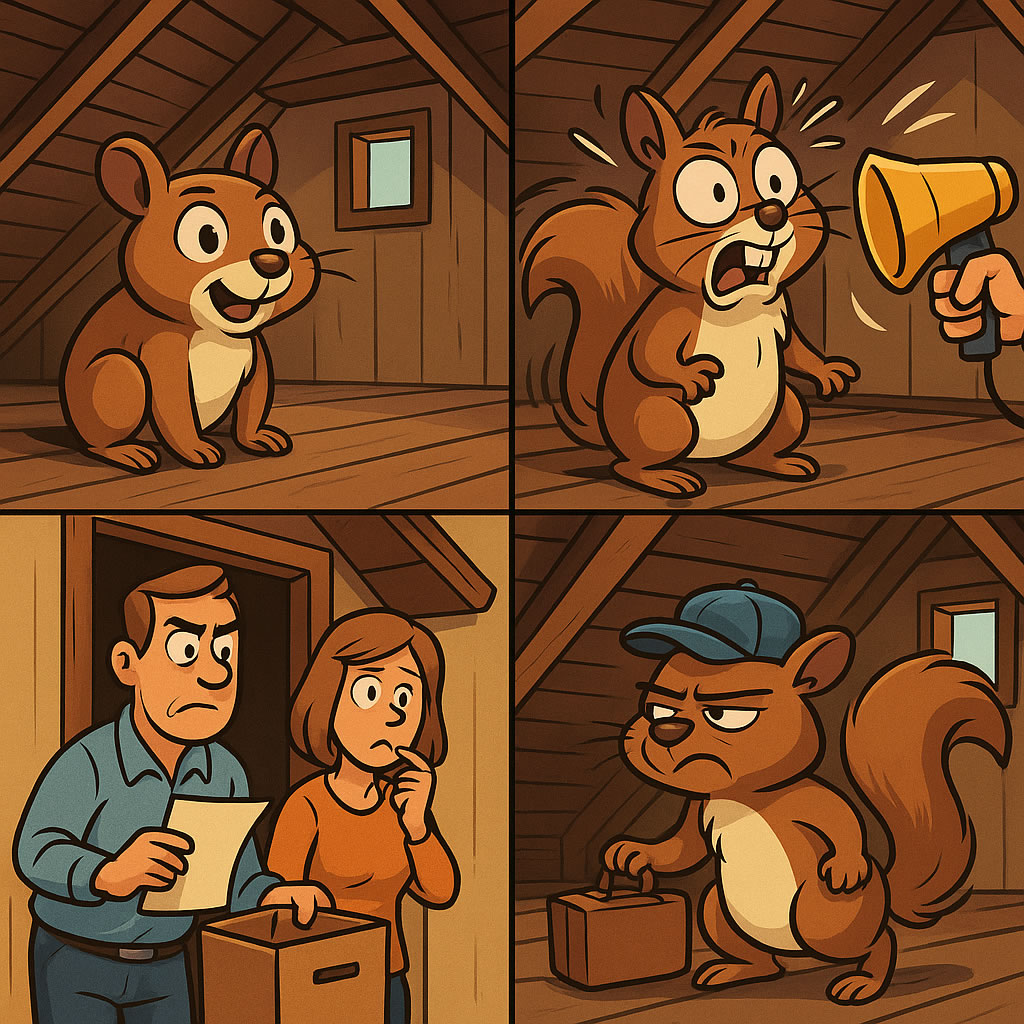
If a squirrel has found a way into your loft, you may hear early‑morning activity and more vocalisation at dusk. Screaming around eaves, gutters, or fascia boards often accompanies disputes over entry points or nesting spots. In gardens, concentrated food sources—like a busy bird feeder—create natural pinch points where tempers flare.
What Causes Squirrels to Scream at Night?
What causes squirrels to scream at night is usually a sudden disturbance. Although squirrels are mainly active in daylight, they will vocalise after dark if a nest is threatened, if a predator moves through, or if an argument erupts where several individuals overlap. Night screams carry urgency because visibility is reduced; sound becomes the fastest way to signal risk.
Typical triggers include cats patrolling, foxes passing, lights snapping on unexpectedly, or a loud bang close to a nest site. If night calls repeat over several days, it’s worth checking for access gaps to lofts or roof voids that could be attracting attention.
How Squirrel Screaming Relates to Nesting
How squirrel screaming relates to nesting is straightforward: nests (dreys) are critical assets. A squirrel that believes its drey is compromised will escalate quickly from chatter to harsh screams coupled with tail flicks and stamping. During breeding periods, when kits are present, vigilance intensifies and so does the noise.
You might also hear increased vocalisation when young squirrels start making short trips outside the nest. They move cautiously, test boundaries, and react nervously to new stimuli. The family’s soundscape becomes a mix of guidance, warnings, and the occasional youthful squeal.
How to Respond When You Hear a Squirrel Scream
How to respond when you hear a squirrel scream depends on context, but a calm, step‑by‑step approach works best. Your aim is to identify whether intervention is needed and, if so, to act in a way that protects both wildlife and your property.
- Pause and observe from a distance. Give the animal space. Rushing in can escalate fear or provoke defensive behaviour.
- Scan for obvious threats. Look for cats, foxes, or birds of prey. If a predator is present, avoid intervening directly; nature will usually resolve quickly.
- Check for entrapment or injury. If a squirrel appears stuck, limping, or unable to move freely, contact a local wildlife rescue for guidance before attempting any action.
- Note the location of calls. Repeated screaming at roof edges, vents, or soffits can indicate attempted access or an existing nest in a loft space.
- Time your property checks. If you plan to inspect potential entry points, wait until the area is quiet and squirrels have moved off, so you don’t trap animals inside.
Why Understanding Squirrel Screaming Helps You Protect Your Home
Why understanding squirrel screaming helps you protect your home is simple: information beats guesswork. Recognising alarm calls tells you when predators are active. Identifying territorial screams flags hotspots near feeders, planters, or fences. Hearing repeated noise at the same structural point hints at a gap or path that needs attention.
With this knowledge you can:
- Act early to secure vulnerable rooflines before nesting begins.
- Relocate attractants (like feeders) to reduce conflict.
- Plan humane solutions that avoid distress for both animals and people.
How Environment and Seasons Influence Squirrel Screaming
How environment and seasons influence squirrel screaming is a story of pressure and opportunity. In early spring and late summer, breeding activity increases, and so does the urgency behind calls. In late autumn, competition for food peaks as animals cache supplies, bringing out more territorial displays.
Urban settings add extra noise and competition. Squirrels may scream more simply to be heard over traffic or landscaping equipment. Where gardens cluster, small territories overlap tightly and vocal disputes are common. Conversely, in quieter, well‑vegetated spaces with diverse food sources, the soundscape can be calmer because pressure is lower.
How to Make Your Garden Calmer (and Quieter)
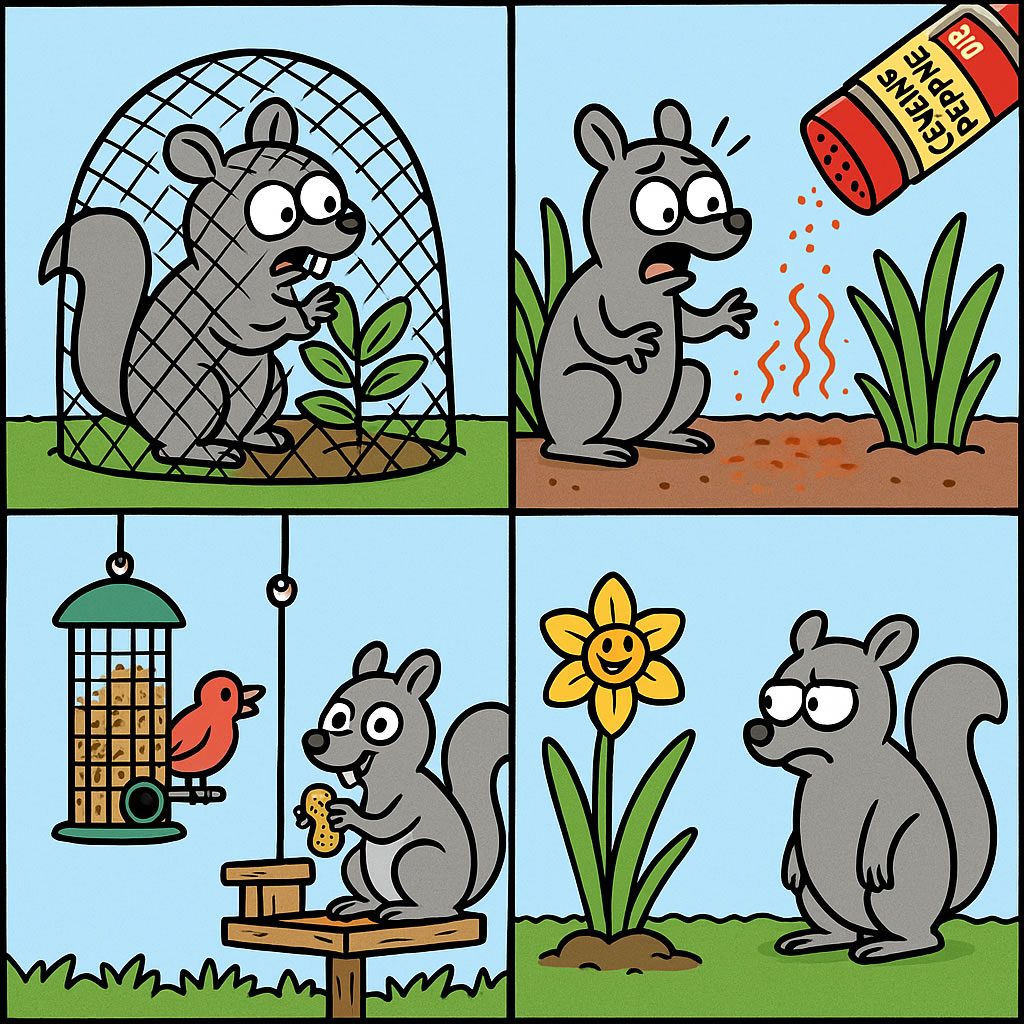
How to make your garden calmer rests on reducing pinch points and removing easy access to sensitive structures. The goal isn’t to eliminate wildlife; it’s to create a balanced space where conflict is less likely and loud confrontations are rare.
Practical, low‑stress adjustments:
- Move bird feeders farther from fences and overhanging branches to spread activity out.
- Trim back routes that allow easy leaps onto roofs, especially near chimneys and vents.
- Secure lids and sacks so compost and bins aren’t irresistible larders.
How Screaming Reveals Squirrel Intelligence
How screaming reveals squirrel intelligence becomes obvious when you watch how quickly groups coordinate. One voice rises, heads come up, tails stiffen, and multiple animals scan in the same direction. The response is learned and social. Different call patterns convey different messages; nearby squirrels interpret them in seconds and act accordingly.
This is communication with purpose. It’s efficient, adaptive, and shaped by real‑world risks. The fact that you can learn to read it so quickly shows how consistently squirrels use their signals.
How to Tell When a Squirrel Needs Help
How to tell when a squirrel needs help comes down to repetition, posture, and location. A single, sharp cry followed by normal movement is likely a startle. Repeated cries from one spot, especially with awkward footing or dragging limbs, can point to injury or entanglement. Kits calling near the base of a tree may be separated from a drey.
In these cases, the safest path is to contact a local wildlife rescue or advisory service. Describe what you’ve seen, keep pets away, and follow expert guidance. Attempting a rescue without training can cause harm even with the best intentions.
How to Reduce Squirrel‑Human Conflict at Home
How to reduce squirrel‑human conflict at home is a matter of improving boundaries and routines. Focus first on prevention: proofing and small layout tweaks are more effective than reacting after problems escalate.
Smart prevention priorities:
- Inspect rooflines for gaps around soffits, vents, and eaves; fit meshes or covers where appropriate.
- Space out attractants so feeding doesn’t concentrate animals into noisy disputes.
- Choose planting strategically by mixing species and protecting the most vulnerable bulbs or planters.
How to Balance Wildlife Enjoyment with Practical Limits
How to balance wildlife enjoyment with practical limits is the long‑term goal. You can appreciate daily visits while keeping noise and risk under control. Create sightlines so you can observe comfortably from indoors, choose feeders with adjustable access, and protect sensitive areas like lofts and storerooms.
Remember that some vocalisation is part of a healthy ecosystem. The trick is to prevent repeated flashpoints that train animals to see your roof or your borders as battlegrounds.
How to Build a Personal ‘Sound Map’ of Your Garden
How to build a personal sound map of your garden helps you spot patterns early. Take a few minutes at dawn or dusk for a week. Note where calls originate, what was happening in the moment, and how long they last. Add simple markers—“feeder corner,” “east fence,” “chimney”—to your notes.
Very quickly you’ll see that most noise clusters around two or three points. Those are the places to proof, rearrange, or watch more closely. Over time, the calls reduce as competition eases and access routes change.
How to Use Calm Observation to Defuse Flashpoints
How to use calm observation to defuse flashpoints may sound soft, but it’s highly effective. When you spot an escalated stand‑off, simply stepping back, pausing garden work, or giving animals a clear exit can let tension drain away. Noise drops, chasing stops, and everyone—human and squirrel—gets on with their day.
Calm observation also keeps you safe. Defensive animals can bite if cornered. By staying hands‑off and thinking ahead, you protect yourself while encouraging smoother wildlife behaviour.
How to Turn Knowledge into Action (A Simple Plan)
How to turn knowledge into action works best when you pick small, achievable steps and revisit them seasonally.
- Listen for a week. Identify the noisiest spots and the likely triggers.
- Tidy the layout. Shift feeders, tidy bins, trim springboards to the roof.
- Proof the structure. Seal obvious gaps once you’re confident no animals are inside.
- Review at key seasons. Early spring, late summer, and mid‑autumn are prime times to reassess.
- Call experts when needed. Use wildlife rescues for welfare issues and qualified trades for structural proofing.
Conclusion: Understanding Brings Calm and Control
Why do squirrels scream is no longer a mystery once you’ve heard the main patterns and seen the matching behaviours. Screams are signals—of danger, territory, distress, and daily negotiation. With a little patient listening you can tell them apart, prevent flashpoints around your home, and make humane, confident choices.
This isn’t about silencing nature. It’s about shaping a space where animals stay safe, property stays secure, and your mornings sound like life rather than alarm. When you understand the message, the noise makes sense—and that’s when control, clarity, and calmer days follow.