Related Queries
ToggleWhen you discover chewed electrical wires, it feels unsettling. You might worry about fires, damage, or the thought of mice moving unseen through your home. It’s a moment that often leaves you wondering not just how it happened, but why mice would target something as surprising as wiring in the first place.
Understanding the reasons behind this behaviour helps you feel more in control. When you know what drives mice to chew wires, you can protect your home more confidently, reduce the risk of costly repairs, and prevent further damage. This guide explains the behaviour clearly, calmly, and practically so you can take reassuring steps forward.
Why Do Mice Chew Wires?
Why mice chew wires comes down to their biology, instincts, and everyday survival needs. Mice have teeth that never stop growing, which means they must gnaw constantly to keep them at a manageable length. Wiring, unfortunately, feels firm, accessible, and satisfying for them to chew.
You might picture mice as animals that only target food, but the truth is they chew a wide variety of materials. Plastic coatings, wood, insulation, cardboard, and rubber all become targets because gnawing helps mice maintain their incisors. Modern wiring, with its flexible insulation and convenient placement along skirting boards and wall cavities, fits this instinct perfectly.
Mice also chew wires while exploring. They move through tight, hidden spaces, using their teeth to test new routes or enlarge gaps. When they encounter cables, they simply treat them like any other obstacle. Their behaviour is rarely malicious; it’s habitual and instinctive. Once they begin, the damage can happen quickly.
Why Mice Chew Wires in Lofts and Walls
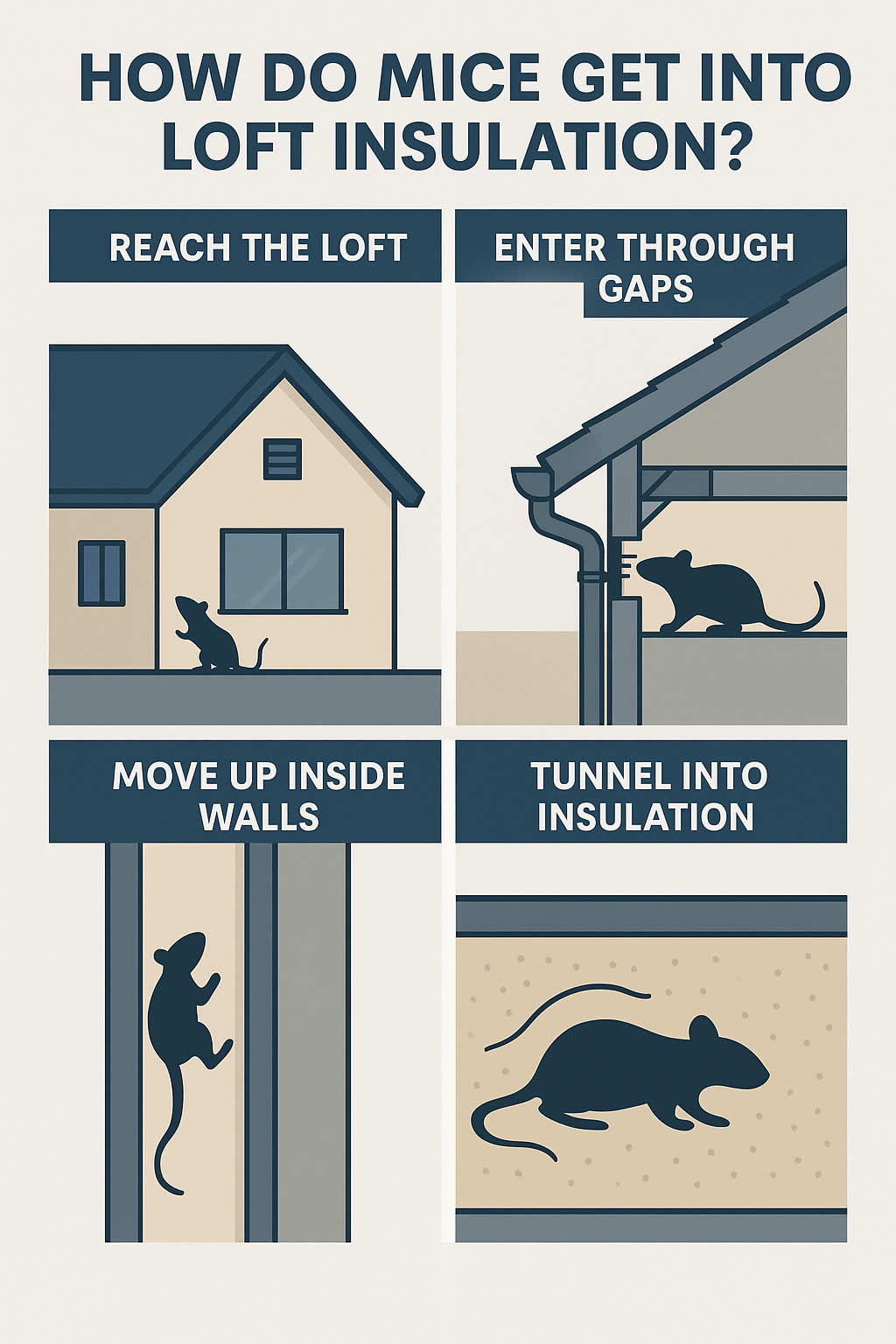
Why mice chew wires in lofts and walls relates to how these spaces naturally attract them. Lofts, attics, and wall cavities create sheltered, warm, undisturbed environments where wires are exposed, bundled, or easy to access.
Mice feel safe in these hidden routes, which encourages them to stay longer and gnaw freely. If your loft has older insulation or stored clutter, the environment becomes even more appealing. Wires that run through insulation channels often end up coated with nesting materials or dust, making them softer and easier for mice to grip.
In walls, cables run alongside pipes and beams that mice already use as natural highways. When a mouse travels along a cable run, it naturally encounters wiring and begins chewing as part of its instinctive behaviour. Because these areas are hidden from view, the chewing often continues unnoticed until damage becomes significant.
Over time, gnawing through a small section of insulation exposes the wire underneath. That’s when electrical risks become real, especially if the damage causes sparking, shorts, or overheating.
Why Electrical Wiring Attracts Mice
Why electrical wiring attracts mice is partly due to the materials and partly due to the environment that wiring sits in. Many modern wire coatings are made from soy-based plastics or plant-derived polymers. These materials smell appealing to rodents because they contain natural compounds mice associate with food or chewing materials.
Even if the coating isn’t food-based, the soft texture encourages mice to chew. It feels like bark, stems, or roots they encounter outdoors. Some wires carry a slight warmth when appliances are running. This warmth attracts mice during colder months, especially in lofts or underfloor spaces.
Another overlooked factor is scent. Mice leave scent trails wherever they travel. Once a mouse explores a route alongside wiring, it leaves behind pheromones. Other mice follow the same trail, increasing the chance that more chewing will occur in the same place.
The wiring itself isn’t the goal. The environment around the wiring makes it easy, comfortable, and instinctively satisfying for a mouse to gnaw.
What Damage Can Chewed Wires Cause?
What damage chewed wires cause ranges from mild inconvenience to serious hazards. When mice chew through insulation, they expose the metal conductor. This increases the risk of electrical shorts, faulty circuits, flickering lights, and intermittent power failures. You may notice appliances cutting out or sockets becoming unreliable.
The greater concern is safety. If exposed wires spark, they can ignite insulation, dust, or dry materials stored nearby. This is why so many homeowners feel anxious when they learn that mice have been active near wiring. Even small chew marks can create weak points that develop into bigger electrical problems over time.
Mice may also chew Ethernet cables, alarm wires, CCTV wires, or boiler control cables. This creates disruption beyond the electrical system, sometimes shutting down heating, security systems, or internet access unexpectedly. The more wiring they encounter, the greater the risk of hidden faults.
If the problem has existed for several weeks, the damage may be wider than you expect. Because mice travel in patterns, they often chew multiple sections of wiring along a single route.
Why Mice Chew Wires at Night
Why mice chew wires at night is linked to their natural behaviour. Mice are nocturnal, so most of their activity happens once your home becomes quiet. When lights go out and the house settles, they feel safer to explore and chew.
At night, mice travel along familiar paths, using their whiskers and memory to navigate. Wiring in lofts, under floors, or behind cupboards becomes part of these nightly routes. As they move, they chew to trim their teeth or test materials, leading to fresh damage you may only notice in the morning.
Night-time activity also increases because the house is undisturbed. No footsteps, no doors opening, no daily noise. This calm environment makes wiring feel like an even safer target for chewing. If you’ve heard faint scratching in the night, it may have been the early signs of this behaviour.
Where Mice Usually Chew Wires in a Home
Where mice usually chew wires in a home depends on the structure of your property and how mice enter. They tend to focus on areas that provide warmth, darkness, and minimal disturbance.
You may find chewed wires in these common locations:
- Loft spaces near downlights or junction boxes
- Behind kitchen appliances where cables are hidden
- Underfloor cavities along heating pipes
- Utility cupboards or boiler rooms
- Garages with exposed cables or insulation
- Internal walls where cables run beside beams
These areas also supply nesting materials, warmth, or access routes. If wires run alongside cable trays, insulation, or timber, mice view the whole area as safe terrain. Spotting the earliest signs in these locations helps prevent deeper issues later.
What Causes Mice to Target Certain Wires?
What causes mice to target certain wires often comes down to accessibility and scent. Wires that run along the floor, sit loosely behind appliances, or pass through gaps in plasterboard are the easiest for mice to reach. They focus on whatever they encounter first.
Wires with plant-based coatings are more appealing. If your home has newer wiring installed with eco-friendly insulation, you may notice more chew marks. Similarly, cable bundles that gather dust or absorb moisture become softer, making them easier to chew.
Environmental factors matter too. In cold weather, warm pipes near wiring attract mice. In cluttered lofts, wires buried under boxes or insulation become convenient for gnawing during nest building. Lighting cables in lofts are particularly vulnerable because mice often pass them on the way to sheltered corners.
How You Can Prevent Mice from Chewing Wires
This is your single action section, written without explicit “how to” labelling, containing clear, calm steps a homeowner can follow.
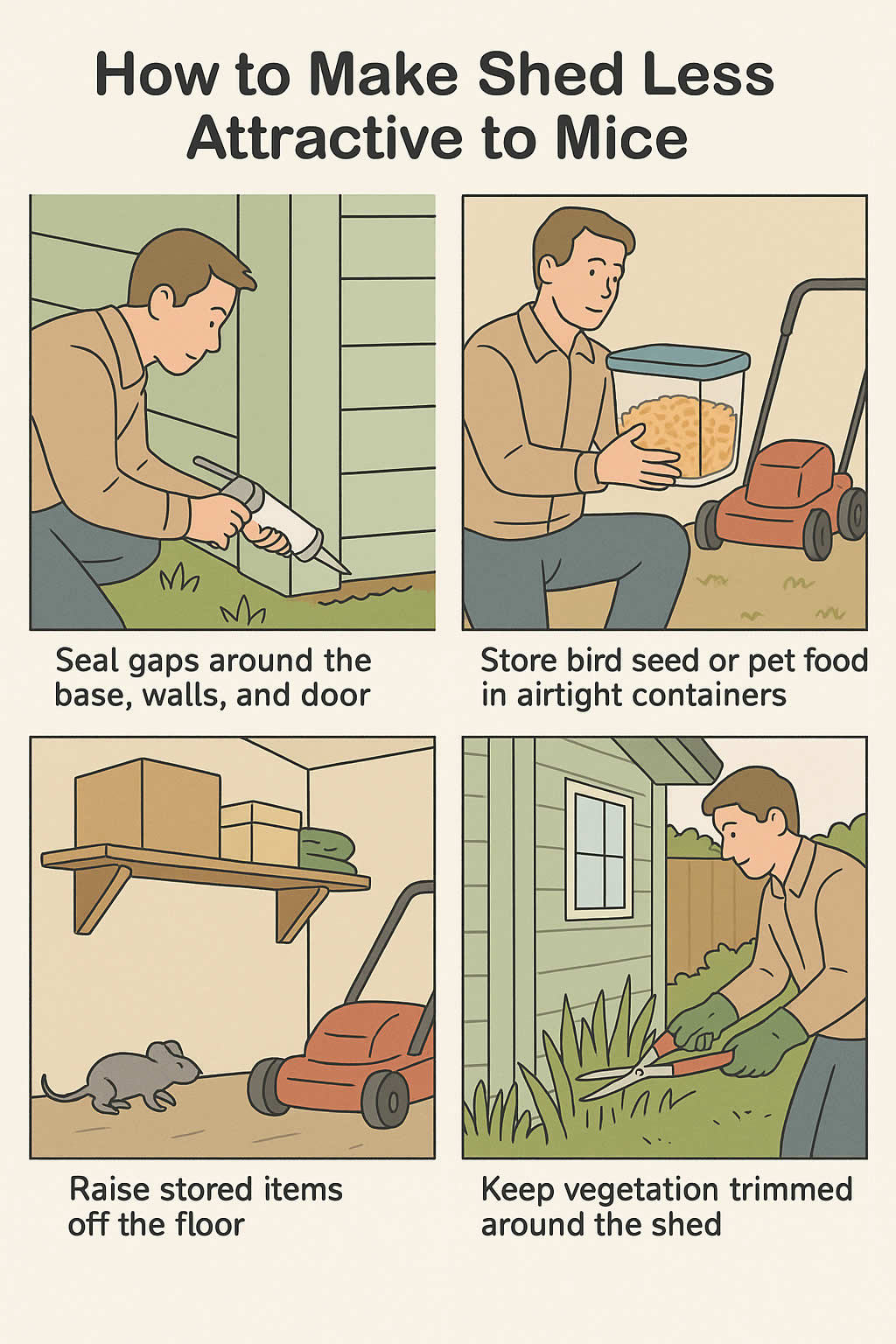
- Identify gaps where wiring is accessible and gently tidy the surrounding area to reduce hiding places.
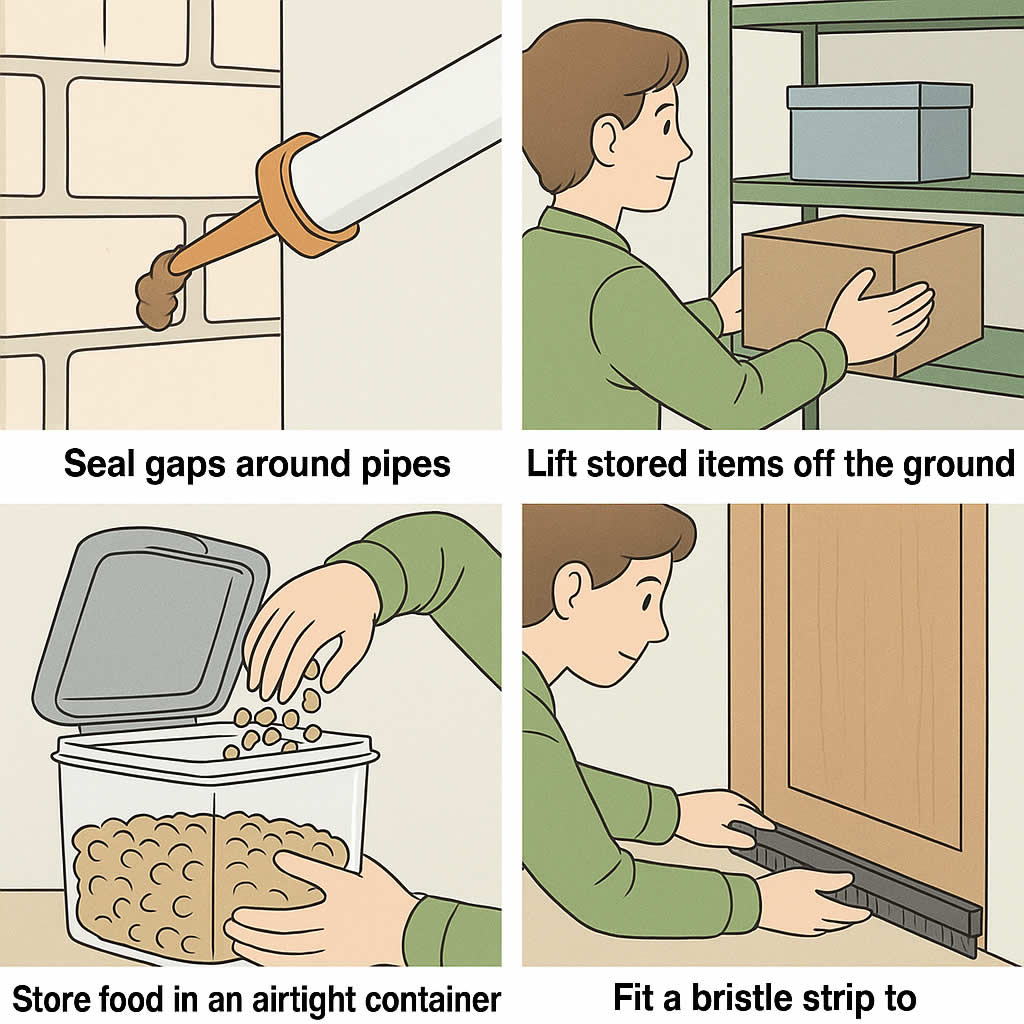
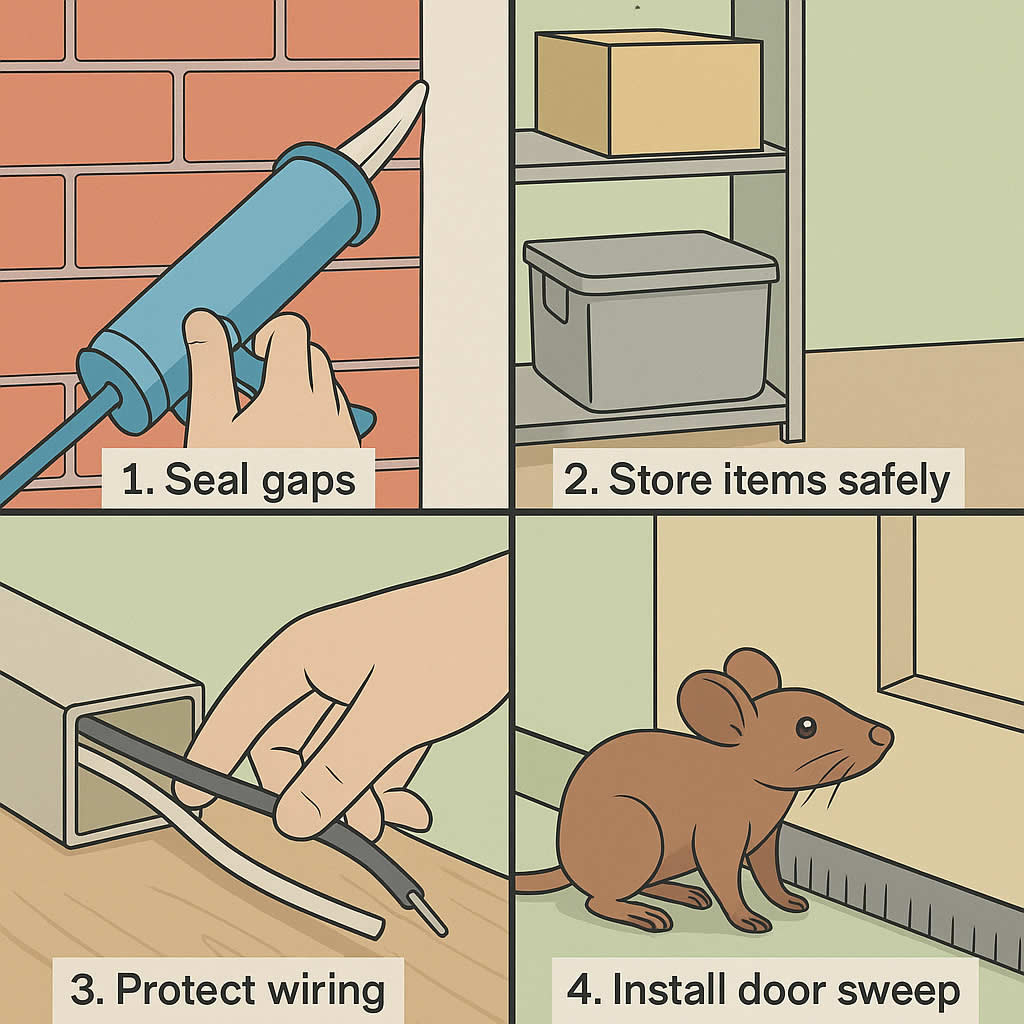
- Seal small openings around pipes or brickwork using rodent-resistant filler to prevent mice reaching wire routes.
- Place wiring inside trunking or conduit where possible, creating a protective barrier that mice are less able to chew through.
- Store food securely and keep kitchens clean so mice have fewer reasons to remain inside your home.
- Fit bristle strips at the bottom of external doors to reduce easy entry points.
- Check loft insulation for gaps or disturbed areas that may indicate active routes leading to wiring.
- Keep garages and utility rooms organised so mice cannot create sheltered pathways along exposed cables.
- Repair or reinforce broken air brick covers to stop mice entering the areas where wiring runs.
These steps make your home less appealing and reduce the access that allows mice to reach vulnerable cables.
Why Mice Chew Wires More in Winter
Why mice chew wires more in winter relates directly to seasonal behaviour. When temperatures drop, mice seek warm, insulated areas where electrical wiring naturally runs. They gravitate toward boiler cupboards, heated pipe routes, and loft spaces warmed by household heat.
Wiring also becomes part of their nesting environment. If mice build nests nearby, they frequently chew whatever materials surround them. Because insulation and wires often sit in the same areas, damage happens quickly.
Food scarcity also shapes winter behaviour. As outdoor supplies disappear, mice venture deeper into indoor spaces. This increases the chance they cross paths with wiring and chew instinctively as they explore.
Winter is the time when hidden electrical faults can form fastest. Watching for signs during these months helps you avoid sudden problems.
Can Mice Damage Car Wires?
Can mice damage car wires is a question many homeowners face when storing vehicles in garages or driveways. The simple answer is yes. Modern car wiring often uses soy-based insulation, making it just as appealing as household cables.
Cars parked in garages provide shelter, warmth, and safety. If a mouse has already found a route into the garage, the insulation inside the bonnet becomes a tempting hiding place. Wires running from the battery or engine control units become targets during nesting or exploration.
You may notice warning lights, electrical faults, or non-starting engines if this damage occurs. Mice can also shred soundproofing insulation around the engine bay, causing further issues.
Garages that store food, cardboard boxes, or bin bags increase the likelihood of attracting mice toward your vehicle.
Why Young Mice Chew Wires More Frequently
Why young mice chew wires more frequently relates to their development. Juvenile mice explore more boldly than adults. They test more surfaces, chew more materials, and move through new areas more rapidly. This behaviour helps them learn their environment.
Their teeth also grow quickly at this stage, increasing the urge to gnaw. Because young mice are lightweight, they can access tight spaces adults cannot reach. This means their chewing may appear in places homeowners rarely expect, such as narrow gaps around cabinetry or internal wiring conduits.
If you notice fresh chew marks in new areas, it may indicate young mice have joined a nest inside your home.
Why Mice Chew Wires Instead of Wood or Food
Why mice chew wires instead of wood or food isn’t because they prefer wiring. It’s because wires are often the most convenient material in their immediate environment. Food sources in the home are typically sealed or stored, while wiring is exposed and easy to reach in hidden areas.
Wooden beams may be thicker and less comfortable to grip than plastic insulation. Wires offer the ideal balance of texture, softness, and firmness. Mice also find wiring consistent; each cable feels similar, making it predictable for gnawing.
Their goal is not nutrition. Their goal is dental maintenance. Wiring simply ends up being the most accessible material in the paths they travel every night.
What to Do After You Find Chewed Wires
What to do after you find chewed wires depends on the severity of the damage. Begin by turning off power to the affected circuit if you can see exposed metal. This reduces immediate safety risks. Then focus on two priorities: repairing the damage and preventing further access.
Call a qualified electrician for any wiring that looks exposed, frayed, or burnt. They can make safe repairs and check whether deeper faults exist. While waiting for repairs, avoid disturbing the area too much, as mice may scatter and hide elsewhere.
Next, address the cause. Look for nearby gaps, trails, droppings, or nesting signs. Mice won’t stop chewing unless they lose access to the area. Securing entry points and tidying clutter helps encourage them to leave.
Because mice follow scent trails, removing the smell through light cleaning or replacing nesting materials also helps disrupt their routes.
Our Final Say!
Understanding why mice chew wires helps you take calm, confident action before the damage becomes serious. Their behaviour is natural, instinctive, and driven by their need to keep their teeth short, stay warm, and explore hidden corners of your home. Once you see the pattern clearly, it becomes easier to protect your wiring and reduce risks.
When you seal small gaps, tidy cluttered areas, protect wiring routes, and pay attention to early signs, you create a home that feels safer from hidden electrical damage. The goal isn’t to fear the behaviour but to understand it well enough to prevent it.