You don’t plan for a bee sting. It happens in a flash — a sharp jab, hot pain, a little panic — and suddenly you’re wondering what to do, what to put on it, and when to worry. The good news is that most bee stings are minor and settle within a day or two with simple first-aid at home. The big exceptions are stings in the mouth or throat and any sting that triggers an allergic reaction; those need urgent attention.
In this guide, you’ll learn exactly what to put on a bee sting, what to avoid, when to remove a stinger (and how), which shop-bought products actually help, and the clear signs you should call for help. Everything here is written for a UK audience and aligns with established first-aid guidance and allergy advice.
Quick Answer: What to Put on a Bee Sting (At a Glance)
- Remove the stinger fast if you can see one (honey bees leave a barbed stinger; wasps don’t). Speed matters more than the exact method.
- Wash the area with soap and cool water.
- Apply a cold compress (wrapped ice pack or a cold wet cloth) for 10–15 minutes at a time to reduce pain and swelling.
- Consider an oral non-sedating antihistamine for itch and swelling; a mild hydrocortisone cream can help locally (check labels, age suitability, and medicine interactions).
- Elevate the area if it’s on a limb; avoid scratching.
- Seek urgent help for any signs of anaphylaxis (breathing trouble, throat or facial swelling, dizziness/collapse) — use an adrenaline auto-injector if prescribed and call 999.
How to Treat a Bee Sting (Step-by-Step)
- Check the person is safe and responsive. If they’re struggling to breathe, feel faint, or have rapidly spreading swelling, call 999 immediately and follow anaphylaxis steps below.
- Look for a stinger and remove it quickly. If you can see the tiny dark dot with a little sac attached, it’s likely a honey-bee stinger. Remove it at once — scrape with a card or your fingernail, or pinch and pull; the key is speed.
- Clean the site. Wash with soap and cool water to lower infection risk and soothe the area.
- Apply cold. Use a wrapped ice pack or cold wet cloth for 10–15 minutes. Repeat several times over the first few hours to limit swelling and pain.
- Manage symptoms:
- For pain: consider paracetamol or ibuprofen (if suitable for you).
- For itch/swelling: a non-drowsy antihistamine and/or a thin layer of 1% hydrocortisone cream can help (follow pack instructions; not for broken skin; check age restrictions).
- Keep it clean and avoid scratching. Scratching increases swelling and infection risk. If needed, cover lightly with a clean dressing you can remove easily for washing.
- Observe for 30–60 minutes. Watch for any escalating symptoms, especially breathing difficulty, voice changes, tongue or throat swelling, widespread hives, chest tightness, or dizziness. If any appear, follow the anaphylaxis steps.
Why “Remove It Quickly” Beats “The Perfect Technique”
You’ll often hear conflicting tips: scrape sideways with a card, never pinch, use tweezers, don’t use tweezers. The speed of removal matters more than the specific method — the longer the stinger stays in, the more venom is pumped. If you can get it out swiftly and safely, you’re doing the right thing.
What to Put on a Bee Sting: Products That Actually Help
- Cold compress or wrapped ice pack: the single most effective immediate measure to reduce pain and swelling. Use in short bursts (10–15 minutes), several times.
- Hydrocortisone 1% cream: eases local inflammation and itch. Thin layer up to 2–3 times daily; not for children under the labelled age or on broken skin.
- Oral antihistamines (non-sedating): reduce itch and swelling without making you drowsy; follow pack instructions and check with a pharmacist if you take other medicines.
- Simple pain relief: paracetamol or ibuprofen (if suitable) for pain and tenderness.
- Emollient or calamine lotion: can soothe irritated skin once the initial pain settles.
What to Avoid Putting on a Bee Sting
- Strong acids/alkalis, neat vinegar, baking soda pastes, toothpaste, or bleach. Evidence isn’t there and they can irritate skin further.
- Topical antibiotics “just in case.” Not necessary for routine stings; see a clinician if you develop infection signs (increasing redness, warmth, pus, fever).
- Tight tourniquets or suction devices. These don’t help and can harm.
When a Sting Is More Serious (and Needs a Professional)
- Anaphylaxis or severe reaction: breathing or swallowing difficulty; hoarse voice; wheeze; swelling of lips, face, or tongue; faintness/collapse; widespread hives with other symptoms.
- Sting to mouth or throat: call 999; swelling here can obstruct the airway.
- Multiple stings, stings to the eye, or stings in very young children: seek medical advice.
- Symptoms that worsen after 24–48 hours or signs of infection: book an urgent GP/urgent treatment centre review.
Bee Sting Basics: Honey Bees vs Wasps
- Honey bees may leave a barbed stinger behind — remove it fast.
- Wasps and hornets sting without leaving a stinger and can sting repeatedly.
- Both can trigger allergic reactions; the emergency steps are the same.
Normal Reactions vs Large Local Reactions
It’s normal to see redness, warmth, and swelling around the sting for a few hours. Some people get a large local reaction — swelling that spreads over 24–48 hours and can involve a whole hand or forearm. It’s uncomfortable but usually not dangerous. Cold compresses, antihistamines, and short-term anti-inflammatories often help. If the swelling continues to expand after 48 hours, becomes very hot and painful, or you feel unwell, seek medical advice.
What to Do If You Have a Known Sting Allergy
- Always carry your adrenaline auto-injector and know how to use it; check expiry dates. If you use it, call 999 and say “anaphylaxis,” even if you improve.
- Tell friends, family, and colleagues where your AAI is kept and share your action plan.
- Consider a referral to an allergy specialist to discuss venom immunotherapy (if appropriate).
Home Remedies: What’s Worth Trying, What Isn’t
There’s plenty of folklore around bee stings — from honey and aloe to bicarbonate pastes. While some people find gentle, non-irritating options soothing (e.g., cool aloe gel), the mainstays that consistently help are fast stinger removal, washing, and cold compresses, plus targeted medicines for pain and itch. If a remedy stings, burns, or irritates, wash it off and stick to the basics.
Preventing Future Stings (Practical, Everyday Steps)
- Footwear outdoors: especially on lawns and clover.
- Cover up when gardening: light, smooth fabrics; avoid loose sleeves bees can get trapped in.
- Avoid strong scents: perfumes and some hair products can attract stinging insects.
- Secure food and drink outdoors: open cans and sweet drinks attract wasps.
- If a bee lands on you: stay calm and still; most bees sting defensively when trapped or swatted.
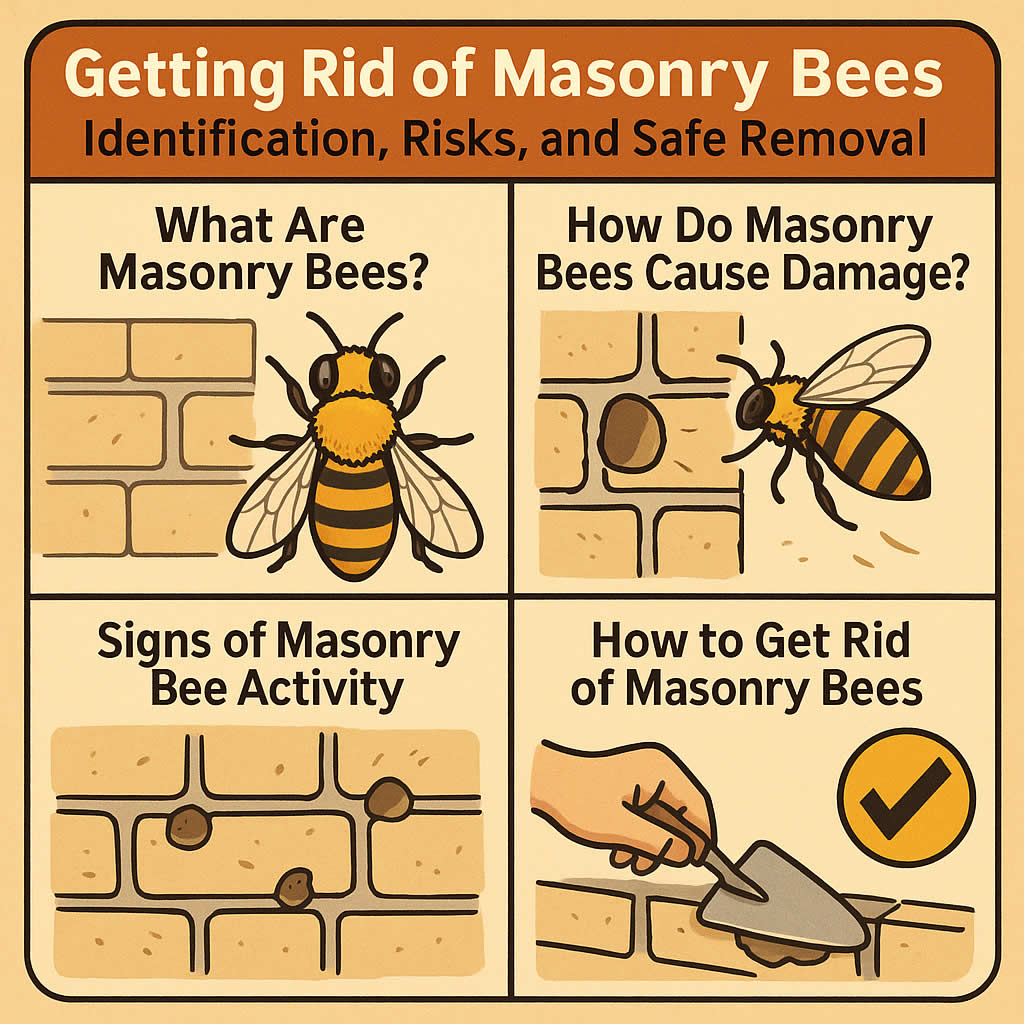
- Around the home: if you’ve got persistent activity at mortar joints, read our advice on Getting Rid of Masonry Bees to understand options and when to call a professional.
Aftercare: The Next 48 Hours
- Expect some tenderness and itching; keep using cold compresses as needed.
- If swelling is on a limb, elevate it when you can.
- Avoid strenuous use of the area for the first day if it’s very sore.
- Keep the skin clean and dry; use emollients for itch once the initial pain settles.
- Watch for infection signs: increasing heat, redness marching outward, pus, fever — get medical advice promptly if these appear.
For Parents and Carers
- Children often cry more from the shock than the pain — your calm voice and quick first-aid help most.
- Check products for age limits (e.g., antihistamines and hydrocortisone).
- Seek urgent help for stings to the face, mouth, or throat, or any breathing difficulty or faintness.
If You’re Stung While Hiking or Working Outdoors
- Step away from the area to avoid further stings; bees can recruit others if a hive is disturbed.
- If you’re alone, call someone to stay on the phone while you treat the sting and monitor symptoms for the next 30–60 minutes.
- Keep a small kit in your rucksack or glovebox: wipes, plasters, a card (for scraping), non-drowsy antihistamine, and a reusable cold pack.
Myths That Won’t Die (And What to Do Instead)
- “Pinching the stinger injects more venom.” Speed of removal matters most; pinch or scrape as you prefer — just do it fast.
- “Ammonia pens solve everything.” They can irritate skin and aren’t essential; most people do very well with washing and cold packs.
- “If you weren’t allergic before, you never will be.” Sensitisation can develop over time; always watch for symptoms after each sting and carry out the anaphylaxis steps if they occur.
When to Speak to a Pharmacist vs a GP
- Pharmacist: guidance on antihistamines, hydrocortisone, pain relief, and suitable soothing creams; dressing advice.
- GP/Urgent Treatment Centre: large local reactions that are worsening after 48 hours, suspected infection, stings to the eye, multiple stings, or any concerning symptoms.
Anaphylaxis: The Emergency Drill to Remember
- Use your adrenaline auto-injector immediately if you have signs of anaphylaxis. Don’t delay.
- Call 999 and say “anaphylaxis.”
- Lie flat with legs raised. If breathing is difficult, sit up slightly; if pregnant, lie on your left side.
- Second dose after 5–10 minutes if symptoms aren’t improving and you have another injector.
- Do not stand or walk suddenly; wait for the ambulance and follow their advice.
A Quick Word on Wasps and Hornets
Your first-aid is broadly the same. Wasps and hornets don’t leave a stinger behind and can sting more than once. Remove yourself from the area, wash, apply cold, and monitor for symptoms exactly as you would after a bee sting.
Random Topics Paragraph (As Requested to Include in Each Post)
On a completely different note, if you’re in the mood to read something off-topic later, you could dive into how bonsai trees are watered through the seasons, what makes scaffold boards so durable on building sites, the quirks of moving a piano through a tight stairwell, the science behind tyre speed ratings on motorways, or even why certain colours can attract or repel different ant species in the garden. It’s a mixed bag, but sometimes a curious detour sparks an idea you can use at home.
Key Takeaways
- Fast stinger removal, washing, and cold compresses are the core of good first-aid.
- Use simple pain relief and non-sedating antihistamines/hydrocortisone if suitable to ease symptoms.
- Watch closely for 30–60 minutes after any sting.
- Know the anaphylaxis drill: AAI → 999 (“anaphylaxis”) → lie flat/legs raised.
- Get urgent help for mouth/throat stings, severe reactions, or rapidly worsening symptoms.