Related Queries
ToggleRats live in many environments, from gardens and sheds to drains, attics, barns and urban streets. Their ability to survive in different conditions is closely linked to their life cycle, which is structured for rapid reproduction and steady population growth. Understanding the rat life cycle helps explain why rat populations can increase so quickly, why infestations establish rapidly, and why control measures must target both adult rats and their breeding sources.
Rats develop through clear stages: birth, growth, sexual maturity, breeding, and eventual decline. Each stage comes with different behaviours, vulnerabilities and signs that can help identify and manage rat presence. By learning how the life cycle works, you can understand when rats are most active, when colonies expand, and how to interrupt their growth effectively.
This guide breaks the life cycle down into practical sections, each written in short, clear paragraphs that are easy to follow. It focuses on everyday, real‑world conditions in homes, gardens, farms and commercial environments.
How To Recognise the Rat Life Cycle in Your Environment
You don’t need to handle rats or disturb nests to learn which stage of the life cycle you are looking at. Use these simple observation cues instead.
- Listen for movement at night. Rats are most active after dark, especially during breeding periods.
- Check for droppings. Fresh droppings indicate active individuals; size and number can suggest age and population.
- Look for gnaw marks and shredded material. Rats gather nesting materials during reproductive phases.
- Watch for trails and run‑lines. Repeated paths along walls or fences show established movement routes.
- Note any sightings of juveniles. Seeing young rats outdoors indicates active breeding nearby.
These signs help identify where rats are in their life cycle and allow for targeted control strategies.
Birth and Early Development
Rats are mammals. They give birth to live young after a short gestation period. A female rat is pregnant for roughly three weeks. When she gives birth, a typical litter contains between 6 and 12 pups, though larger litters are possible when food is plentiful.
Pups are born blind, hairless and helpless. They rely completely on the mother for warmth, feeding and protection. During this period, the nest is usually hidden in insulation, compost heaps, sheds, under floorboards, or in burrows lined with shredded material.
Within two weeks, the pups develop fur. Eyes open around this time, and movement becomes more confident. By three to four weeks, young rats are exploring beyond the nest.
Juvenile Stage
Once rats leave the nest, they learn feeding behaviours, routes and sheltering habits from adults. This is when they begin to explore new spaces and establish familiar paths.
Juvenile rats are smaller, with leaner bodies and sleeker fur. They move quickly and cautiously. In gardens and buildings, these juveniles are often seen shortly before dusk or just after dark.
During this stage, rats begin to sample available food sources. They may test surfaces, bins, compost areas, bird feeders and stored animal feed. These early habits often become permanent foraging routines.
Sexual Maturity and Reproduction
Rats reach sexual maturity quickly. In many conditions, a rat can begin breeding at around eight to twelve weeks old. This is one of the main reasons rat populations grow rapidly.
Once mature, a female rat can produce multiple litters per year. In warm environments with reliable food, she may produce a new litter every few weeks. A single breeding pair can, under ideal conditions, generate hundreds of descendants in one year.
Male rats roam widely to locate potential mates. Females become more territorial during pregnancy and nursing. This territorial behaviour may lead to more visible signs such as increased noise, scent marking and defensive behaviour.
Nesting Behaviour
Rats build nests for breeding. They use materials such as:
- Shredded paper
- Fabric fibres
- Straw or hay
- Insulation
- Leaves and plant material
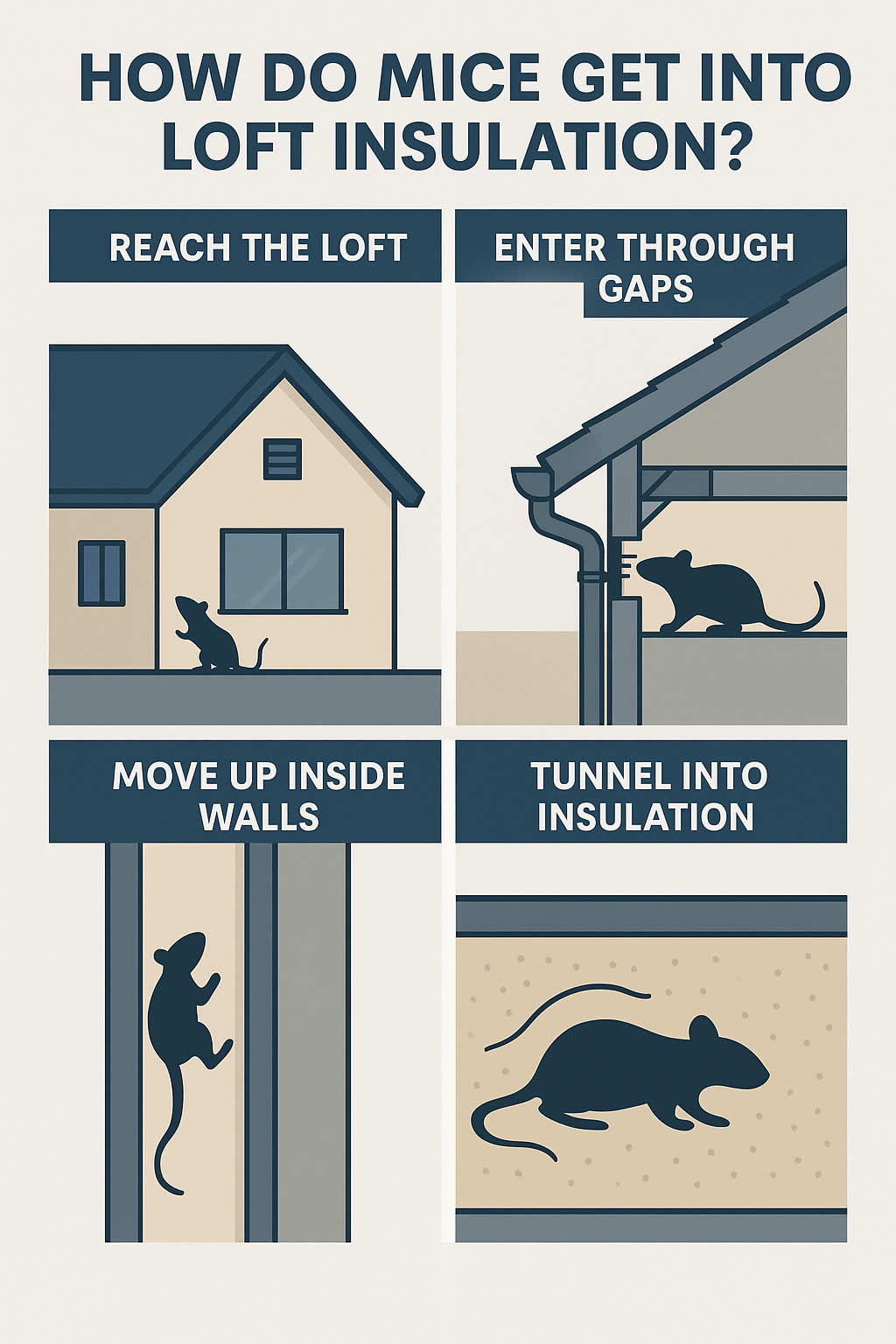
Nests are typically placed in sheltered, warm and hidden locations. Indoors, these may be under appliances, behind walls, in loft insulation or in voids beneath floorboards. Outdoors, nests may be concealed in compost piles, dense vegetation, sheds or burrow systems.
The presence of multiple nest sites can indicate a well‑established colony.
Adult Stage: Colony Establishment and Routine Activity
Once rats reach adulthood, behaviour stabilises into routine patterns. Adult rats establish familiar routes between food, water and shelter. These routes, known as run‑lines, become visible over time due to rubbed surfaces, compacted soil or repeated foot traffic.
Adults communicate using scent trails and body language. They remain cautious and alert, often retreating quickly if disturbed. They are capable of climbing, swimming and squeezing through very small gaps.
Adult rats also show strong learning ability. They remember food sources, recognise traps that have previously been sprung, and adapt to changes in their environment. This behavioural flexibility is a key factor in their survival.
Decline and Replacement
Rats live relatively short lives. Many wild rats live for around a year, though individuals in sheltered indoor environments may live longer. Predation, disease, competition and environmental conditions all influence longevity.
However, the short life span is balanced by rapid reproduction. As older individuals decline, new juveniles replace them. This constant renewal is what gives rat populations their resilience.
If control measures remove adult rats but leave nests and food sources intact, new individuals replace the removed rats quickly. This is why effective rat management must address the entire life cycle, not just visible activity.
Environmental Influence on the Life Cycle
The rat life cycle speeds up or slows down depending on conditions. Factors such as:
- Temperature
- Food supply
- Water access
- Shelter security
- Population density
All influence the rate at which rats reproduce and mature. Warm environments with abundant food allow for faster breeding and colony expansion. Cold environments, food scarcity, or frequent disturbance slow the life cycle.
This is why rats inside homes, stables or food storage buildings reproduce faster than rats outdoors.
How Seasons Affect Rat Activity
In summer, more natural food is available and rats spread widely across gardens and outdoor spaces. In winter, activity shifts indoors as rats seek warmth and shelter. Breeding slows outdoors but continues indoors where temperatures remain stable.
You may notice:
- Increased garden sightings in warmer months
- Increased loft or kitchen activity in colder months
- Shifts in run‑lines and nest placement throughout the year
Seasonal changes in behaviour reflect adaptations to survival.
Colony Expansion and Movement
Rats do not remain in one place permanently unless conditions are consistently favourable. Colonies expand into new spaces when food increases or retreat when conditions decline.
They may create connected territories, linked by tunnels or run‑lines. They may also form satellite nests, especially in large buildings or gardens. One nest may house breeding females, while others serve as feeding or resting points.
If one nest is removed or disturbed, rats can relocate quickly.
Rat Life Cycle and Control Strategies
To address a rat problem effectively, control must target multiple points of the life cycle.
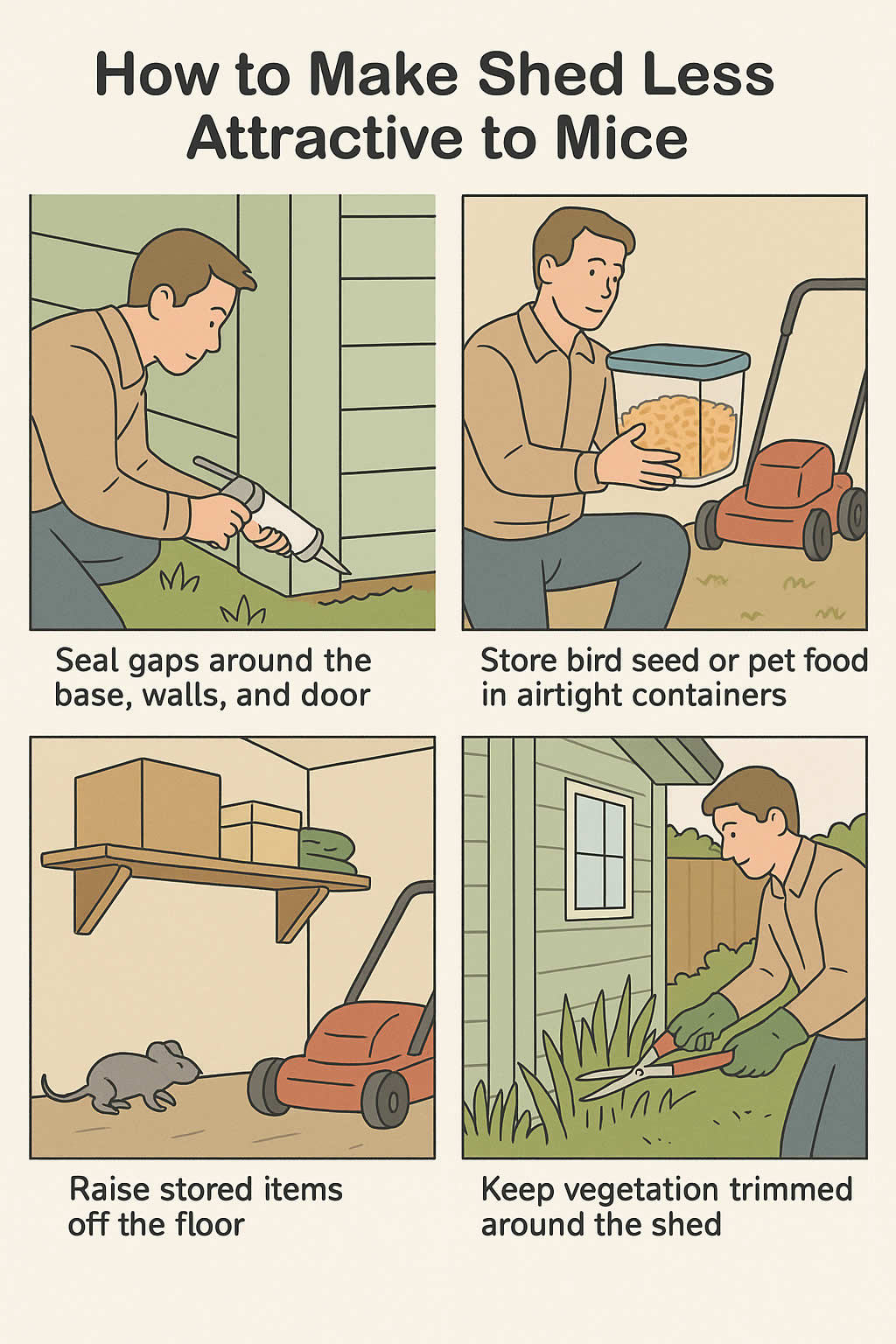
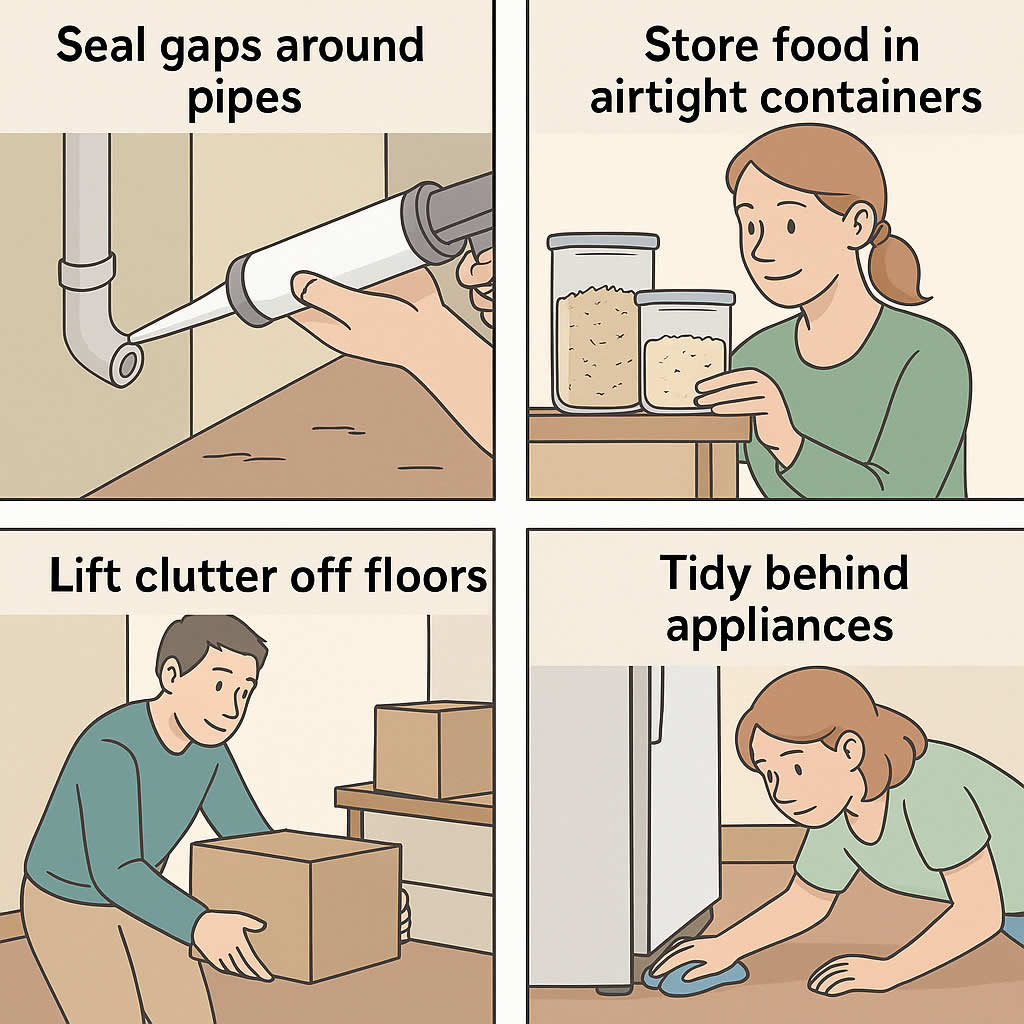
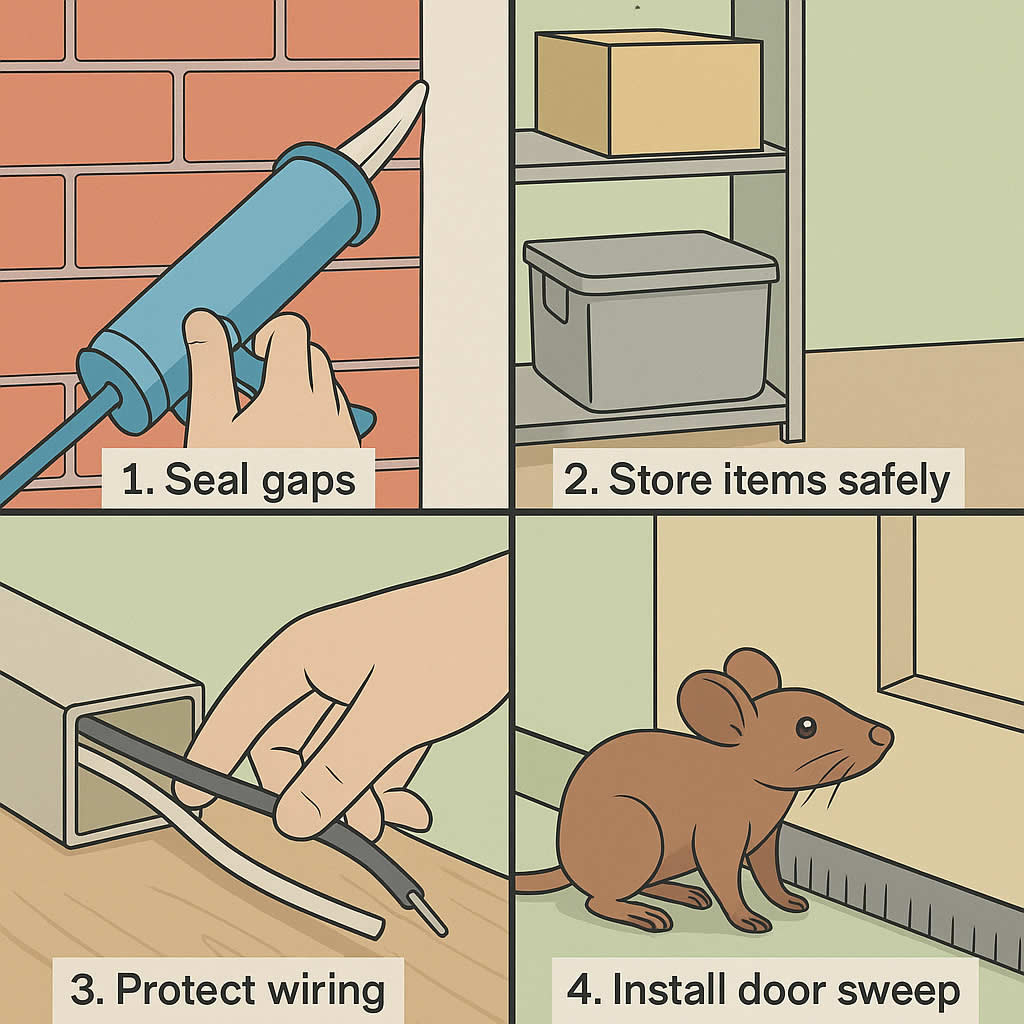
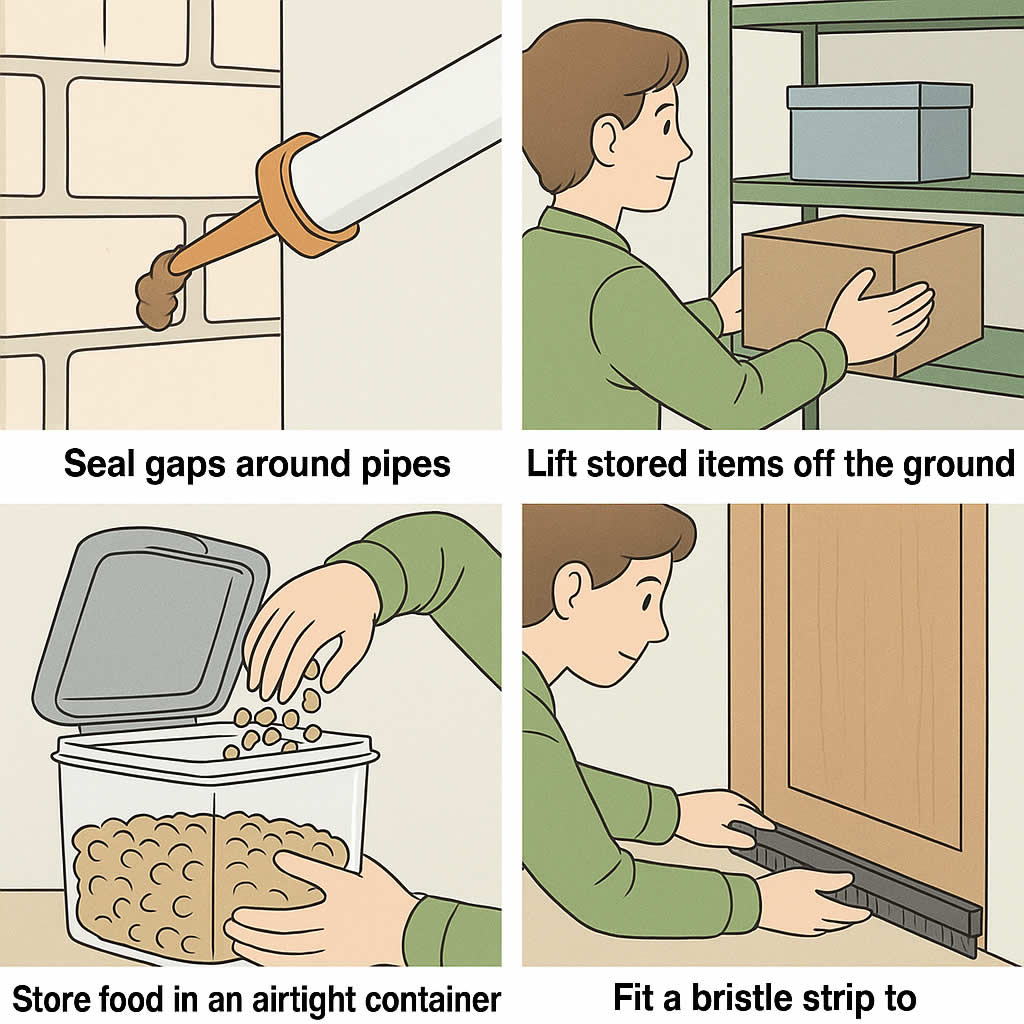
- Remove food: Secure bins, clear dropped seed, store feed in sealed containers.
- Remove water: Fix leaks, clear standing water, drain trays and containers.
- Disrupt shelter: Clear clutter, seal entry points, prune dense vegetation.
- Break movement routes: Block access through gaps, cavities and fence lines.
- Use traps strategically: Place along run‑lines, not at random.
These steps reduce the colony’s ability to breed and stabilise.
Recognising When the Life Cycle Has Been Interrupted
Signs that control measures are working include:
- Fewer droppings over time
- Reduced noise at night
- Smaller or less frequent sightings
- Abandoned run‑lines
- Nest relocation or silence in previously active areas
Changes occur gradually, not instantly. Consistency is key.
Key Points to Remember
- Rats reproduce quickly, reaching maturity within weeks.
- A single pair can lead to large populations when food and shelter are available.
- Effective control targets the whole life cycle, not just visible individuals.
- Seasonal patterns influence where rats settle and breed.
- Consistent action disrupts the life cycle and reduces long‑term presence.
Understanding the rat life cycle turns a hidden problem into a manageable one. By recognising each stage and the conditions that support it, you can prevent colonies from establishing, reduce their growth and keep living spaces safer and cleaner over time.