Related Queries
ToggleYou probably use your shed as a quiet, practical space for tools, storage boxes, or garden equipment. It’s a place you don’t think about often, which is why it feels unsettling when you spot signs that mice have moved in. A few droppings, shredded material, or faint scratching can make you wonder what brought them there in the first place.
Knowing what attracts mice to your shed helps you take control of the situation calmly. When you understand the reasons they choose sheds over other spaces, you can prevent future problems, protect your belongings, and feel more confident about maintaining your garden buildings throughout the year.
This guide explains the behaviours that draw mice into sheds, highlights the seasonal triggers, and shows you the simple changes that make your shed far less inviting.
What Attracts Mice to Your Shed?
What attracts mice to your shed comes down to warmth, shelter, food sources, and easy access. A shed gives mice a quiet, undisturbed place to nest, especially when the weather changes. Because sheds often sit close to vegetation, compost bins, or gardens, they naturally become part of a mouse’s territory.
Sheds offer everything mice look for: tiny gaps, wooden structures they can climb, natural materials to nest in, and a safe place where predators rarely appear. Even if there’s no food stored inside, the environment itself is appealing. Many homeowners discover mice in sheds long before seeing them near the house, simply because sheds feel safer and quieter for nesting.
Once mice sense warmth or find materials they can shred, they quickly settle in. And because they can squeeze through holes smaller than a centimetre wide, a shed doesn’t need large gaps to become accessible.
Why Mice Choose Sheds as Nesting Sites
Why mice choose sheds as nesting sites is linked to how sheds mimic natural shelters. Outdoors, mice nest in hedgerows, burrows, log piles, and dense vegetation. A shed offers the same protective qualities but with more stability.
A shed is dry, insulated, and protected from wind, rain, predators, and sudden temperature changes. Mice instinctively seek these conditions, especially in autumn and winter. Once inside, they gather materials such as cardboard, fabric, old newspapers, or plant matter to build a nest deep in a corner or behind stored items.
Sheds stay undisturbed for long periods, which encourages mice to settle long-term. Even if you visit your shed occasionally, it still feels like a safe environment for a mouse looking to raise young or escape the cold. Because mice reproduce rapidly, a small nesting site can turn into a larger problem if left unnoticed.
How Clutter Attracts Mice to Your Shed
How clutter attracts mice to your shed relates to how clutter creates sheltered hiding places and warm pockets of space. Mice prefer environments where they can move unseen, using tight routes and dark corners to stay safe.
Clutter offers:
- Low-visibility hiding spots
- Nesting materials mice can shred
- Warmth trapped between boxes and items
When items are stacked, left on the floor, or pushed against walls, they create runways and nesting cavities. Mice use these concealed routes to travel safely around the shed without crossing open floor areas. If cardboard boxes are present, they are even more appealing, as mice chew and shred them easily.
A tidy shed feels exposed to a mouse. An untidy shed feels secure. This simple difference is why organising your shed makes such a noticeable impact on reducing mouse activity.
Why Food Sources Attract Mice to Your Shed
Why food sources attract mice to your shed is straightforward: mice are opportunistic feeders with highly sensitive senses of smell. Even small amounts of stored food can draw them in quickly. Many sheds hold items that humans don’t consider food but mice do.
These may include:
- Bird seed
- Pet food
- Grass seed
- Bulbs and stored garden produce
- Compost or decaying plant matter
The scent of seed mixes in particular is extremely attractive to mice. If you store them in thin bags, the aroma travels easily. Mice gnaw through packaging effortlessly, often leaving shredded plastic or scattered seed behind.
Even if you don’t store food, rubbish bags, recycling, or leftover packaging can still provide scent cues. Mice investigate anything that smells edible, even faintly. Sheds become perfect feeding grounds because they are sheltered, quiet, and rarely monitored closely.
How Weather Conditions Increase Mouse Activity in Sheds
How weather conditions increase mouse activity in sheds depends on seasonal changes. Mice react strongly to shifts in temperature, moisture, and food availability. When the weather becomes unpredictable, sheds become some of the safest places for them to relocate.
In autumn, as temperatures drop and natural food sources decline, mice actively search for new shelter. Sheds become extremely attractive because they offer stability that outdoor spaces lack. First cold snap? That’s when many mice decide to enter.
In winter, rain, frost, and strong winds push mice to remain indoors. A shed holds heat more effectively than an exposed burrow or nest under decking. This is why winter sightings spike around sheds, garages, and outbuildings.
In summer, sheds can attract mice when debris builds up, when grass grows tall around the building, or when outdoor activities create new food smells. While summer activity is lower, it still happens if sheds remain cluttered or easy to access.
Why Gaps and Holes Attract Mice to Your Shed
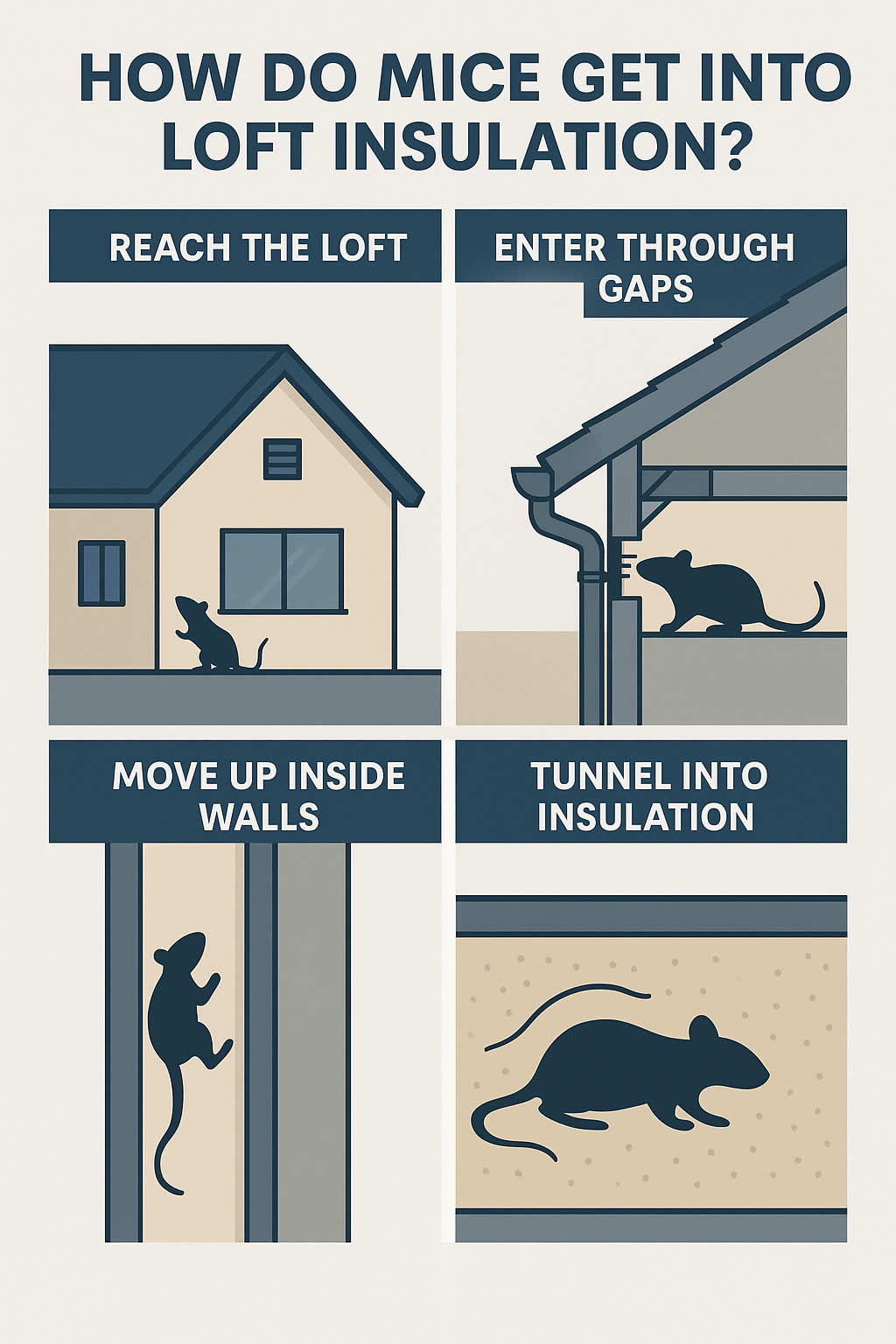
Why gaps and holes attract mice to your shed is linked to their natural ability to squeeze through extremely small spaces. A mouse only needs a 6–7mm gap to enter, roughly the size of a pen. Sheds often have structural weaknesses that form over time, such as:
- Gaps between timber panels
- Spaces under doors
- Cracks along the shed base
- Loose roofing felt
- Warped wooden frames
These tiny points of entry create perfect access routes. Mice don’t need to force their way in; they simply follow gaps they find while exploring. Once inside, they widen the openings slightly through gnawing, making it even easier to travel in and out.
The more natural light that leaks through a shed wall, the more entry points likely exist. If mice sense warm, sheltered air escaping from a shed, they’ll investigate it quickly.
What Smells Attract Mice to Your Shed
What smells attract mice to your shed includes both food-related scents and environmental smells that suggest safety. Mice rely heavily on scent to choose nesting sites because it helps them detect opportunities and avoid predators.
Common scent attractants include:
- Seed mixes and grains
- Compost with food scraps
- Old gardening gloves with soil scent
- Stored produce
- Rubbish or recycling
- Fabric or stored clothing that carries a warm smell
Even damp wood or decaying plant matter can attract mice because it suggests a stable, sheltered environment. If a shed smells like soil, vegetation, or old wood, mice interpret it as a natural extension of their habitat.
Sheds containing mop buckets, fertiliser, or chemical odours may still attract mice because these smells don’t deter them as strongly as people assume.
Why Mice Stay in Sheds Once They Enter
Why mice stay in sheds once they enter is tied to comfort and opportunity. Once a mouse finds a place that offers warmth, stability, and safety, it rarely gives it up voluntarily. Sheds offer a predictable environment free from outdoor dangers such as cats, foxes, birds of prey, and harsh weather.
Inside a shed, mice find:
- Multiple hiding places
- Nesting materials
- Quiet surroundings
- Access to garden pathways
- A stable temperature
If a shed also contains food, even in small amounts, it becomes the perfect home base. Mice don’t need much—crumbs, scattered seeds, or leftover packaging provide enough.
Because mice leave scent trails, one mouse entering a shed often attracts others. These pheromones create a reliable path to food, warmth, and safety, strengthening the likelihood of long-term activity.
How Mice Travel to Your Shed and Why Paths Form
How mice travel to your shed and why paths form is linked to their daily routines. Mice navigate gardens through predictable routes, using cover and structural lines for protection. They rarely cross open spaces unless necessary.
Sheds usually sit close to:
- Fences
- Compost heaps
- Garden borders
- Decking
- Bushes or shrubs
These features create natural pathways. As mice repeatedly use the same routes, they form scent trails that draw in even more mice. A shed becomes part of their nightly territory, especially when it sits between food sources and safe shelter.
When vegetation grows tall around the shed, it becomes even more attractive. Long grass hides movement, protects mice from predators, and offers a natural corridor leading straight to the shed walls.
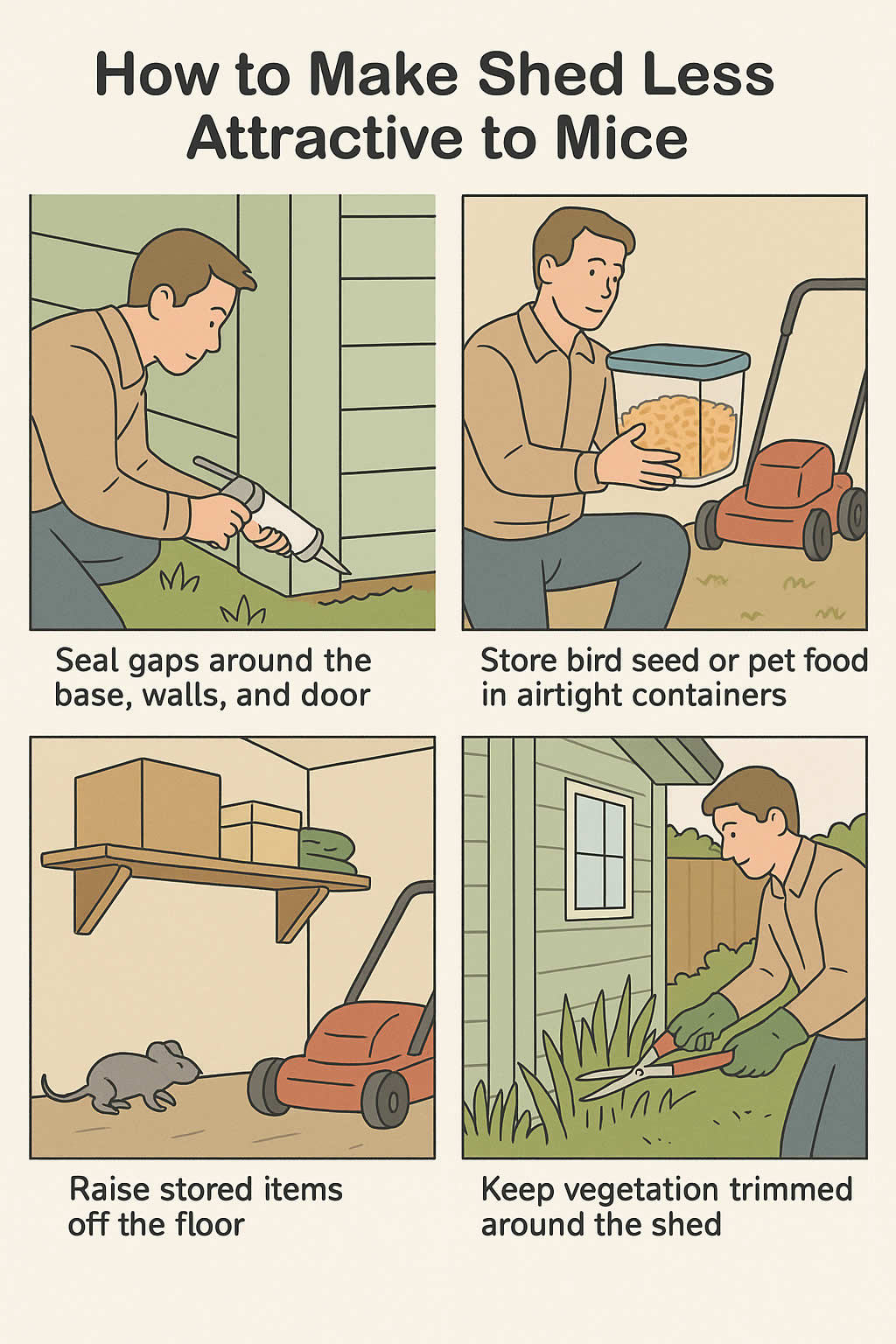
How to Make Your Shed Less Attractive to Mice
These steps help you reduce attractants, improve the structure of your shed, and create an environment that mice are less likely to settle in.
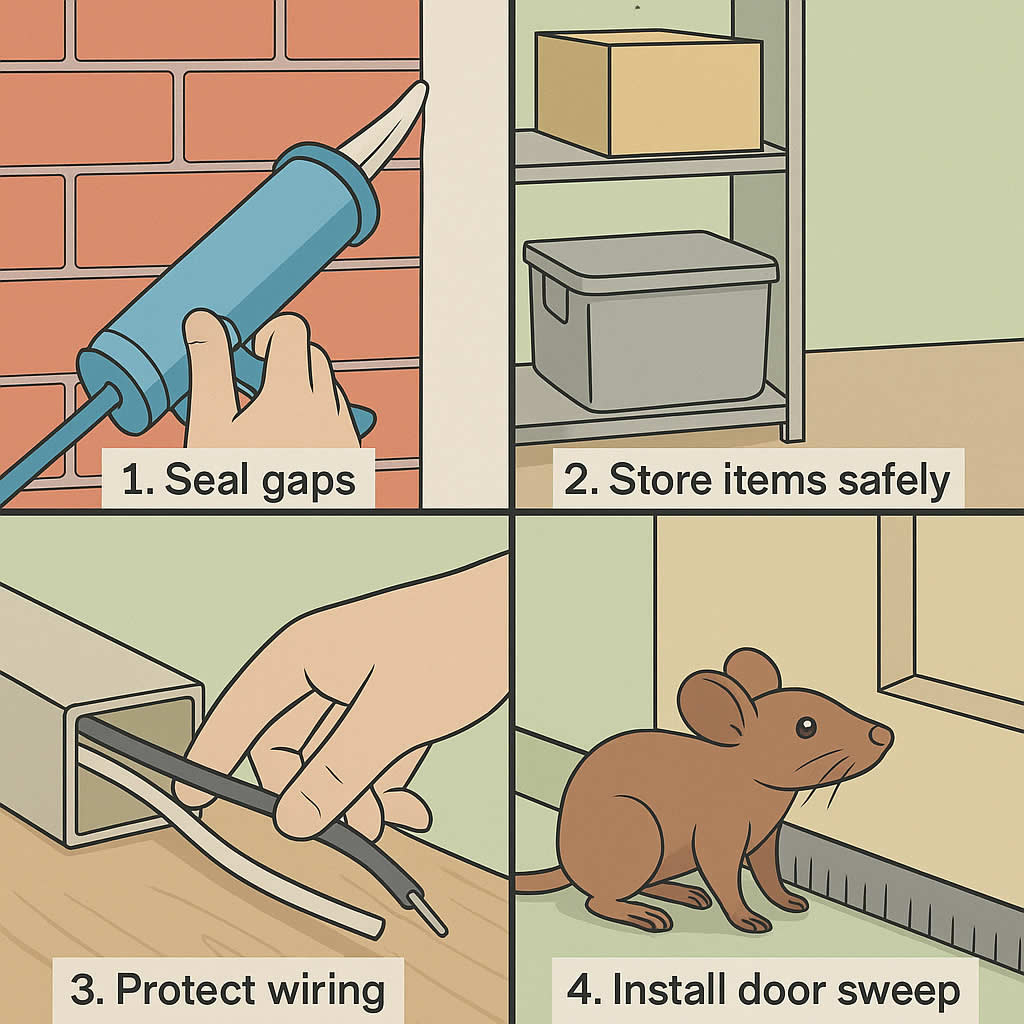
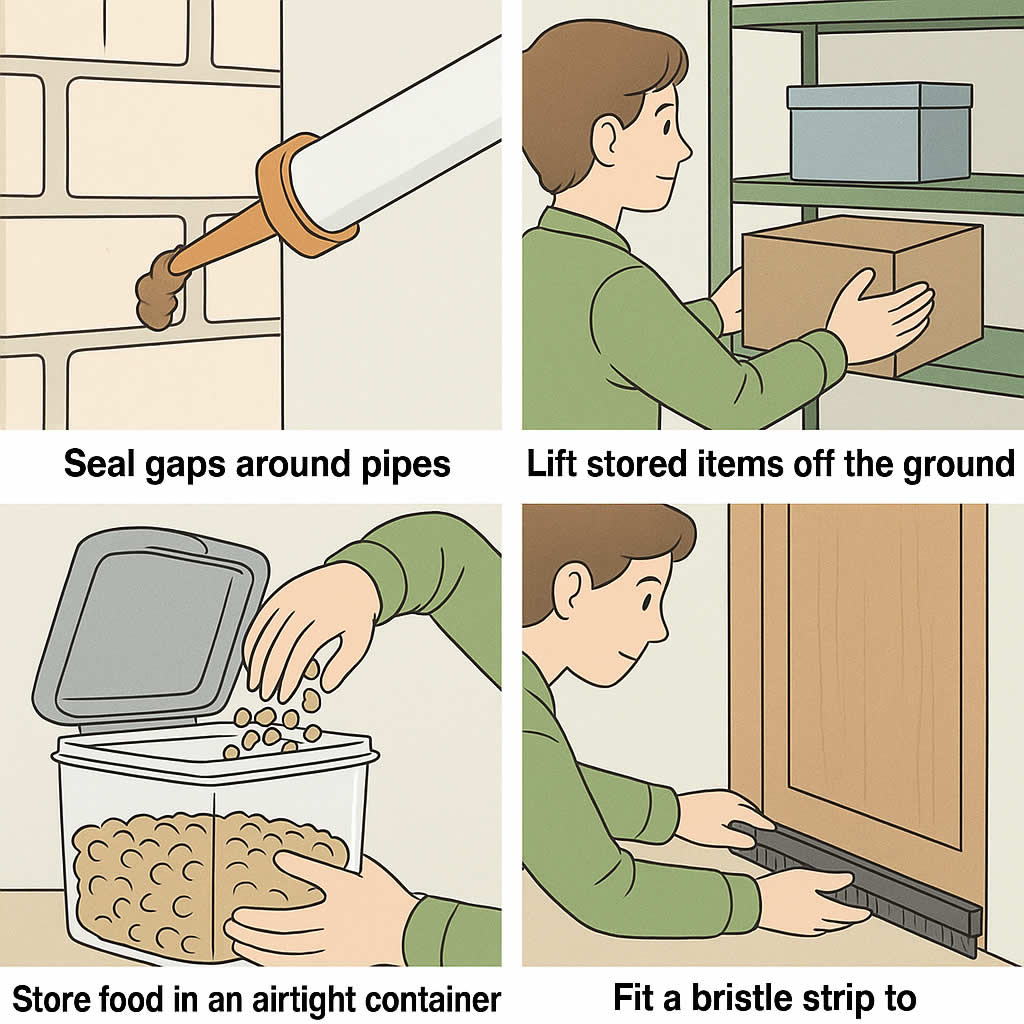
- Seal gaps around the base, walls, and door using strong filler or rodent-resistant materials.
- Replace thin food bags with airtight plastic containers to block scent leakage.
- Raise stored items off the floor so mice have fewer sheltered hiding places.
- Keep vegetation trimmed around the shed to remove natural runways.
- Store bird seed or pet food outside the shed or use thick, chew-proof tubs.
- Sweep the shed regularly to remove crumbs, plant matter, and debris.
- Organise tools, boxes, and belongings so mice cannot create nests behind them.
- Repair damaged panels, warped timber, or loose roofing felt to block access.
Following these small steps makes a significant difference by interrupting mouse behaviour and reducing the factors that encourage them to stay.
Why Sheds Become More Attractive During Autumn and Winter
Why sheds become more attractive during autumn and winter relates to the seasonal decline in outdoor food and safe nesting spots. As temperatures drop, mice seek places where warmth is trapped naturally. Timber sheds hold heat better than exposed nesting spots outdoors, making them prime locations for winter shelter.
Autumn brings the first changes. Mice start scouting new environments, testing cracks and openings in outdoor structures. Your shed becomes part of this search. Once the first cold nights arrive, their instinct pushes them indoors quickly.
In winter, sheds stay warmer than garages or open structures because wood insulates heat. Mice feel safe building nests under stored items, within corners, or behind tools. This seasonal behaviour is why many homeowners notice sudden mouse activity in outbuildings just after a frost.
Why Garden Layout Affects Shed Mouse Activity
Why garden layout affects shed mouse activity comes down to how easy it is for mice to reach the shed without exposure. Mice avoid open spaces because they’re vulnerable in the open.
If your garden includes:
- Dense borders
- Overgrown shrubs
- Compost piles
- Raised beds
- Patio furniture
- Long grass
These features create sheltered corridors that guide mice naturally toward your shed. Even beautiful garden features can unintentionally provide cover. For example, decorative stones, log piles, and rockeries attract insects, which attract mice, which then explore the nearby shed.
A shed that sits in a quiet corner surrounded by vegetation is far more appealing to mice than one placed in an open, tidy area.
Our Final Say!
Understanding what attracts mice to your shed helps you regain a sense of control over your garden and outdoor buildings. Sheds naturally appeal to mice because they offer safety, warmth, and shelter, especially when the weather changes or food becomes scarce. Once you see sheds through the eyes of a mouse, the behavioural pattern becomes clear.
With a few practical changes—tidying clutter, sealing gaps, improving storage, and managing the surrounding area—you make your shed far less inviting. The aim isn’t to fear the behaviour but to understand it well enough to prevent it.