When you see ants marching in a line across your kitchen floor or popping up under a paving slab, it’s easy to forget they all came from a single place — the queen. She’s the one responsible for the entire colony’s growth. But how many eggs does a queen ant actually lay? The answer isn’t just fascinating — it’s surprisingly important if you’re trying to understand or deal with an infestation.
It turns out that depending on the species, the season, and the size of the colony, a queen ant can lay anywhere from a few dozen to several thousand eggs a day. Over her lifetime, that might add up to hundreds of thousands. In some cases, the numbers are even higher. So let’s break this down — how it works, what affects the numbers, and why it matters when you’re dealing with ants in your home or garden.
What Affects the Queen’s Egg-Laying Ability?
Several factors control how many eggs a queen can produce. It’s not the same every day, and not all ant species behave in the same way.
- Species – Different ant species have different laying capacities. A black garden ant queen, for example, won’t lay as many eggs as a leafcutter queen from the tropics.
- Colony maturity – A newly mated queen starts slow. She lays a small clutch and raises them herself. Once she has workers to help, things pick up.
- Food supply – More food means more energy for the colony. If workers can bring back enough sugar and protein, the queen will keep laying steadily.
- Temperature – Ants are sensitive to their environment. Warmer weather speeds up development, leading to more eggs. Cold slows everything down.
So while one queen might only lay a few dozen eggs in her early days, that number can jump dramatically when the conditions are right.
How Many Eggs Per Day Can a Queen Ant Lay?
This is where things get impressive. In peak conditions, the queen of a mature colony can lay hundreds or even thousands of eggs in a single day.
- Typical indoor nuisance ants (like black garden ants or pharaoh ants) might produce between 50–300 eggs a day per queen.
- Highly productive species, including some tropical ants, have queens that lay over 1,000 eggs per day.
- Extreme cases – The army ant queen holds the record, capable of laying around 3,000 to 4,000 eggs per day.
Of course, you’re unlikely to see army ants in the UK, but even common household ants can produce enough to cause a noticeable explosion in numbers.
What Do Ant Eggs Look Like?
Ant eggs are tiny — often no bigger than a speck of dust. They’re usually white or off-white and oval-shaped. If you ever see a cluster of small white dots underneath a slab, brick, or plant pot, you’re likely looking at a nursery. Sometimes these are mixed with larvae (which are slightly bigger and curled) or pupae (which might be in thin silk-like cocoons depending on the species).
Want to take a closer look? We’ve explained more in this post about what ant eggs look like.
When Does a Queen Lay the Most Eggs?
The queen’s output follows the seasons. Here in the UK, egg-laying usually peaks during the late spring and summer, when there’s more heat and food around. In homes with central heating, however, ants can remain active much longer, even through winter.
- Spring – As temperatures rise, egg-laying starts again.
- Summer – Peak production. Queens lay more, and development speeds up.
- Autumn – Laying begins to taper off unless indoor warmth keeps conditions favourable.
- Winter – Outdoor colonies go dormant, but indoor ones might still produce in warm areas like kitchens or airing cupboards.
How Long Does It Take for an Egg to Become an Ant?
The journey from egg to adult ant varies, but generally:
- Egg to larva – A few days.
- Larva to pupa – Around 7–14 days.
- Pupa to adult – Another 10–14 days.
So, in ideal conditions, a queen could lay an egg that becomes a worker ant in about 3–4 weeks. That’s fast — and it’s one reason why infestations can grow quickly if left unchecked.
Can One Queen Produce an Entire Colony Alone?
Yes — that’s exactly what happens when a new queen starts a colony after her mating flight. She’ll lay a small batch of eggs, care for them herself, and wait for the first workers to mature. Once they do, they begin foraging, feeding her, and taking over brood care, allowing her to focus solely on laying more eggs.
From there, colony growth can snowball. In the space of a few months, a nest might go from a single queen and no workers to thousands of ants — especially if conditions stay warm and food is easy to find.
How Do You Know If a Queen Is Still Laying?
Even if you can’t see the queen, you can usually tell she’s still active by watching the colony:
- Ants are foraging constantly and forming trails.
- You find fresh eggs or larvae when you disturb a nest.
- You notice rapid growth or repeated reappearances after treatment.
If food is plentiful and trails are growing, it’s a sign the queen is producing steadily. A sudden drop in activity, on the other hand, may indicate the colony’s under stress — or that a queen has died or been removed.
How to Slow Down or Stop Egg Production
If you’re trying to get rid of ants, reducing egg production is key. Without new ants replacing the old, the colony can’t sustain itself. Here’s how to target that cycle.
How To Slow Ant Egg Production:
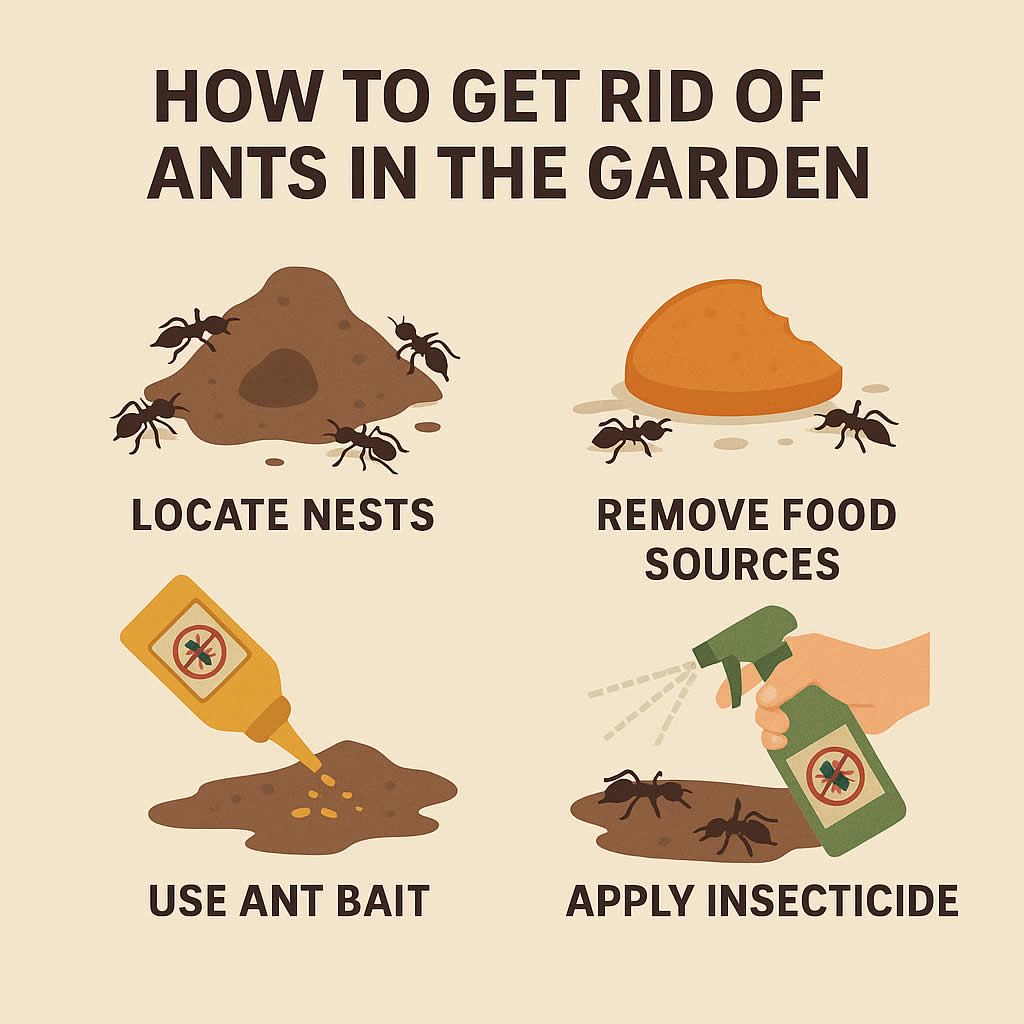
- Clean up food sources — sugar, fruit, crumbs, and pet food are all magnets for ants.
- Use protein-based and sugar-based baits — ants take these back to the nest, targeting the queen.
- Block entry points — seal cracks, fill gaps around pipes, and use door sweeps.
- Control moisture — leaking taps or damp areas attract ants and help the colony thrive.
- Tidy outdoor areas — trim plants, clear fallen fruit, and move bins away from walls.
If the colony can’t feed the queen properly, she’ll slow down or stop laying altogether.
How Many Eggs Are in a Nest at One Time?
Depending on the stage of the colony and the queen’s health, a nest might contain anywhere from a few dozen to several thousand eggs at any given time. Larger nests with more than one queen (as some species have) might hold tens of thousands across eggs, larvae, and pupae combined.
That’s why even a small trail of ants inside your home can point to a much bigger operation hidden out of sight.
Can There Be More Than One Queen?
Yes, some ant species are polygyne, meaning they have multiple queens in the same colony. This can make an infestation harder to control because even if you eliminate one queen, the others keep the nest going.
If you suspect this, you’ll need to be persistent with baiting and make sure treatments reach deep into the colony — not just the workers you can see.
Key Takeaway: The Queen Is Always Working
When ants appear suddenly and in large numbers, it can feel like they came from nowhere. But behind the scenes, a queen has been working steadily, laying eggs every day, waiting for conditions to line up just right.
By understanding how and when she lays, you can predict surges in activity — and get ahead of them with proper control measures.
If ants are taking over your home or garden, cutting off the queen’s ability to reproduce is the most effective long-term solution.
Need Help with an Ant Infestation?
If you’ve tried cleaning, baiting, and blocking — but ants keep coming back — we’re here to help. Visit our website for expert advice, and explore more helpful guides like:
- Clear ants from the garden
- Where flying ants come from
- Colours that attract ants
Explore the blog for more science-backed tips and real-world pest control solutions.