Related Queries
ToggleBluebottle flies are hard to ignore. They’re loud, metallic blue, and they seem to appear from nowhere, especially around kitchens, bins, loft hatches and sunny windows.
The important point is this: adult flies are only the visible part of the problem. If bluebottles keep returning, something is feeding them or attracting them. That might be a kitchen bin, a dead mouse under floorboards, pet waste in the garden, a blocked drain, or meat packaging left too long in warm weather.
Property type, hygiene, access points, weather and the size of the infestation all change the best solution. A tidy flat with one missed food tray needs a different plan from an older house with open air bricks, a loft void and rodent activity.
How to Identify Bluebottle Flies Quickly
Bluebottle flies are blow flies, usually from the Calliphoridae family. The common UK bluebottle, often linked with the name Calliphora vomitoria, has a shiny blue or blue-green body, red eyes and a strong buzzing flight. The blow fly family overview describes their close association with decaying organic material.
They’re larger than common house flies and more strongly attracted to meat, fish, carcasses, faeces and wet food waste. You’ll often see them hitting windows because they move towards light once they’re indoors.
On home inspections, the missed sign is usually not the fly itself. It’s the smell. A faint rotten odour near a fireplace, loft hatch, kickboard, drain or wall void can be more useful than counting flies.
- Adult flies: shiny metallic blue, loud, slow to settle.
- Eggs: pale clusters laid on suitable organic material.
- Maggots: cream-coloured larvae found in food waste, bins or carcasses.
- Pupae: brown, capsule-like cases near the breeding source or in dry cracks nearby.
Why Bluebottles Are Suddenly in Your Home
A sudden burst of bluebottles usually means adults have emerged from a nearby breeding site. In warm weather, eggs can hatch quickly, and larvae can develop fast when food is moist and protein-rich.
Spring to early autumn is the main season, although heated homes can support activity at awkward times of year. After rodent treatment, storms, building work or bin collection delays, bluebottle problems can also flare up.
| What you see | Likely cause | Fastest action |
|---|---|---|
| Many flies at one window | They emerged indoors and moved to light | Vacuum adults, then search nearby voids |
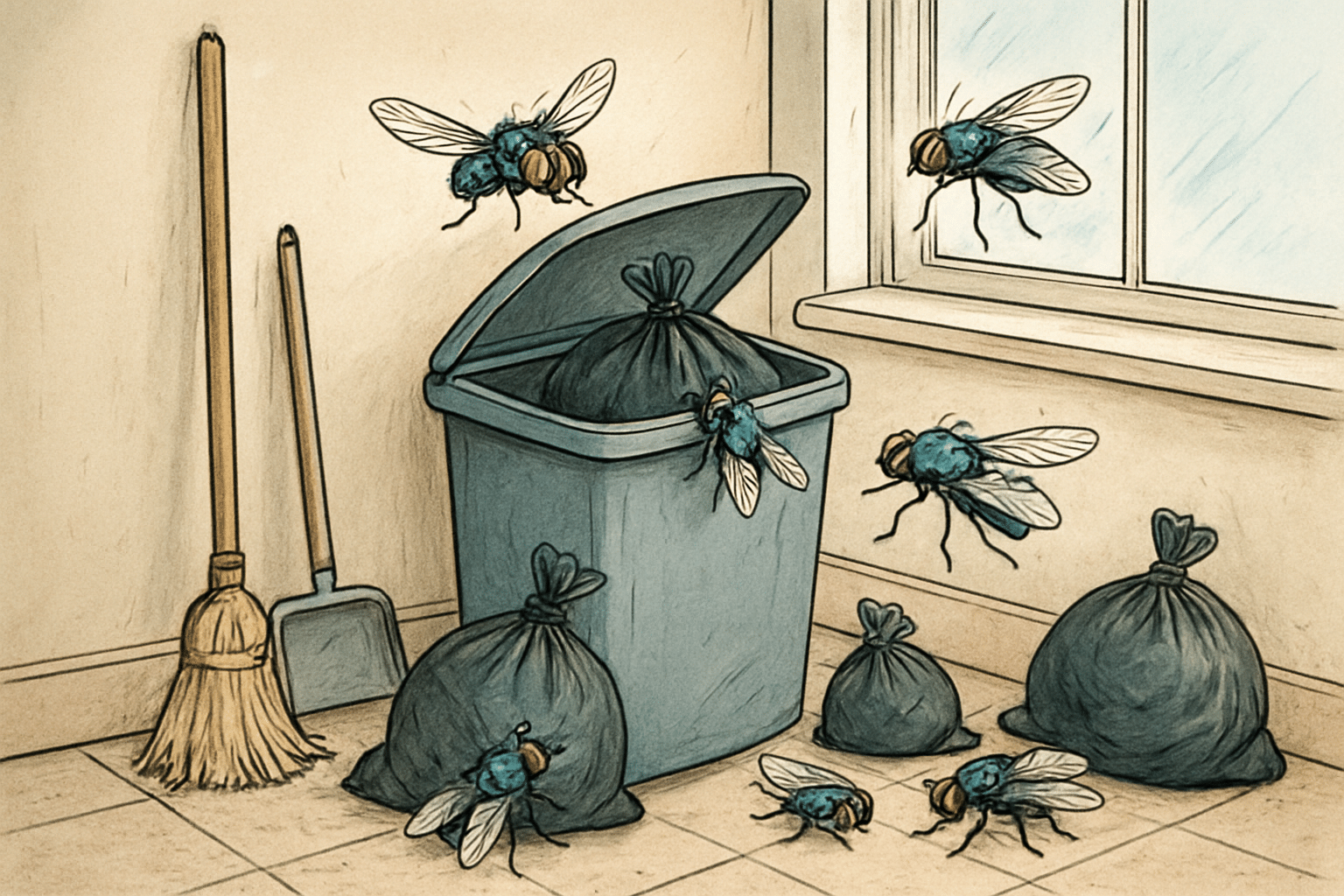
| Flies around bins | Meat, fish, nappies or pet food waste | Bag waste, wash bin, dry the base |
| Flies in one room only | Dead rodent or bird in a void | Trace odour and inspect access points |
| Maggots on floor | Larvae leaving food source to pupate | Remove source, clean, monitor edges |
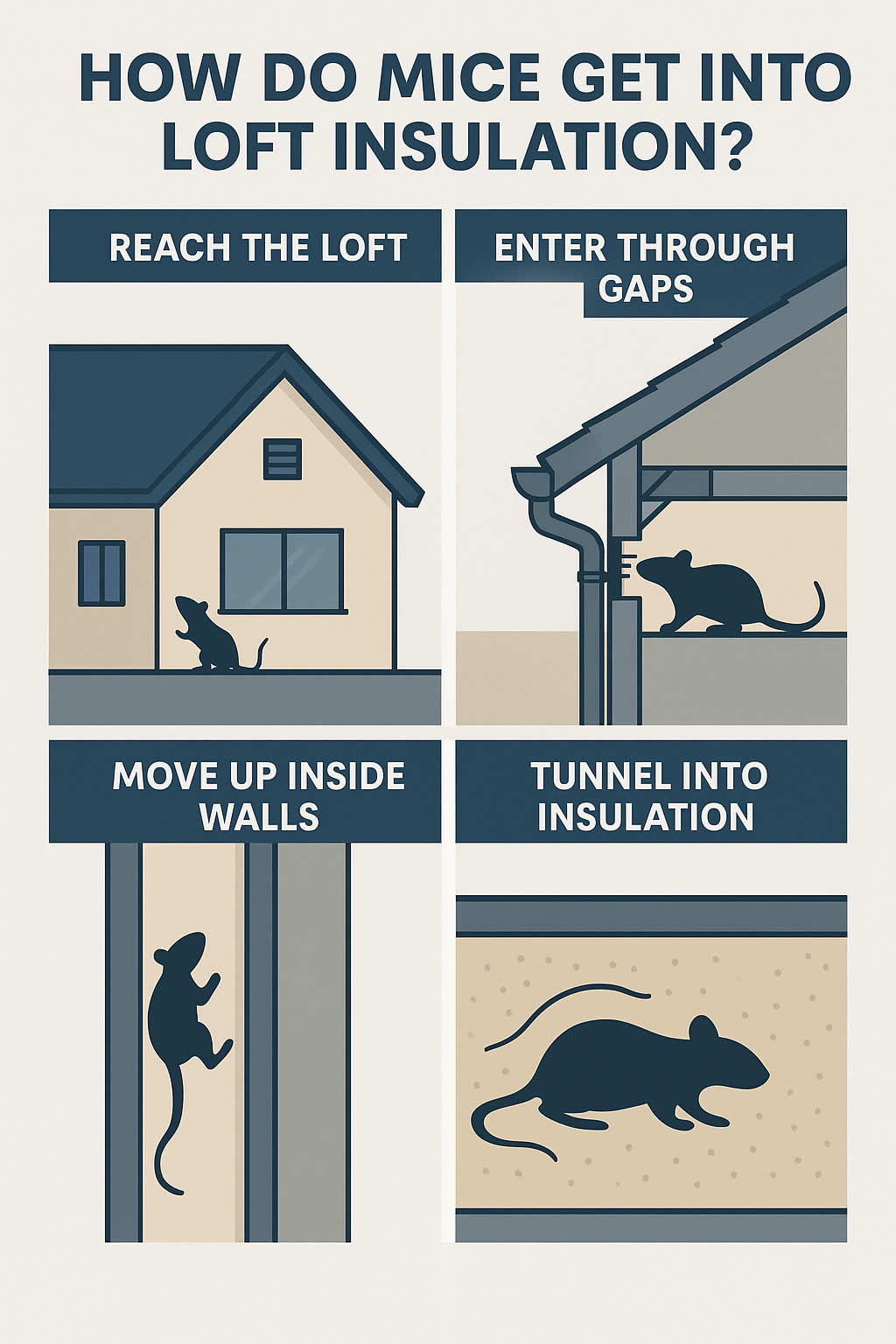
If the problem is linked to rodents, don’t just treat the flies. Find how rodents entered. Gaps around pipes, damaged vents and broken air bricks are common in older properties, including homes needing pest control services in Buckinghamshire where mixed rural and suburban settings can increase rodent pressure.
Preparation Guide Before You Start
Start with a proper check. Rushing straight to spray often leaves the source untouched, which means more flies a few days later.
What to check: kitchen bins, outside wheelie bins, recycling tubs, pet bowls, litter trays, compost caddies, under appliances, drains, loft spaces, chimney breasts, fireplaces, air vents, roof voids and any room with a persistent smell.
Safety considerations: wear disposable gloves when handling contaminated waste, avoid touching maggots or carcasses with bare hands, keep children and pets away, and never mix cleaning chemicals. If you use insecticide, read the label fully and use it only where permitted.
Food hygiene matters here. The Food Standards Agency cleaning advice is useful for understanding why cleaning surfaces, utensils and food contact areas properly matters after fly activity.
Tools and materials:
- Disposable gloves and bin bags
- Vacuum cleaner with disposable bag or emptyable cylinder
- Bucket, hot water and detergent
- Disinfectant suitable for the surface
- Fly screens or fine mesh for vents
- Sealant, wire wool or repair mesh for gaps
- Sticky fly papers or UV fly unit for monitoring, where appropriate
Preparation steps: remove exposed food, cover fish tanks, move pet bowls, clear clutter near the suspected source and open safe access to lofts, cupboards or utility areas. If a technician is visiting, mention any smells, dead rodents, recent building work and where flies are most active.
Main Instructions: Fast, Safe Removal
1. Remove adult flies first. Use a vacuum rather than chasing them with aerosol sprays. Empty the vacuum outside immediately, especially if live flies are inside. This gives instant relief and helps you see whether more are emerging.
2. Find the breeding source. Follow the smell, the concentration of flies and the room pattern. Bluebottles at a landing window may have emerged from the loft. Flies in a kitchen often point to bins, drains or food packaging. Don’t forget the simple stuff — one leaking bin bag can cause a lot of activity.
3. Remove contaminated material. Double-bag waste and take it outside. If there’s a dead bird or rodent, use gloves and tools, not bare hands. If it’s inaccessible under floors or inside a wall, professional help may be needed because cutting into structures without knowing the source can make things worse.
4. Clean and dry the area. Wash with hot water and detergent first, then disinfect if the surface allows it. Dryness helps. Maggots need suitable moisture and food; taking both away breaks the cycle.
5. Use traps for monitoring. Sticky papers and UV fly units can reduce adults, but they don’t remove the cause. They’re best used after cleaning, so you can tell whether the population is dropping.
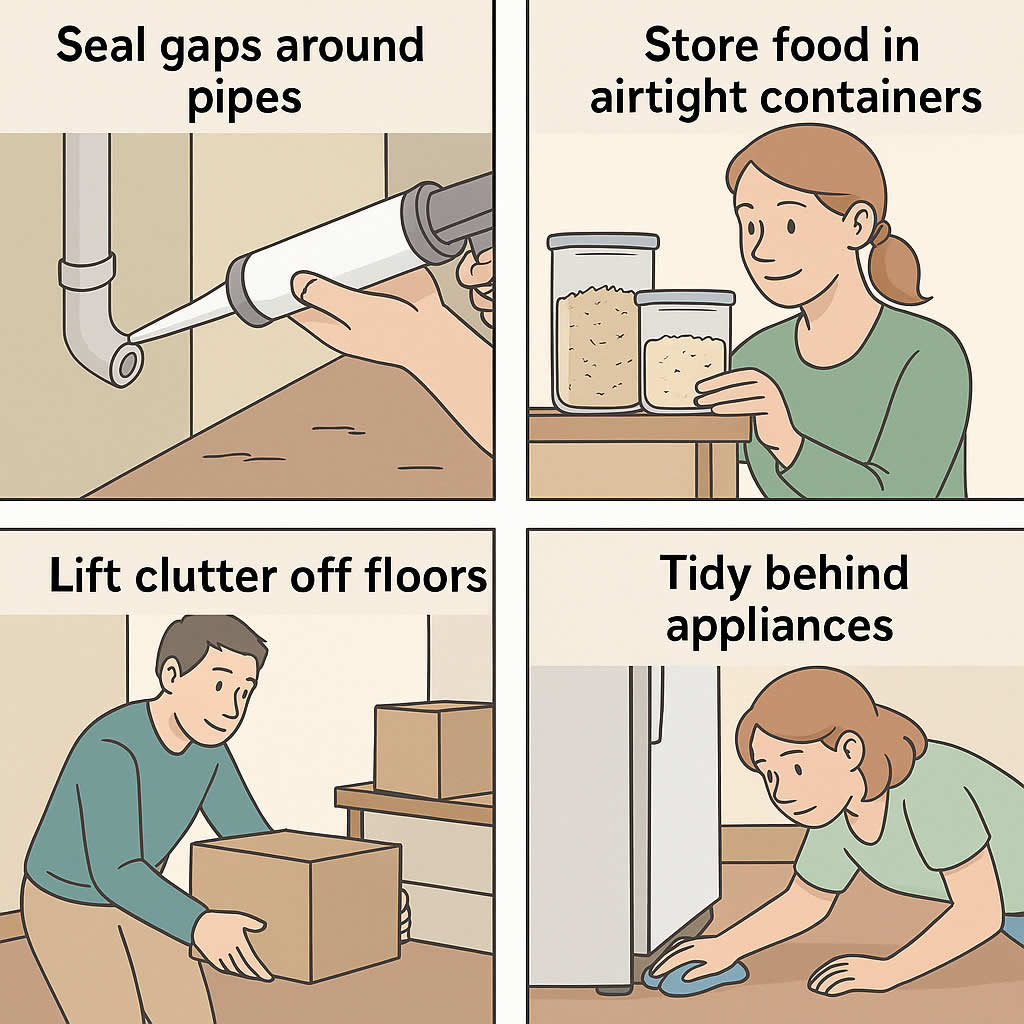
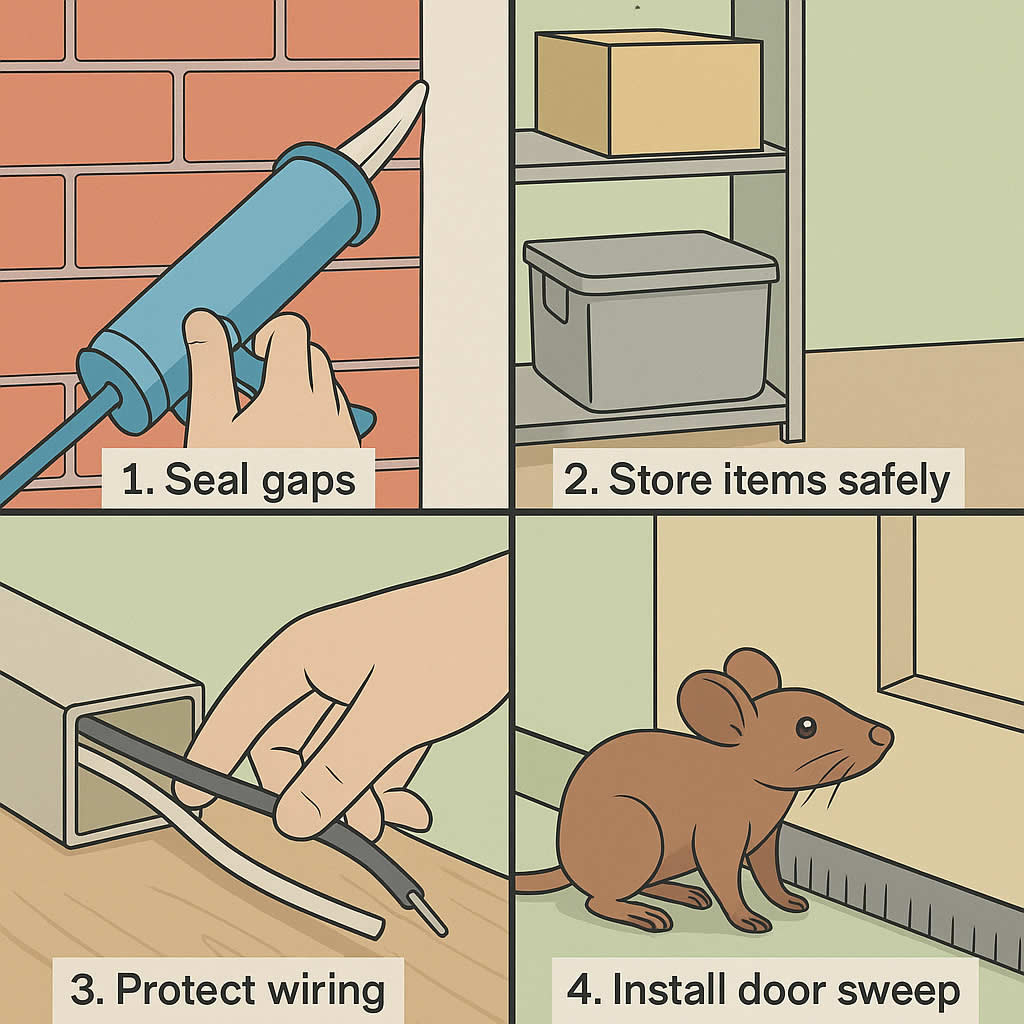
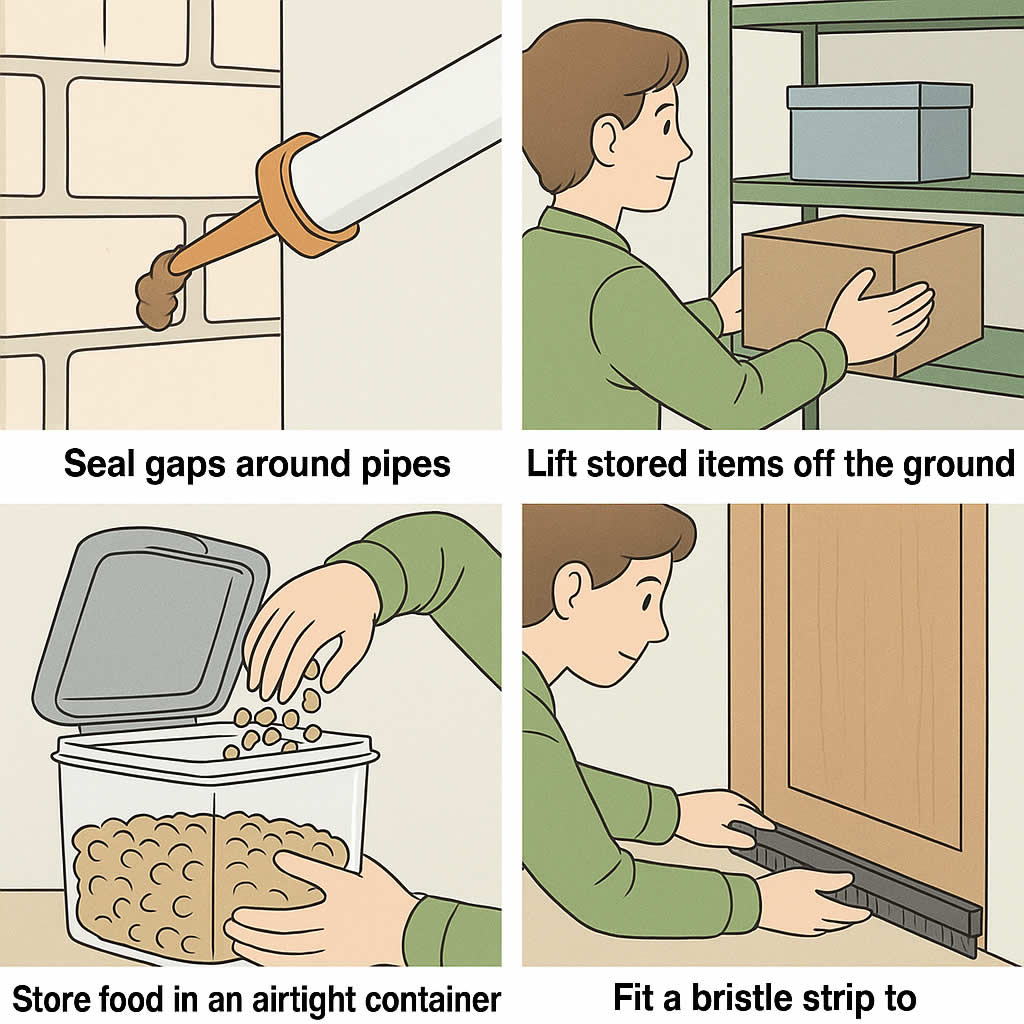
6. Seal entry points. Fit mesh to vents, repair damaged air bricks, seal gaps around pipes and check door thresholds. Coastal and rural homes can get repeated fly pressure from livestock, waste areas and seasonal warmth, so prevention is especially important for properties needing local pest control in Cornwall.
7. Treat carefully if needed. Domestic fly sprays can knock down adult flies, but they should not be sprayed onto food surfaces, pet areas or soft furnishings unless the label allows it. Serious or recurring infestations need correct identification, source removal and safe product selection.
When the Problem Keeps Coming Back
Recurring bluebottles usually mean one of three things: the source wasn’t removed, new flies are entering, or another pest problem is creating breeding material. Rodents are a common hidden cause. So are birds nesting in chimneys, roof edges or loft spaces.
Potential problem: flies return within days after cleaning. Cause: larvae or pupae remain hidden, or a carcass is still present. Fastest solution: inspect the exact room where adults gather and look for smell, stains, maggots or pupal cases.
How to fix it: remove the source, clean the area, seal entry points and monitor for at least one to two weeks. Some adult flies may still emerge after the first visit or first clean, especially if pupae were already formed. That doesn’t always mean failure.
Signs of a more serious problem: strong odour, repeated maggots, flies from ceiling lights, scratching noises, droppings, bird nesting debris, or flies appearing in multiple rooms. At that point, a qualified pest control technician should inspect voids and access points.
Professional practice is prevention-led: identify the pest, locate the source, remove attractants, use products responsibly, and check progress. The Chartered Institute of Environmental Health pest guidance supports the wider public health approach to pest management rather than relying on quick spraying alone.
FAQ
Why do I suddenly have bluebottle flies in my house?
A sudden appearance usually means flies have emerged from a breeding source nearby. That source could be food waste, a dead mouse, a bird carcass, pet mess or a dirty bin.
They often gather at windows because they move towards light after emerging. The window isn’t usually the source.
If they keep appearing in the same room, inspect that area first. Smell is often the best clue.
Are bluebottle flies dangerous?
They can carry bacteria from decaying material onto surfaces, especially if they land on food preparation areas. That’s why cleaning matters.
One or two flies isn’t usually an emergency. Repeated activity around food, waste or vulnerable people needs quicker action.
Throw away uncovered food they’ve landed on. Clean surfaces with detergent and follow with a suitable disinfectant.
Will fly spray get rid of bluebottles?
Fly spray can kill adult flies you can see. It won’t remove eggs, maggots, pupae or the rotten material attracting them.
Use sprays only as the label directs. Keep them away from food, aquariums, pet bedding and children’s items.
If flies return after spraying, stop repeating the same treatment. Find the source instead.
Where do bluebottle flies lay eggs?
They lay eggs on moist, protein-rich organic material. Meat scraps, fish waste, carcasses, faeces and dirty bins are common sites.
In homes, the source can be surprisingly small. A forgotten food tray behind a bin is enough in warm weather.
Outside, wheelie bins and pet waste areas are frequent breeding points. Keep both clean and dry.
How long does it take to get rid of them?
If the source is found and removed, adult activity can drop quickly. You may still see stragglers for a few days.
If pupae are hidden in cracks, some adults may emerge later. Monitoring helps show whether numbers are falling.
Persistent activity beyond a week usually means something has been missed or flies are entering from outside.
Do bluebottle flies mean there is a dead animal?
Not always. Bins, food waste and pet mess are more common in many homes.
A dead animal becomes more likely if there’s a strong smell, flies in one room, or recent rodent noises. Loft spaces and wall voids are typical locations.
If you can’t safely access the suspected area, call a qualified technician. Avoid opening walls without a clear plan.
How can I stop bluebottles coming back?
Bag food waste tightly, rinse meat packaging, clean bin lids and keep outside bins closed. Small improvements make a real difference.
Seal gaps around pipes, vents and damaged brickwork. Fit mesh where airflow is needed.
Check for rodent or bird activity too. Bluebottle prevention often depends on fixing the pest or waste issue behind them.
When should I call pest control?
Call if there are many flies, maggots indoors, a strong odour, suspected dead animals, or repeated activity after cleaning. Those signs need a proper inspection.
A technician should identify the source, check access points and advise on safe treatment. They may not promise instant permanent removal, because hidden pupae can still emerge.
DIY works best for simple bin or food waste problems. Structural voids, rodents and recurring infestations need professional assessment.