Related Queries
ToggleWhen you spot the first sign of rats in your home, garage, or garden, it’s natural to want results fast. You set out bait stations, place poison carefully, and then wait, wondering how long it will actually take to work. The truth is, the timing depends on a lot more than just the product you use. Rat poison doesn’t always act instantly – and there’s a good reason for that.
Understanding how these products work, what affects their speed, and what signs to look out for can make the difference between frustration and success. In this guide, you’ll learn exactly what happens once a rat eats poison, what influences the timeline, and what you can do to make your treatment more effective.
Before we go into this guide, please consider using more humane ways of removing rats from a property. If you are struggling with an infestation, consider bringing in the professionals.
Understanding the Timeframe
When you use rat poison (also called rodenticide), it’s important to know that results don’t come immediately. Many products are designed to work gradually so rats don’t become suspicious of the bait. The process is strategic — subtle enough to wipe out the colony without alerting the rest.
How Rat Poison Works Inside a Rodent
After consuming poison, a rat’s body begins to react to the active ingredient. Most rat poisons work by disrupting essential biological functions. For example, anticoagulant poisons prevent blood from clotting, which leads to internal bleeding over time. Others may affect the nervous system, cause dehydration, or interfere with cellular energy production.
This slow approach ensures the rat doesn’t associate the illness with the bait, which means other rats in the colony will continue eating it too. The poison circulates through the system, weakening vital organs and gradually leading to death, usually in a calm and non-violent way.
Typical Kill-Times and What Influences Them
Most rat poisons take around 2 to 3 days to start showing visible results, though it can sometimes take up to a week. The exact time varies based on several factors — including the amount consumed, the type of poison used, the rat’s size and age, and environmental conditions.
For instance, smaller rats may die within a couple of days, while stronger or well-fed ones could take longer. The type of bait also matters: blocks, pellets, and pastes all have different absorption rates. You might notice reduced activity before you actually find evidence that the poison has worked.
Types of Rodenticides and Their Effects
Different poisons work in different ways, and understanding the main categories helps you choose the right one for your situation.
Anticoagulant Rodenticides
This is the most widely used type of rat poison. Anticoagulants like bromadiolone, difenacoum, and brodifacoum stop a rat’s blood from clotting properly. After a few days of ingestion, internal bleeding occurs, causing weakness and eventual death. Because this process is gradual, other rats don’t connect the symptoms to the bait, ensuring wider success.
First-generation anticoagulants usually require multiple feedings, while second-generation types are stronger and may kill after just one meal. You’ll generally see results between 3 and 7 days.
Non-Anticoagulant and Acute Poisons
Non-anticoagulant poisons act much faster but are used less frequently due to safety risks. Some attack the nervous system, others cause lethal dehydration, or disrupt the body’s ability to use calcium or energy. Products like zinc phosphide and alphachloralose work within hours but can pose greater risk to pets and wildlife if not handled correctly.
Why Product Type Matters for Timing
Each rodenticide has a different mode of action and strength, which affects how quickly you’ll see results. Weather resistance, bait palatability, and formulation also play a role. A well-placed, highly palatable bait will be eaten sooner — speeding up the process considerably.
Factors That Affect How Quickly It Works
Rat poison isn’t one-size-fits-all. Even the best product can take longer to work depending on your environment, how it’s used, and the behaviour of the rats themselves.
Amount Consumed and Bait Attractiveness
If rats only eat a small amount, it may take longer for the poison to have an effect. Using fresh bait, changing it regularly, and placing it where rats are most active increases the likelihood they’ll eat enough. Bait that smells off, is damp, or has been sitting too long will be ignored — delaying results.
Location, Food Competition and Bait Placement
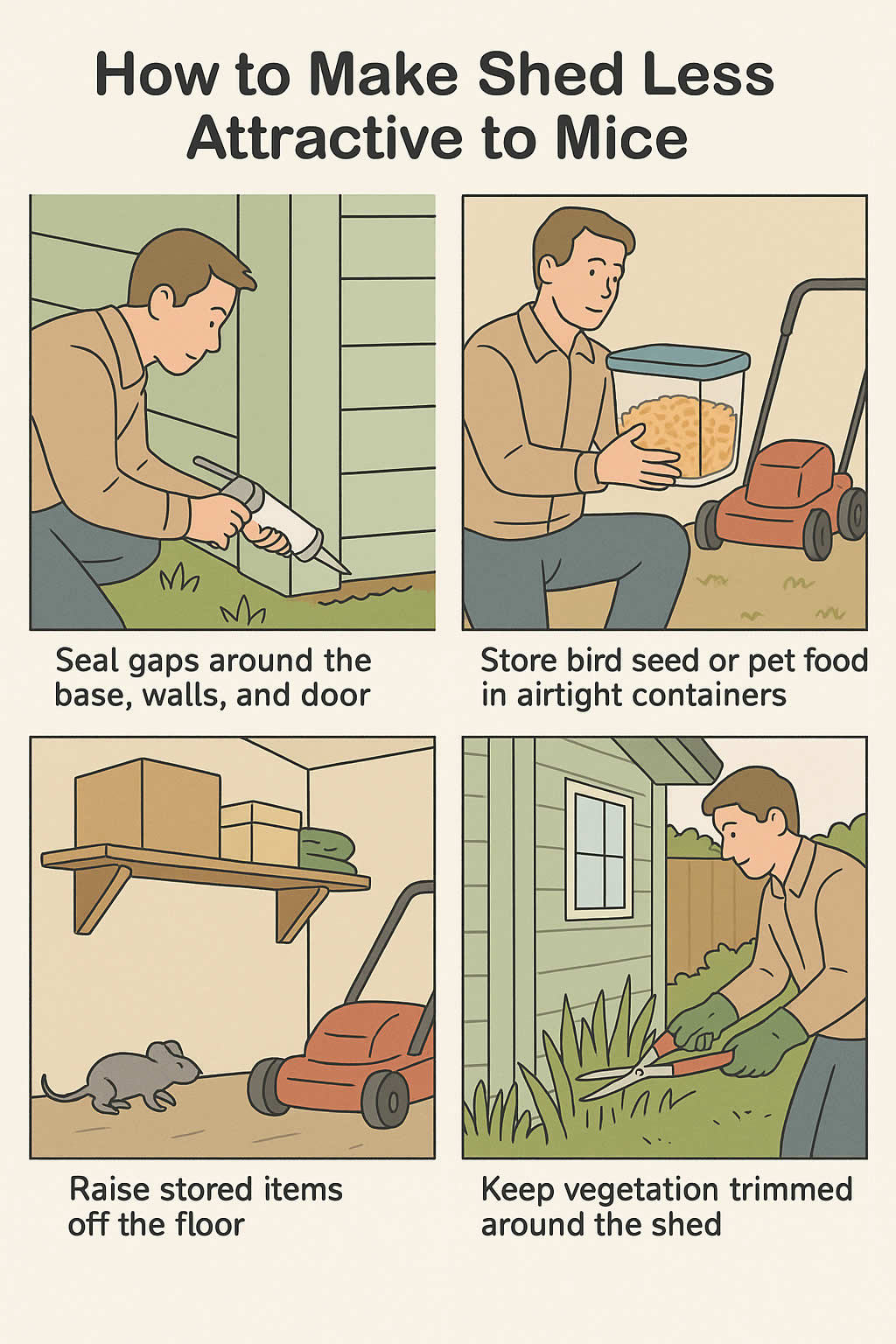
If rats have access to other food sources — pet food, waste bins, birdseed — they might avoid the bait completely. Removing competing food options is one of the simplest ways to speed up the poisoning process. Also, placing bait along known runways or near nesting areas increases consumption.
Resistance, Reinfestation and Environmental Conditions
Some rat populations have built up resistance to certain poisons, especially in urban areas. If you’re using a product that’s no longer effective in your region, the results will be much slower or non-existent. Humidity, temperature, and shelter quality also affect feeding habits — cold or damp environments may reduce movement and delay feeding.
What to Expect: Your Plan for Monitoring
When dealing with rodents, patience and persistence pay off. Knowing what to expect helps you stay calm and consistent throughout the process.
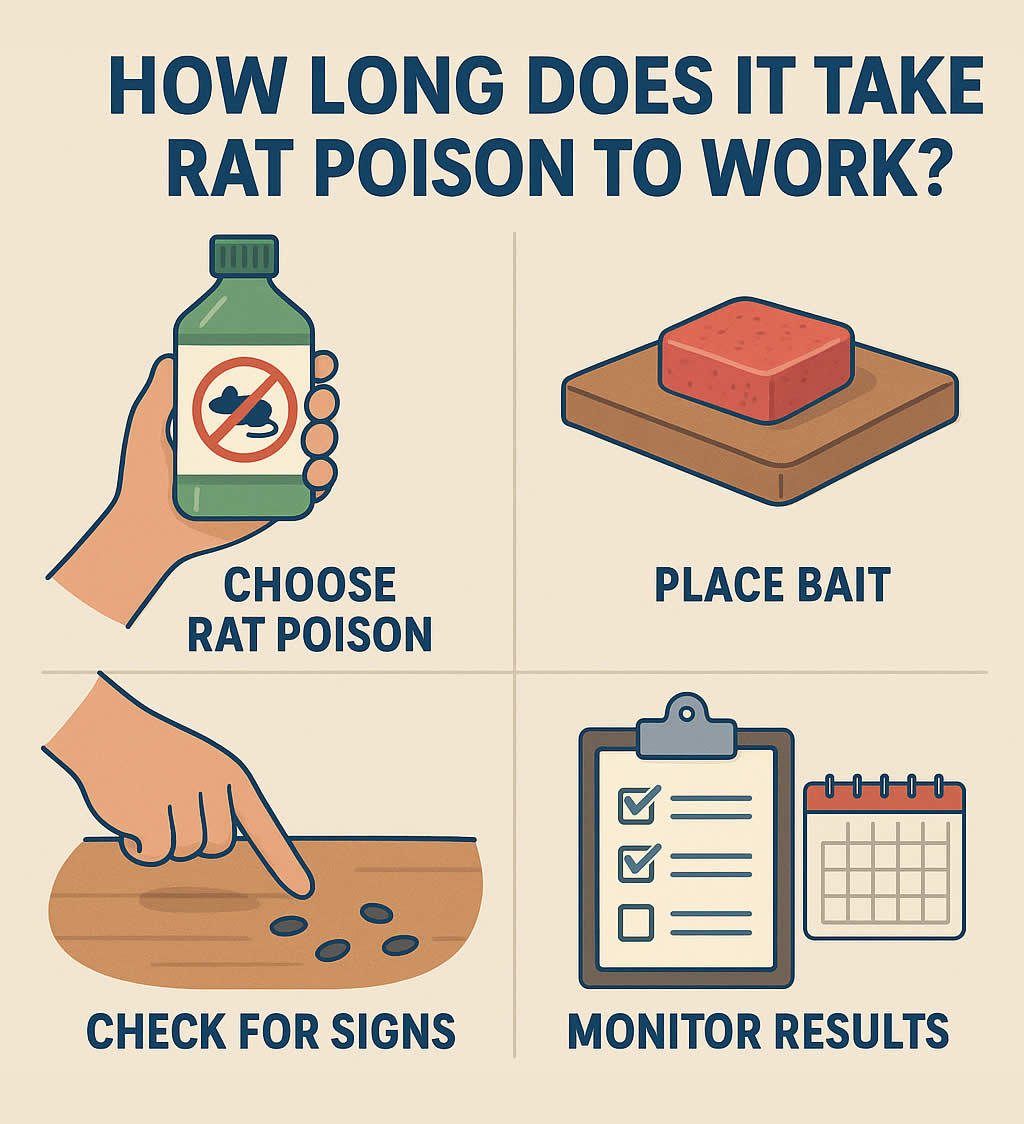
When You Should Check for Signs
You’ll often see signs of feeding within 24–48 hours — gnawed bait blocks, droppings, or disturbed stations. However, don’t expect to find dead rats immediately. The visible effects usually appear between 3 and 7 days, depending on the poison and conditions. Keep monitoring and replenishing bait until you’re confident activity has stopped.
What to Avoid Doing Too Soon
It’s easy to assume that if you haven’t seen dead rats after a few days, the poison isn’t working. Avoid removing bait too early or switching products too soon. Rats may take several days to eat enough for the poison to take effect, and removing bait stations interrupts that process.
Safety, Pets and Non-Target Risks
When using poison, you need to think beyond the rats. Keep bait out of reach of pets and children, and always use secure bait boxes. Dead rodents can carry traces of poison, so dispose of them carefully to avoid secondary poisoning in wildlife or household animals. Always wear gloves and follow product instructions closely.
Practical Tips to Improve Success
If you want faster results, a few practical steps can make a big difference.
Choose the Right Product and Formulation
Pick a bait that suits your environment — weatherproof blocks for outdoors, soft bait sachets for warm indoor areas, or pellets for narrow spaces. Check that the active ingredient targets the rat species in your area, and always read the safety guidelines before use.
Remove Competing Food Sources and Secure the Area
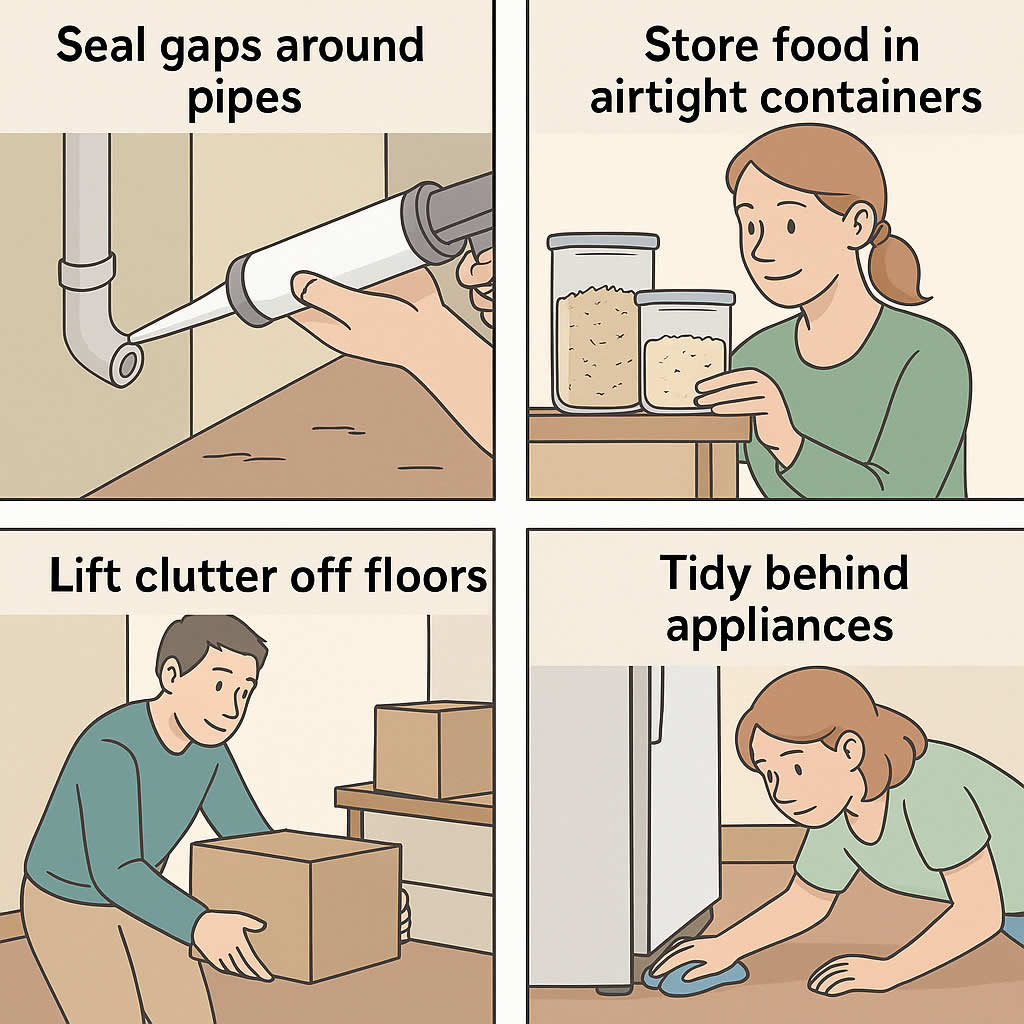
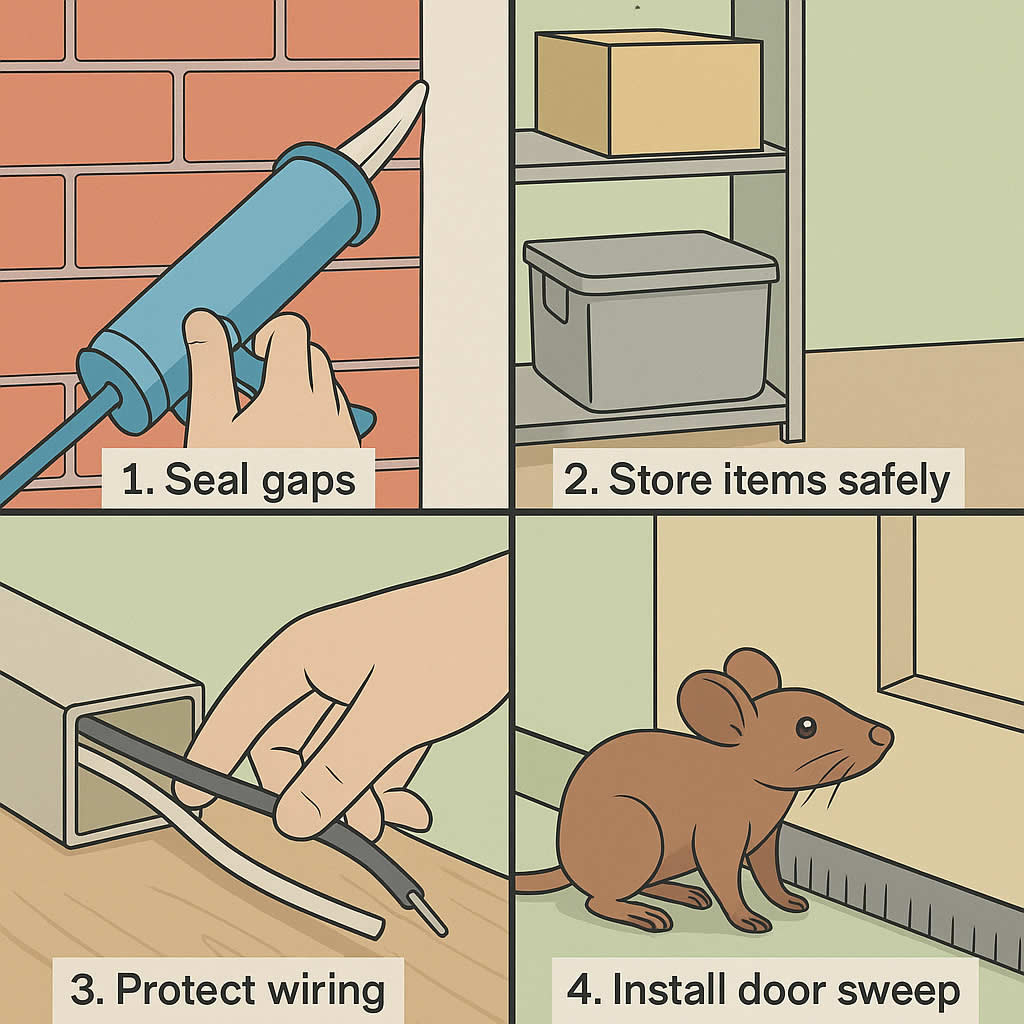
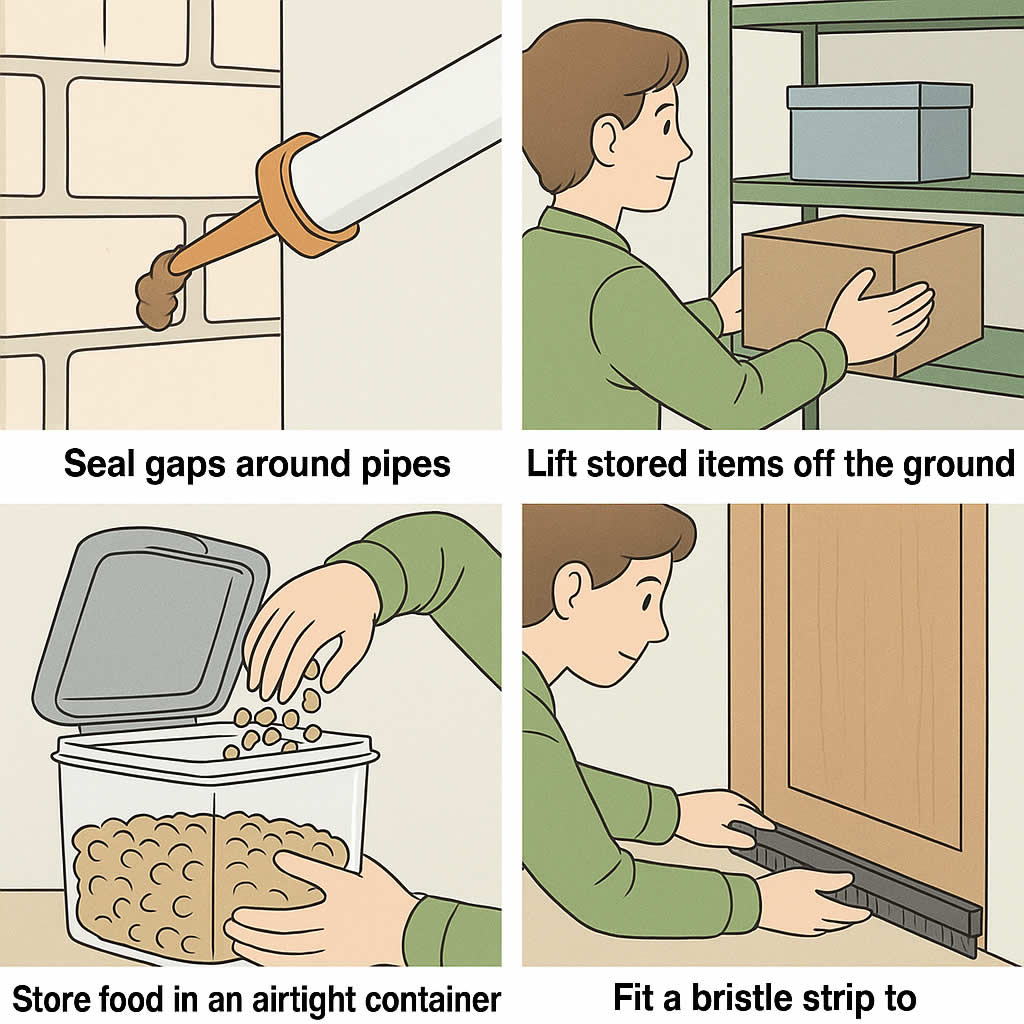
Cleanliness is one of the most effective ways to speed up poison results. Seal bins, remove crumbs, and clear food debris. The fewer options rats have, the faster they’ll consume the bait. If you block access points and tidy potential nesting areas, you’ll see improvement even sooner.
Regular Checks, Replenishment and Follow-Through
Keep checking bait stations daily at first, then every few days as activity drops. Replace any bait that’s been eaten or contaminated. Don’t stop too soon — continue until there are no more signs of activity. Patience and consistency are key to completely breaking the infestation cycle.
When It Might Take Longer Than Expected
Sometimes, despite doing everything right, results still take longer. That’s not unusual, and it doesn’t mean the poison has failed.
Large Infestations or Hidden Nests
If you’re dealing with a large colony, it may take longer for all individuals to consume a lethal dose. Rats living deep in walls or underground burrows may take extra time to find and eat the bait.
Sub-Lethal Doses and Slow Decline
If rats only consume a partial dose, they may feel unwell but not die immediately. This can slow down progress and make it look like nothing’s happening. Keeping bait available ensures that they can return and finish feeding.
Product Misuse or Wrong Placement
The most common reason for delays is incorrect use. Placing bait in low-traffic areas, using outdated products, or exposing bait to dampness all reduce its effectiveness. Always read the label carefully, follow directions, and position stations where droppings or smear marks show regular movement.
Final Thoughts
Rat poison can be a powerful tool, but it’s not instant. Most poisons take at least a couple of days to work, and in more complex infestations, a week or more is perfectly normal. The key is patience, persistence, and using the right methods to encourage feeding.
By choosing the right bait, keeping the area clean, and following a consistent plan, you’ll see lasting results. Remember — every infestation is different, and sometimes professional help is worth considering if you’re not seeing success after two weeks.
In the end, effective pest control isn’t just about killing rats quickly — it’s about breaking the cycle, protecting your home, and creating an environment where rodents can’t come back. With the right approach, rat poison can deliver reliable, long-term results and restore your peace of mind.