Waking up with fresh red bumps on your skin is never a comfortable feeling. You lie there wondering what got you during the night, and whether you’re dealing with a minor nuisance or something far more stressful. Bed bug bites and mosquito bites can look surprisingly similar, leaving you guessing and unsure what to do next. But although they overlap in appearance, the differences between them are clearer once you know what to look for.
This expanded guide helps you understand the exact signs that point to bed bugs instead of mosquitoes — and vice versa. You’ll learn about patterns, timing, swelling, behaviour, healing, and how your home environment can influence what shows up on your skin. With this knowledge, you can act sooner and prevent small problems turning into stressful infestations.
Why bed bug bites and mosquito bites are so easily confused
Both insects feed on blood and trigger an allergic response in your skin, which is why the marks look similar. But the way they feed is very different. Mosquitoes fly, land quickly, pierce the skin, then disappear. Bed bugs crawl, feed slowly for several minutes, then slip away into hiding without you ever noticing.
That difference alone influences:
- How fast the bite appears
- How red or swollen it becomes
- Whether the bites show up in a cluster or line
- Whether more appear after sleeping
- Whether new ones keep appearing despite cleaning
Even if the bites look identical on day one, the surrounding clues tell a bigger story.
Feeding behaviour: the biggest clue you never see happening
Understanding the behaviour of the insect helps you interpret the marks on your skin.
Mosquitoes
- Land, bite, draw blood, and flee within seconds to minutes.
- Prefer warm evenings and outdoor environments.
- Enter homes through windows, vents, gaps or ride in on clothing.
- Often bite exposed areas of skin while you’re awake or lightly dozing.
Bed bugs
- Only come out when you’re still, warm and asleep.
- Bite for several minutes, walking short distances as they feed.
- Hide deep inside cracks, mattress seams and furniture joints.
- Prefer bedrooms, guest rooms and places where people rest for long, quiet periods.
This feeding behaviour affects the pattern that appears on your skin.
Pattern and grouping: single dots vs lines of bites
This is one of the most dependable clues.
Mosquito pattern
- Usually one bite here, another bite there — scattered and random.
- Rarely in neat rows.
- Sometimes several in the same area, but not in a straight line or cluster.
Bed bug pattern
- Clusters of 3–5 bites are common.
- Rows or zig-zags appear when the bug moves about while feeding.
- Several grouped bites on the same arm, leg or shoulder strongly suggest bed bugs.
If you wake up with a tidy little row of bites, especially on exposed areas, it’s rarely a mosquito.
Where the bites show up on your body
Location tells you far more than people realise.
Mosquito locations
- Any exposed skin: arms, legs, face, neck, even feet.
- Often on ankles and calves if mosquitoes gather near the floor.
- Can bite skin through thin clothing if the fabric is tight.
Bed bug locations
- Prefer skin exposed during sleep: arms, hands, neck, cheeks, shoulders.
- Sometimes under loose clothing, but rarely through tight garments.
- If your bites consistently appear after sleeping, bed bugs are far more likely than mosquitoes.
One major warning sign is repeated morning bites in the same room. Mosquito bites tend to happen outdoors, in warm outdoor areas, or during evenings when windows are open.
How quickly the bites appear
The timing of the inflammation gives clearer clues.
Mosquito bites
- Itch quickly — often within minutes.
- Swelling shows fast.
- You can often pinpoint when it happened (“It bit me just then”).
Bed bug bites
- Reaction can take hours or days to develop.
- Many people don’t react the first time they’re bitten.
- Bites appear after you wake up, not during the day.
This delayed reaction often causes people to doubt what happened, leading to infestations going unnoticed for weeks.
How the bites look: key visual differences
Both types of bites can be red, itchy and swollen, but subtle details often separate them.
Mosquito bites
- Typically raised bumps.
- Sometimes have a small central dot.
- Quick swelling that fades fairly fast.
- Usually isolated and uneven in size.
Bed bug bites
- Small red bumps or welts.
- Often have a darker red centre.
- Clusters or grouped marks.
- Swelling can increase over several hours.
- More likely to form lines.
If your bites are appearing in patterns rather than random placement, bed bugs are the stronger suspect.
How long the bites last and how they behave
Here’s a major difference between the two.
Mosquito bites last
- Usually 1–3 days
- Itching peaks early, then reduces
- Typically no lingering marks unless scratched intensely
Bed bug bites last
- Several days to over a week
- Itching can worsen over time
- Some bites darken or remain visible for weeks if scratched
- Sensitive individuals may develop welts or blister-like reactions
Because bed bug bites often last longer and irritate more easily, the healing pattern can help you narrow down the cause.
Why your sensitivity matters more than you think
Your body’s immune system plays a huge role in how each bite looks.
Some people have:
- Immediate reactions
- Delayed reactions
- Minimal swelling
- Severe swelling
- Raised hives
- No redness but intense itching
Two people sleeping in the same bed can have completely different reactions. One might wake up covered in marks while the other shows none — even if both were bitten.
This is why you should NEVER rely on your partner’s skin to confirm or deny an infestation.
What each type of bite means for your home
If you can confirm the insect, your next steps become far clearer.
If it’s mosquitoes
- Check windows for gaps.
- Use repellent and screens.
- Clean standing water around your property.
If it’s bed bugs
- You must inspect your bedroom.
- You must confirm whether the infestation is active.
- You must take treatment seriously — bed bugs do not leave on their own.
Mosquitoes are seasonal and random.
Bed bugs, on the other hand, reproduce constantly until stopped.
Inspecting your room if you suspect bed bugs
A simple step-by-step check helps you identify signs.
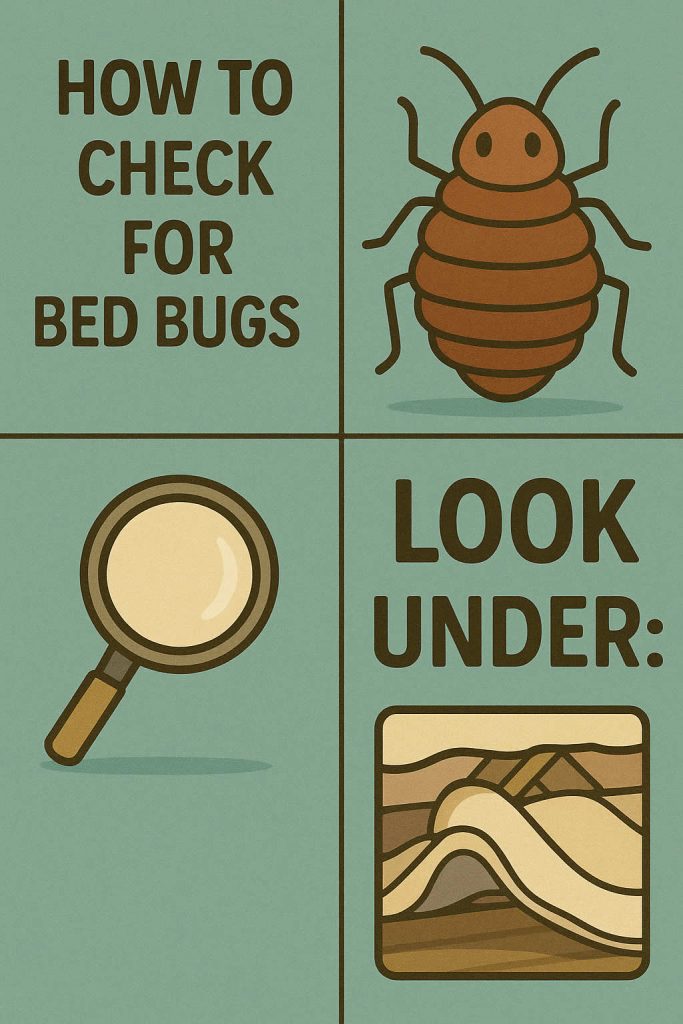
Look at:
- Mattress seams
- Bed frame joints
- Headboard cracks
- Zip edges, piping, stitching
- Drawer runners and corners
- Behind pictures and bedside tables
Signs include:
- Tiny black spots (fecal staining)
- Small shed skins
- Cream-coloured eggs
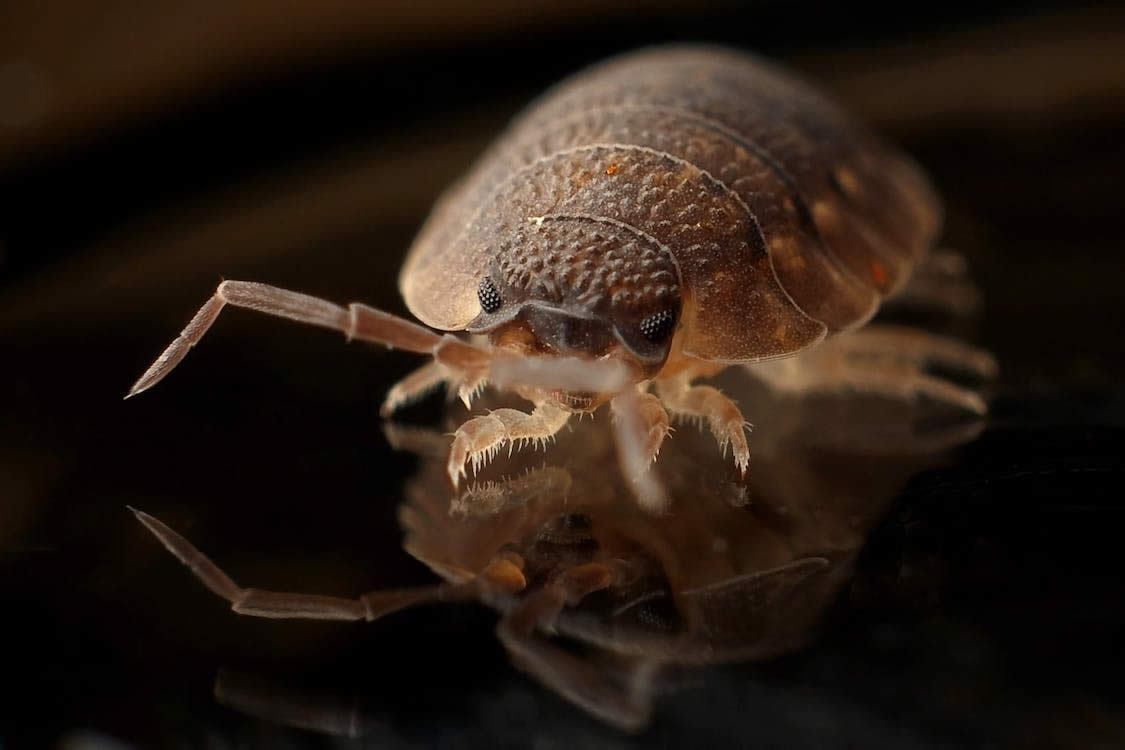
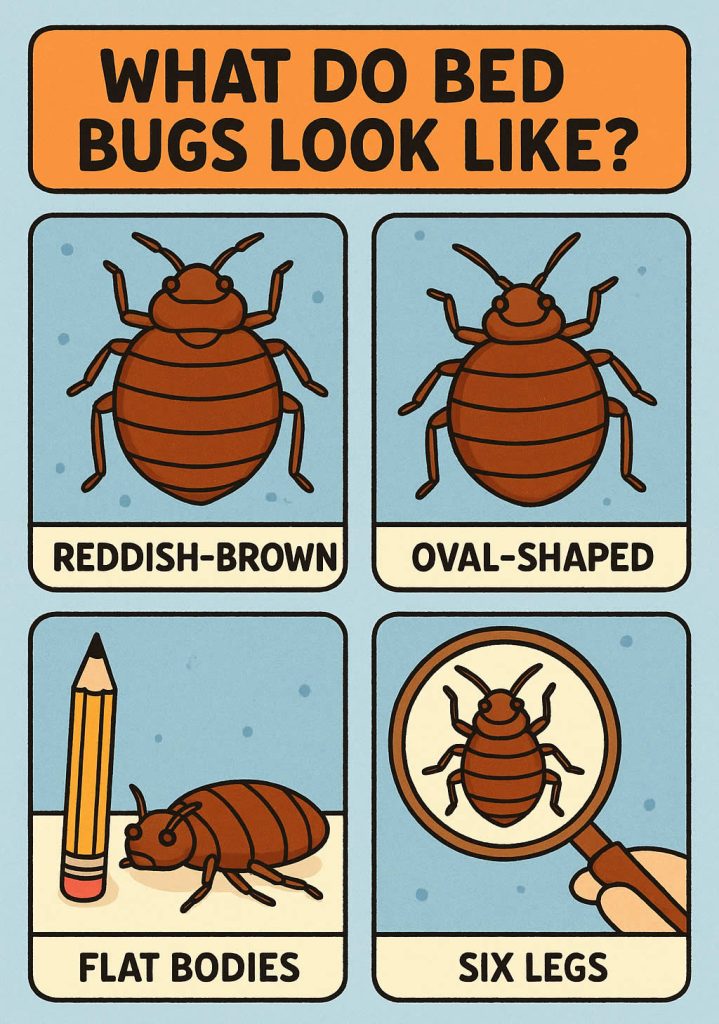
- Live bugs (flat, brown, apple-seed size)
If you find any of these, bites are almost certainly from bed bugs.
Treating mosquito vs bed bug bites
Mosquito bite treatment
- Cool compress to reduce inflammation.
- Light hydrocortisone cream for itch.
- Oral antihistamines if swelling increases.
- Avoid scratching to prevent infection.
The first steps are the same, but additional focus is needed on:
- Reducing new bites
- Preventing infection
- Using soothing moisturisers
- Monitoring patterns each night
The big difference?
- With mosquito bites, once you protect yourself, the marks fade.
- With bed bug bites, more will appear until the infestation is eliminated.
When checking bite patterns, it can help to think about other areas in the home where pests hide. Soft furnishings, carpets and lounge areas sometimes collect unnoticed insect activity, especially where warmth and fabric combine. A calm inspection routine around these areas helps you spot signs early and prevents insects from spreading into multiple rooms unexpectedly.
Why people often misdiagnose mosquito bites as bed bugs
Many people assume bed bugs bite in huge quantities every night, but early infestations can be very subtle. Likewise, mosquitoes indoors can cause panic when several bites appear after an evening with open windows.
Misdiagnosis happens because:
- Both bites can look almost identical
- Heat and humidity increase both insects’ activity
- Reaction times vary between individuals
- Scratching changes the appearance of the mark
- Some mosquito bites form clusters when the insect bites more than once
This overlap causes confusion — which is why understanding patterns and timing is so important.
When you should be concerned about infection or allergy
Seek medical help immediately if you notice:
- Spreading redness
- Pus or yellow crusting
- Warmth around the bite
- Fever or chills
- Large blisters or hives
- Difficulty breathing
- Dizziness or swelling of lips/eyes
Both mosquito and bed bug bites can become infected if scratched, but bed bug bites tend to persist longer, increasing the chance of irritation, broken skin and secondary infection.
When bites keep appearing despite cleaning
If fresh bites keep showing up:
- Night after night
- In clusters
- In lines or zig-zags
- On exposed areas after sleeping
…it is extremely likely that bed bugs are the cause.
Cleaning alone does not remove bed bugs.
Wiping surfaces doesn’t remove cracks where they hide.
Spraying random products does not kill eggs.
If bites appear repeatedly, further action is needed.
So… bed bug or mosquito? Your quick summary checklist
More likely mosquito if:
- You were outdoors recently
- You felt the bite immediately
- Bites are random
- They heal within a couple of days
- You find mosquitoes in your home
More likely bed bugs if:
- Bites appear in the morning
- Bites form rows or clusters
- They itch more over time
- New bites appear every night
- They occur in bedrooms
- They take a week or more to fade
- No mosquitoes are visible
Using this checklist alongside the detailed explanations above will help you decide what’s happening in your home.
Final thoughts
Bed bug bites and mosquito bites can look eerily similar at first glance, but once you understand the patterns, timing, location and behaviour behind each one, the differences become much clearer. Mosquito bites are usually a mild, temporary nuisance. Bed bug bites are a red flag that something hidden is happening in your home — something that won’t go away until you take deliberate action.
If your bites follow lines, appear after sleeping, or keep coming back, it’s time to look closer at your sleeping environment and start planning next steps.