Related Queries
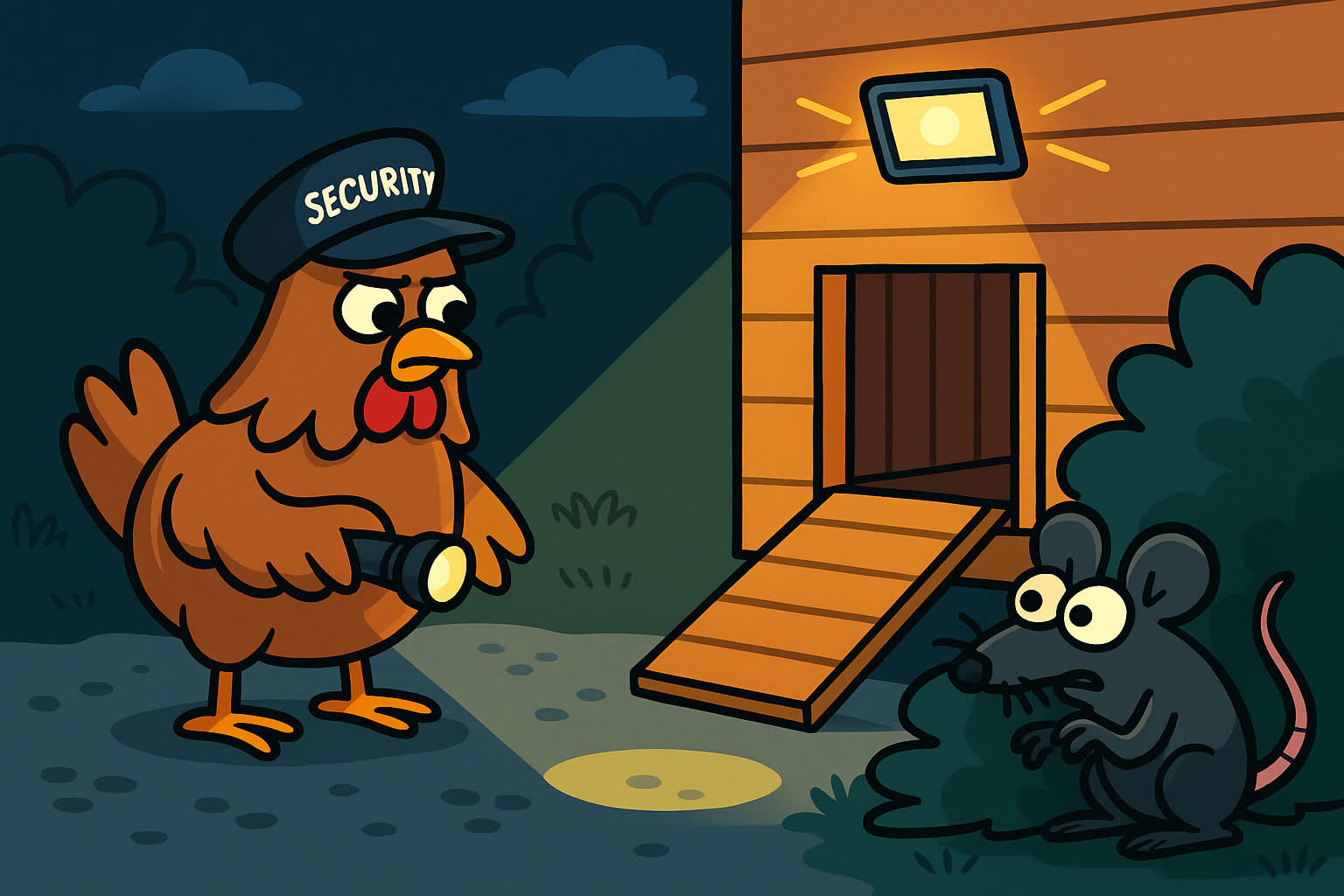
ToggleRats around a chicken coop are rarely random. They arrive because something nearby gives them food, water, shelter or a safe route in. Chicken feed is high-value food, bedding is warm, and gaps under sheds or runs can become perfect harbourage.
Don’t panic. Act quickly, but avoid rushing into unsafe poisons or disturbing a nest with bare hands. The reliable route is simple: remove food access, block entry, reduce hiding places, monitor activity, then bring in professional help if signs continue.
Rat-proofing begins with knowing why they arrive
In many UK gardens, the first sign is not the rat itself but the damage it leaves behind. Look for dark, capsule-shaped droppings near feed stores, greasy smear marks along timber edges, shallow burrows under slabs, gnawed plastic tubs, missing eggs, chewed netting and runs made through long grass.
Rats prefer predictable routes. They’ll travel along fences, walls, compost bins, hedges and outbuilding edges rather than crossing open ground. If your coop sits beside a shed, log pile or overgrown boundary, you may be giving them a covered motorway.
A common mistake is treating the visible problem without finding the entry point. If you block one hole but leave spilled grain every night, the rats will keep testing the area. If you clean well but leave a thumb-sized gap under a timber floor, they still have a doorway.
Bird feeding can also make the problem worse. Loose seed under feeders is one of the easiest meals a rat can find, especially in winter. If you also feed wild birds, use the same discipline you’d use for hens; the advice on feeding birds without attracting rats fits many garden coop set-ups.
Preparation guide before you touch the coop
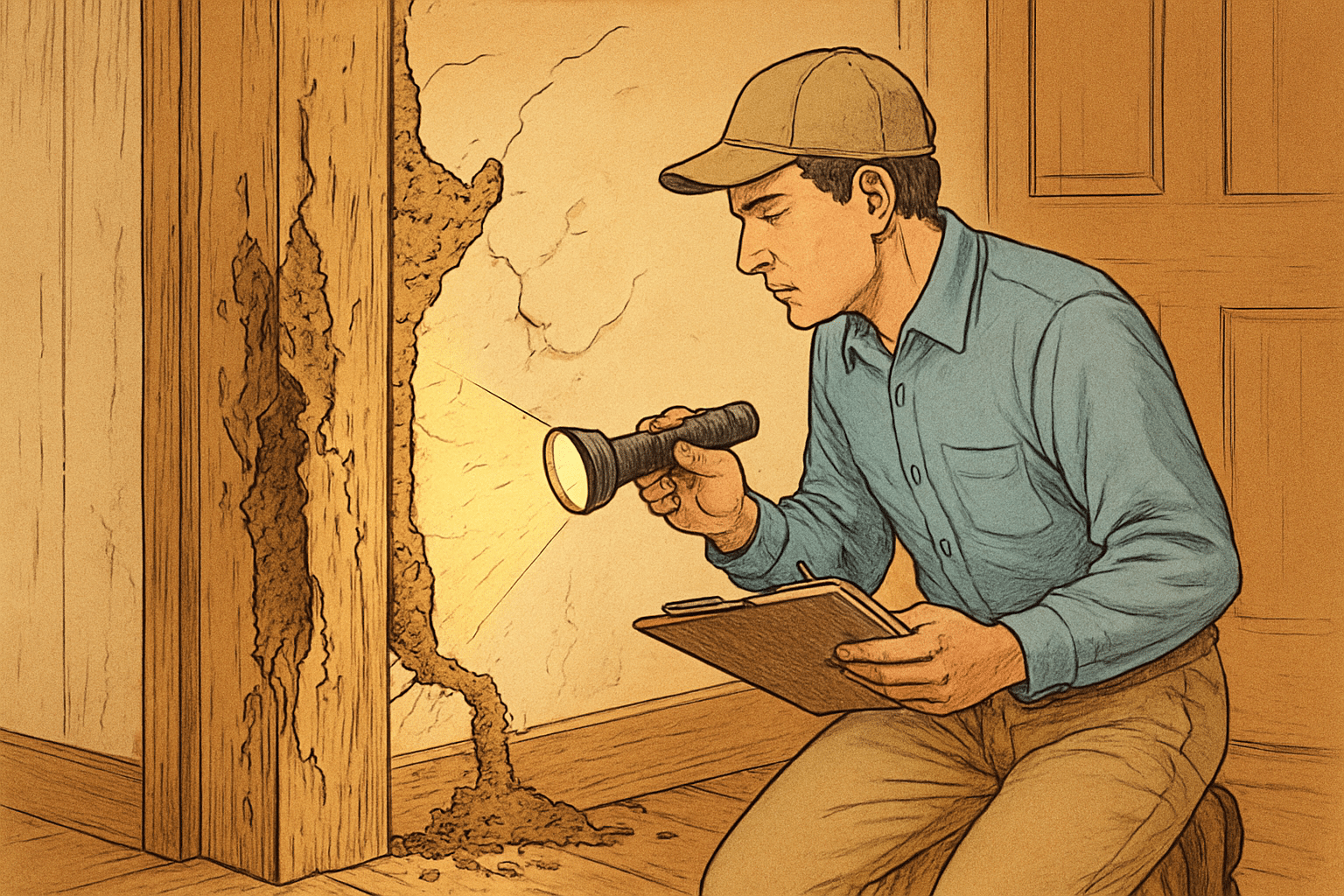
Start with a calm inspection in daylight. Wear gloves, avoid breathing in dust from droppings, and keep children and pets away from the area until it has been cleaned and proofed. Rats can contaminate feed, surfaces and bedding, so treat dirty areas as a hygiene risk rather than just a nuisance.
Check the coop floor, pop-hole, nest boxes, feeder area, run perimeter, compost heap, water source, shed base and nearby drains. Look underneath raised houses. Check behind stored straw and around timber stacks. If you find a nest, don’t poke it or pull it apart; there may be live animals, contaminated material or defensive behaviour. The safer approach is to read up on disturbing a rat nest before deciding what to do next.
Useful tools and materials include a torch, heavy-duty gloves, a stiff brush, disinfectant suitable for animal housing, metal feed bins with tight lids, galvanised welded mesh, paving slabs, hardware cloth, cable ties, screws, washers, a trowel, a rubbish sack, and a notebook for activity checks.
- What to check: gaps, gnawing, droppings, burrows, feed spills, water leaks and cover.
- Safety considerations: don’t handle droppings bare-handed, don’t mix cleaning chemicals, and don’t place traps where hens can reach them.
- Preparation steps: remove hens if needed, collect spilled feed, bag soiled bedding, clear clutter, then inspect from ground level.
Chicken welfare still matters while you proof the site. Housing must stay dry, ventilated and secure, not sealed so tightly that birds suffer poor air flow. The RSPCA chicken welfare advice is a useful UK reference for keeping birds properly housed while making changes.
Main instructions: practical rat-proofing that works
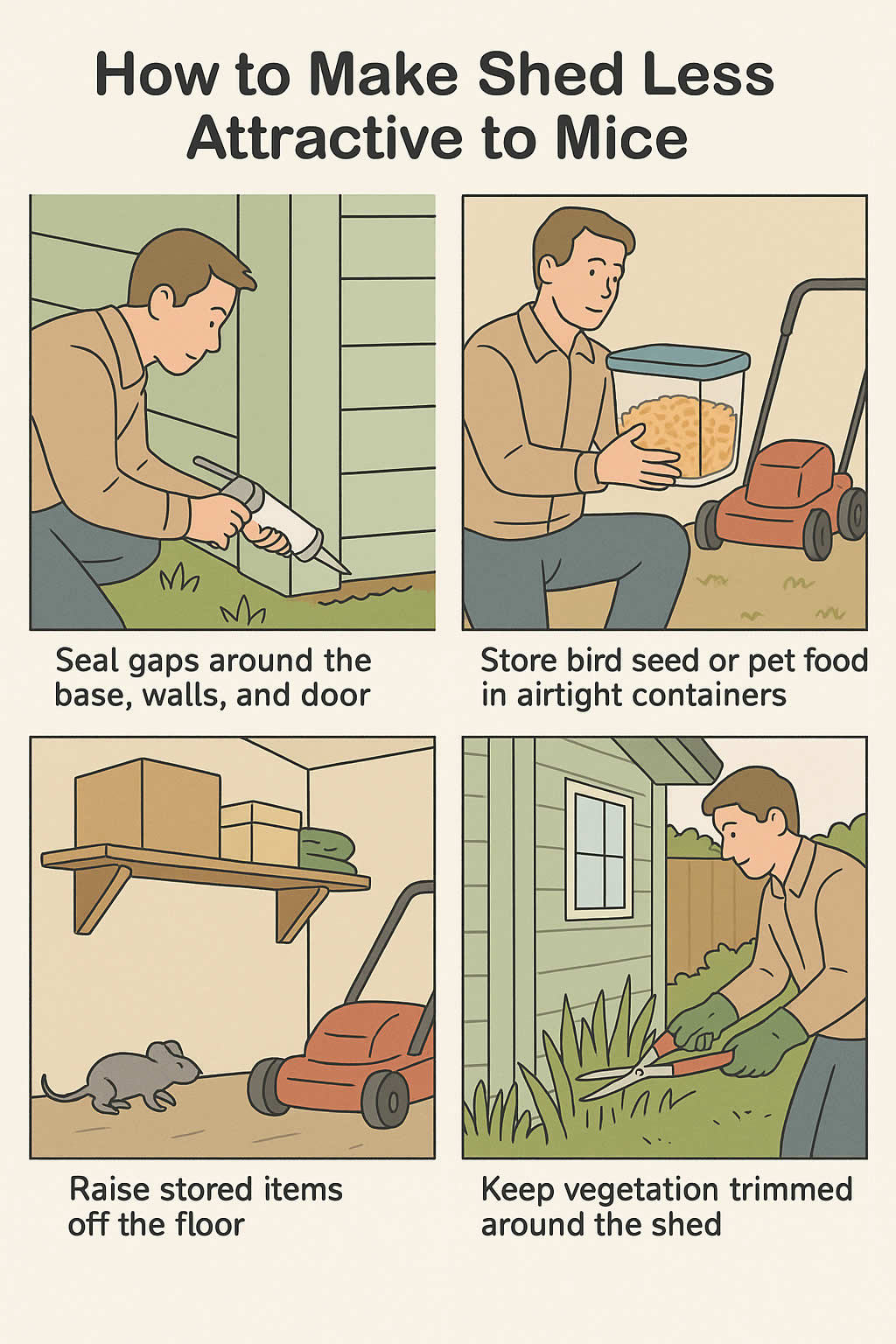
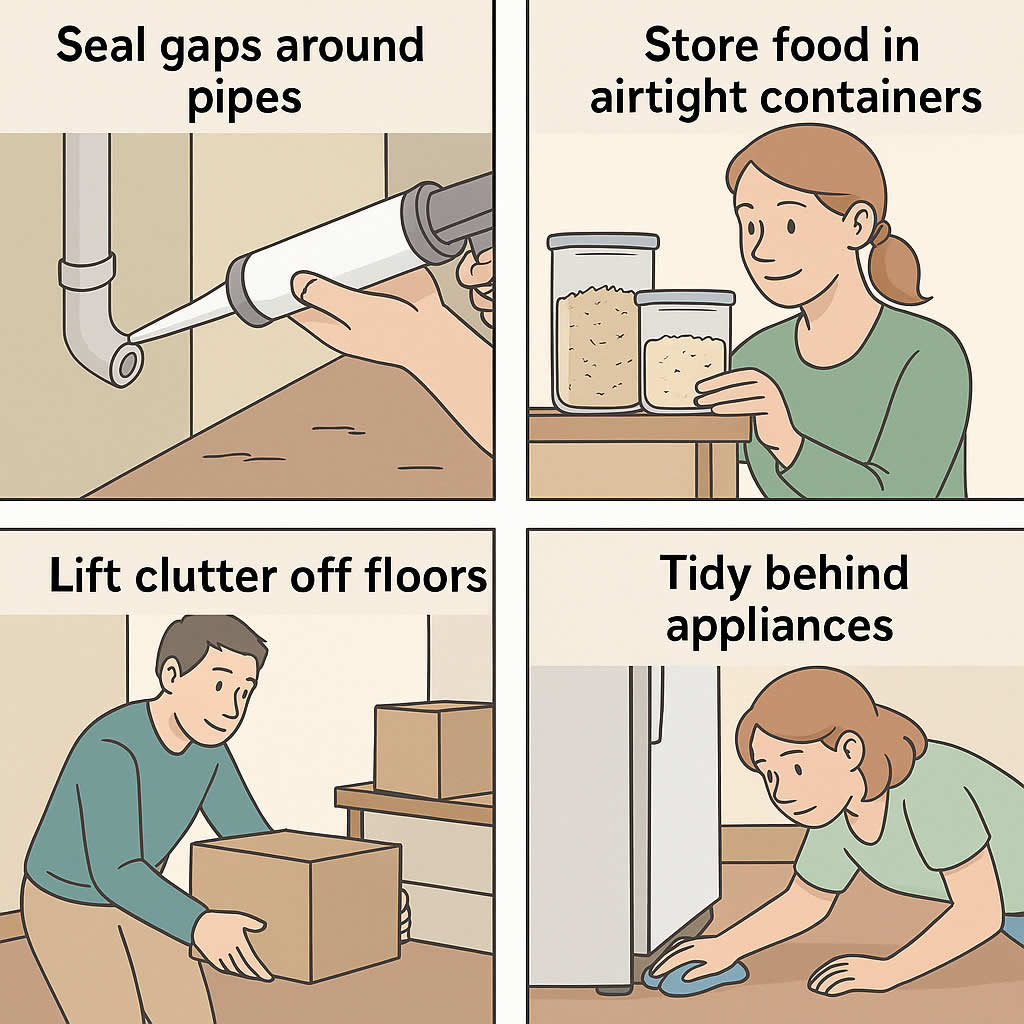
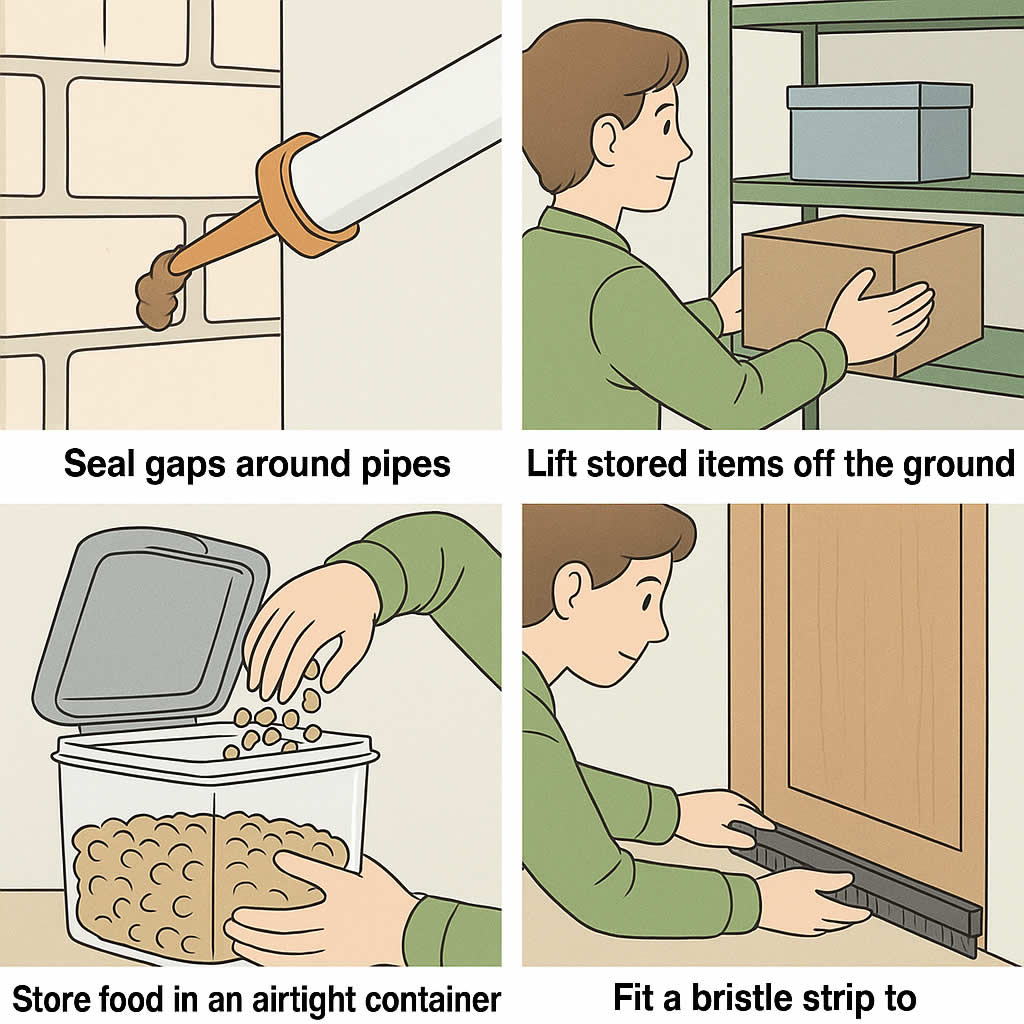
First, remove the buffet. Use treadle feeders if your hens adapt to them, or lift feeders away before dusk. Store all feed in metal bins, not sacks in a shed. Plastic is easy to gnaw. Sweep spilled pellets daily, especially around the run gate where hens scratch feed out.
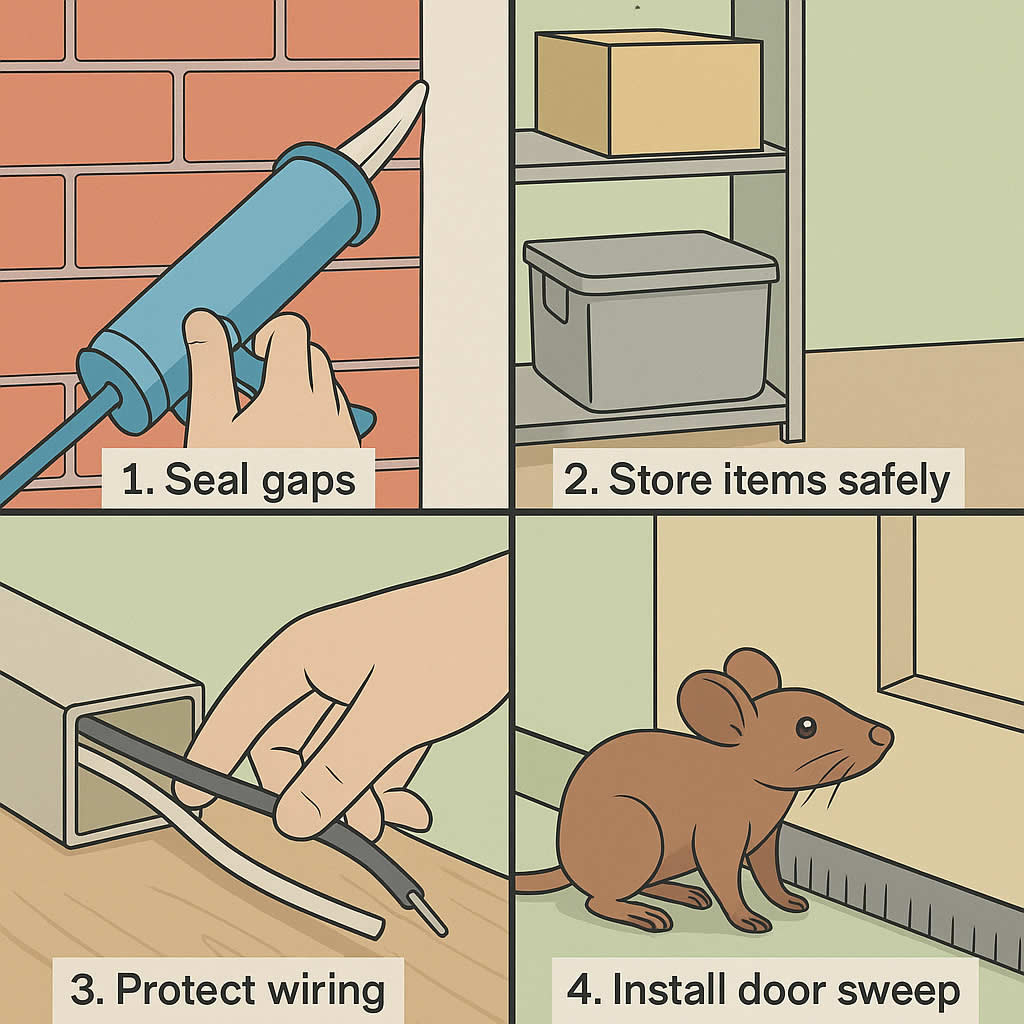
Second, proof the structure. Fit galvanised welded mesh to vulnerable lower sections of the run. Chicken wire keeps chickens in; it often doesn’t keep rats out. Bury mesh downwards and outwards to create an underground skirt, or lay paving slabs around the perimeter where digging is obvious. Secure mesh with screws and washers, not just staples.
Third, remove shelter. Cut back long grass, lift rubbish, move timber stacks away from the coop and keep compost bins lidded. Rats dislike exposed routes. A tidy two-metre zone around the coop makes them work harder and makes signs easier for you to spot.
Fourth, manage water. Fix dripping drinkers and avoid leaving bowls out overnight. Rats need water, and a leaking drinker beside feed is ideal for them (annoyingly ideal, but still fixable).
Fifth, monitor for seven to ten days. Smooth soil near suspected burrows so fresh tracks show. Put a small piece of paper or loose soil across a hole and check whether it is disturbed. If signs continue after basic proofing and cleaning, the infestation may be larger than it first looks.
| Method | Best use | Limits |
|---|---|---|
| Metal feed storage | Stops easy food access | Won’t solve nesting under sheds |
| Buried welded mesh | Blocks digging into runs | Needs careful fitting |
| Snap traps in secured boxes | Targeted control away from hens | Requires checking and safe placement |
| Repellent smells | Short-term disturbance only | Unreliable once rats find food |
If you prefer non-poison methods, focus on exclusion, cleaning and monitoring. Some readers also look at getting rid of rats humanely, but humane does not mean ignoring the problem. Rats breed quickly when food and shelter stay available.
Common problems, causes and fastest fixes
Coop rat problems usually follow patterns. Use the table below to decide what needs fixing first.
| Problem | Likely cause | Fastest solution | Long-term prevention |
|---|---|---|---|
| Droppings in feed area | Feed left overnight or spillage | Remove feed at dusk and disinfect surfaces | Use metal storage and daily sweeping |
| Burrows under run | Soft soil and no buried barrier | Block access temporarily and fit mesh skirt | Add slabs or buried welded mesh |
| Gnawed coop floor | Timber access point or hidden food | Empty bedding and inspect underside | Reinforce weak timber with mesh and metal edging |
| Rats seen in daytime | High pressure, bold rats or limited food elsewhere | Remove food sources and seek advice quickly | Ongoing monitoring and proofing |
| Activity near drains | Routes from damaged pipes or covers | Check covers and obvious gaps | Arrange drain inspection if signs persist |
Rats near drains need extra care. If you see repeated activity around gullies, pipes or inspection covers, the issue may not be the coop alone. The steps for stopping rats climbing drain pipes are useful when garden activity appears close to buildings.
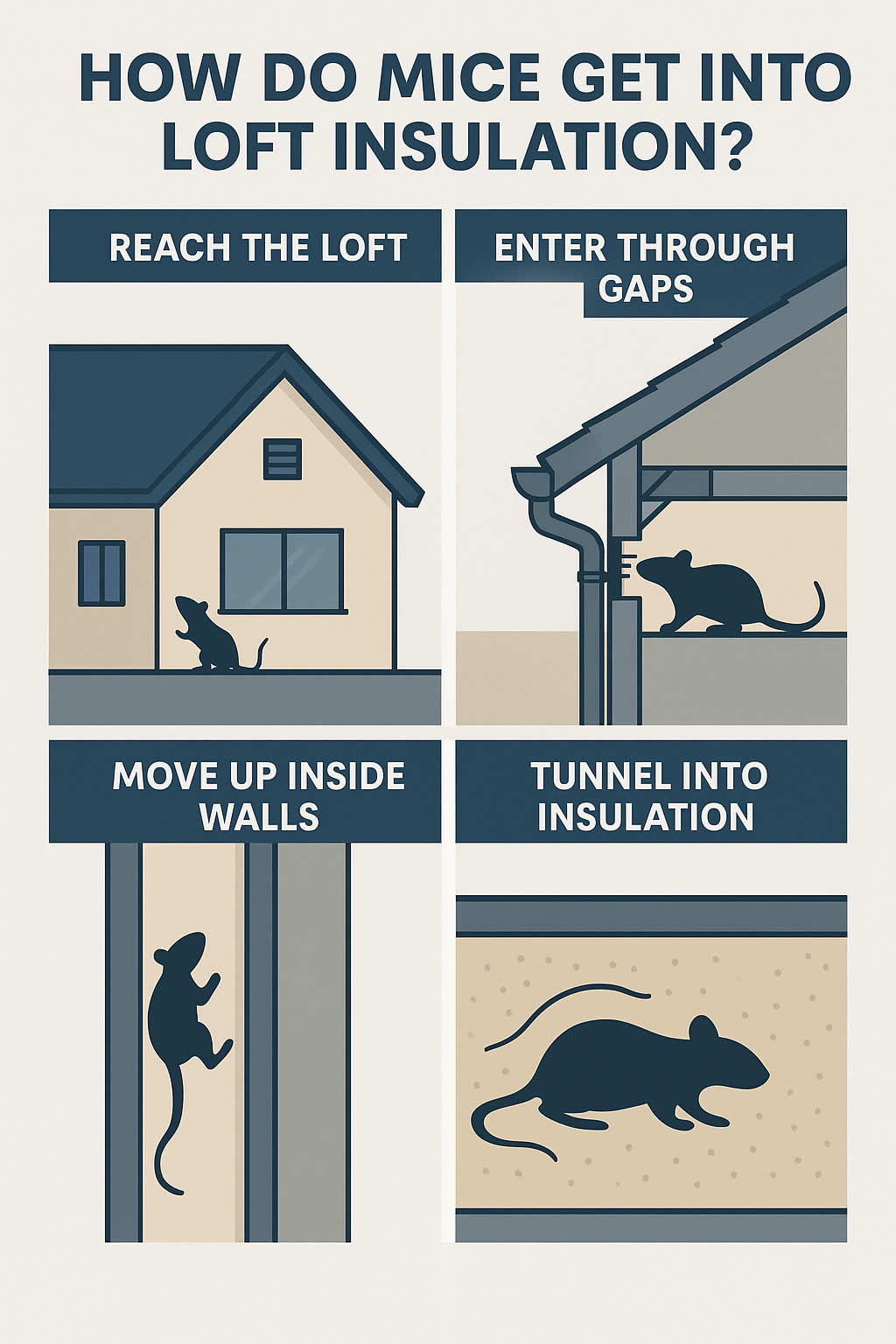
Signs of a more serious problem include fresh droppings every morning, strong ammonia smells, multiple burrows, daytime sightings, gnawed electrical cables, hens becoming unsettled at night, or rats moving from the garden into the house. If loft noises begin too, compare the signs with rats in the loft because roof spaces are safer to inspect professionally than by guesswork.
When DIY is no longer the safest option
DIY steps can reduce activity, but they are not always enough when rats are nesting, breeding or returning from neighbouring land. Get help if activity continues after cleaning and proofing, if you find several burrows, if hens or pets could access traps, or if there is contamination close to children, food preparation areas or vulnerable people.
Professional pest controllers may use inspection, proofing advice, trapping, sealed bait stations, monitoring and follow-up visits depending on the site. Rodenticides should never be scattered loose around a chicken coop. They can harm non-target wildlife, pets and birds if used carelessly. UK guidance on responsible rodenticide use stresses controlled, label-compliant use and environmental protection.
If rats are also indoors, treat the coop as one part of the wider problem. Garden rats can exploit broken air bricks, gaps under doors and damaged drains. Practical steps for removing rats from your home may be needed alongside coop proofing.
FAQ: keeping rats away from chickens
Do chickens attract rats?
Chickens don’t attract rats by themselves. The main attraction is usually feed, spilled grain, eggs, water and warm shelter around the coop.
A clean, well-proofed coop is much less appealing. Rats are opportunists, so they’ll choose the easiest meal first.
If you keep hens, daily feed control matters more than any single deterrent product. Small habits make a big difference.
Will rats hurt my chickens?
Adult hens are not usually the first target, but rats can injure chicks, steal eggs and stress birds at night. They may also contaminate bedding and feed.
The bigger risk is often hygiene. Droppings and urine around feeders should be cleaned promptly using gloves and suitable disinfectant.
If hens seem nervous, stop laying suddenly, or refuse to enter the coop, inspect for night-time activity and hidden access points.
Can I use poison near a chicken coop?
Poison near poultry must be handled with extreme caution. Loose bait should not be used where hens, pets, wild birds or children can reach it.
If bait is needed, a qualified pest controller can decide whether secure bait stations are appropriate and where they should be placed. Follow product labels exactly.
Never assume more poison means faster control. Poor use can create dead rats in inaccessible spaces and increase risks to other animals.
Does chicken wire stop rats?
Chicken wire is designed mainly to contain chickens, not to exclude determined rodents. Rats can gnaw weak areas and squeeze through surprisingly small openings.
For rat proofing, galvanised welded mesh or hardware cloth is usually more suitable. Pay close attention to corners, doors and the lower edge of the run.
Mesh must be fixed firmly. A loose sheet will be lifted, bent or bypassed.
Should I block rat holes straight away?
Don’t block every hole without checking activity. If rats are trapped inside a structure, they may gnaw through another weak point or die in a hidden void.
A safer approach is to remove food, monitor the hole, and proof the coop so rats cannot access hens or feed. Fresh soil, tracks and droppings show whether it is active.
If there are several holes or strong smells, get professional advice before disturbing the area.
Do peppermint oil and ultrasonic devices work?
Strong smells and electronic devices may disturb rats briefly, but they rarely solve a coop problem where food is still available. Hungry rats adapt quickly.
Use deterrents only as a minor support, not the main plan. Proofing, hygiene and feed storage are more reliable.
If a product claims guaranteed rat removal without proofing, be sceptical. The cause still needs fixing.
How often should I check for rat signs?
During an active problem, check daily. Look in the same places each time: feed area, run edges, burrows, shed base and water points.
Once activity stops, weekly checks are sensible. Rats often return when autumn weather turns colder or when natural food becomes scarce.
Keep a simple note of droppings, gnaw marks and burrow changes. Patterns help you spot recurrence early.
What is the quickest way to keep rats away?
The quickest useful step is to remove feed access before dusk and clear spills immediately. That removes the reward that keeps rats coming back.
Next, secure feed in metal bins and block obvious run entry points with strong mesh. Don’t leave bedding bags or sacks stacked beside the coop.
For lasting control, combine cleaning, proofing, monitoring and, where needed, professional treatment. One quick fix rarely holds on its own.