How to Get Rid of Spider Infestation Forever
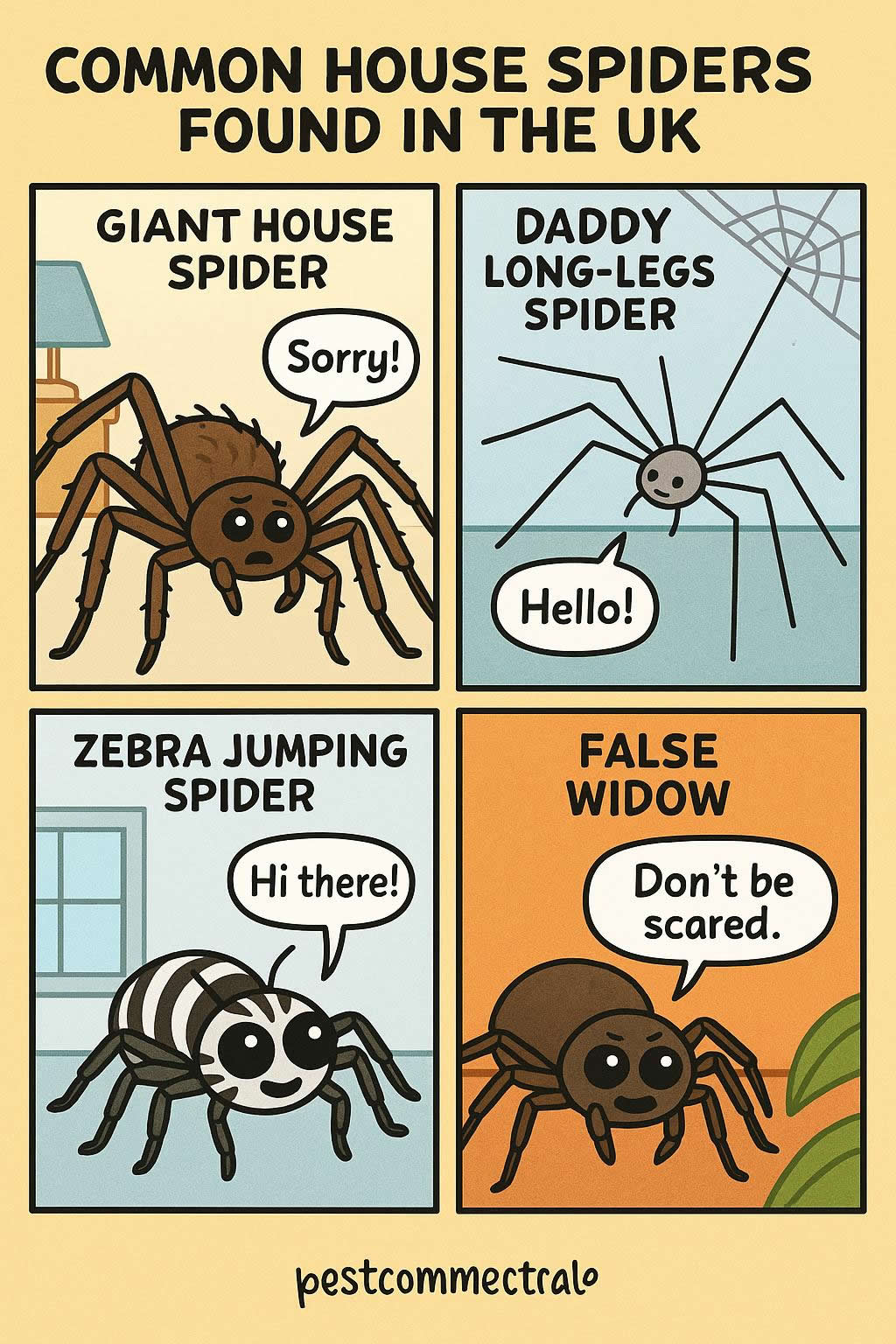
Did you know spiders can lay hundreds of eggs at a time, making a spider infestation in your home particularly challenging to control? As autumn approaches, these eight-legged creatures are most likely to enter our homes in search of warmth for the winter months. While most spiders are harmless, some species like the False Widow can cause painful bites and potential allergic reactions. For 100 years, we have protected properties across the UK from pests, and we’ve seen firsthand what causes a spider infestation and how quickly it can spread. Spiders typically hide in dark, moist areas such as basements and attics, squeezing through the tiniest cracks to make themselves at home. If you’re wondering what to do if you have a spider infestation, there are several natural solutions available. From peppermint and eucalyptus oils to regular vacuuming of sheltered spots, we’ll show you effective methods to reclaim your space. Additionally, we’ll cover the early signs of spider infestation so you can act quickly before hundreds of baby spiders hatch throughout your home. Ready to banish these unwelcome guests for good? Let’s get started! What Causes a Spider Infestation in the House Understanding what causes a spider infestation can help you prevent these eight-legged visitors from making your home their permanent residence. Several factors contribute to spiders invading your living space, from structural vulnerabilities to environmental conditions. Common entry points spiders use Spiders are masters at finding their way indoors through even the tiniest openings. The most frequent entry points include gaps around windows and doors, especially those with damaged screens or worn weatherstripping. Structural cracks in your foundation provide easy access for spiders to enter basements or crawl spaces. Furthermore, spaces around utility pipes, uncapped vents, and chimneys serve as gateways for these arachnids to infiltrate your home. Many homeowners overlook gaps in siding and poorly sealed exterior openings, which create perfect pathways for spiders. Interestingly, you might unknowingly bring spiders inside through second-hand furniture that contains hidden egg sacs. One furniture piece could potentially increase your home’s spider population by several hundred when these eggs hatch. Why spiders are drawn to indoor spaces Spiders primarily enter homes in search of three essentials: food, shelter, and breeding opportunities. Houses with abundant insect populations are particularly attractive since these serve as the spider’s main food source. Cluttered areas provide numerous hiding spots for these privacy-loving creatures, who prefer dark, narrow spaces with minimal human activity. Though not all species seek moisture, many spiders are attracted to humidity levels found in bathrooms and basements. This attraction often stems from the increased presence of prey insects in these environments rather than the moisture itself. Your home also offers protection from predators like birds and toads, making it an ideal location for spiders to care for their young without interruption. Seasonal factors that increase spider activity Temperature fluctuations throughout the year significantly impact spider behavior and movement patterns. During fall, many species migrate indoors seeking warmth as outdoor temperatures drop. This coincides with spider mating season, when males become notably more active in their search for partners. Consequently, you’ll likely notice increased spider activity indoors during autumn months. Spring brings its own surge in spider sightings as eggs laid during previous seasons begin to hatch and spiders emerge from winter dormancy. The warmer weather also increases insect activity, providing more food sources that attract hungry spiders. To effectively prevent spider infestations, it’s essential to understand these seasonal patterns and address the conditions that make your home appealing to these persistent arachnids. 7 Natural Ways to Get Rid of Spider Infestation Natural solutions offer effective alternatives to harsh chemicals when dealing with spider infestations. These methods not only eliminate existing spiders but help prevent future invasions as well. 1. Use peppermint or eucalyptus oil sprays Spiders “taste” with their legs and despise strong scents like peppermint and eucalyptus. Create a powerful repellent by mixing 15-20 drops of essential oil with water in a spray bottle. For maximum effectiveness, apply this mixture weekly around entry points, windowsills, and corners. Research indicates that peppermint oil repels certain spider species in more than 75% of test cases. You can refresh the scent by placing cotton balls soaked in the solution in problem areas or growing peppermint plants near windows. 2. Apply white vinegar in corners and cracks White vinegar’s acetic acid creates an inhospitable environment for spiders. Combine equal parts water and white vinegar in a spray bottle, then apply directly to webs, corners, and crevices. For persistent problems, place small dishes of diluted vinegar in dark areas where spiders commonly hide. Undiluted vinegar works more effectively, acting like acid to their exoskeletons when they make contact with it. 3. Sprinkle diatomaceous earth in hidden areas Food-grade diatomaceous earth (DE) effectively eliminates spiders through dehydration. This fine powder cuts their exoskeletons with microscopic sharp edges. Apply a thin layer around entry points, baseboards, and storage areas. DE remains effective as long as it stays dry and undisturbed, making it ideal for long-term prevention. 4. Place chestnuts or citrus peels near windows Horse chestnuts contain compounds that naturally repel spiders. Place 4-5 chestnuts in each room, focusing on windowsills and doorways. Alternatively, rub citrus peels on floorboards and windowsills, as the oils they contain create an effective barrier. Both methods are completely non-toxic and safe for households with children and pets. 5. Keep your home clutter-free and vacuum regularly Clutter provides perfect hiding spots for spiders and their prey. Regular cleaning disrupts their habitat and removes egg sacs before they hatch. Focus on corners, under furniture, and storage areas where webs commonly form. Vacuum baseboards and ceiling corners weekly to eliminate both spiders and their food sources. 6. Seal cracks and repair window screens Prevent entry by sealing gaps around windows, doors, and utility penetrations with caulk or weatherstripping. Repair torn window screens promptly—even small tears provide enough space for spiders to enter. Create a two-foot gravel barrier around your foundation to eliminate plant “bridges” that spiders
How to Get Rid of Spider Infestation Forever Read More »